





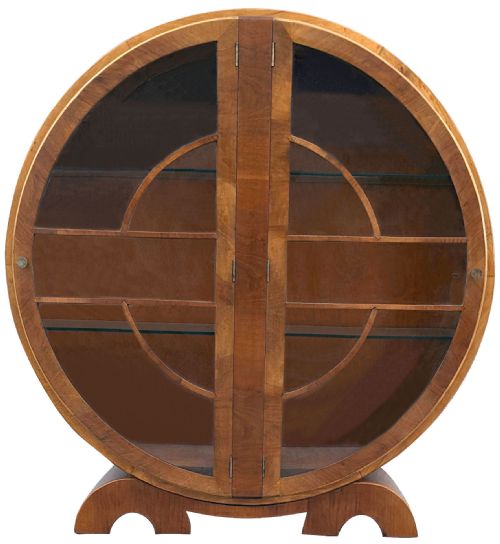


Circular Glazed Vitrine
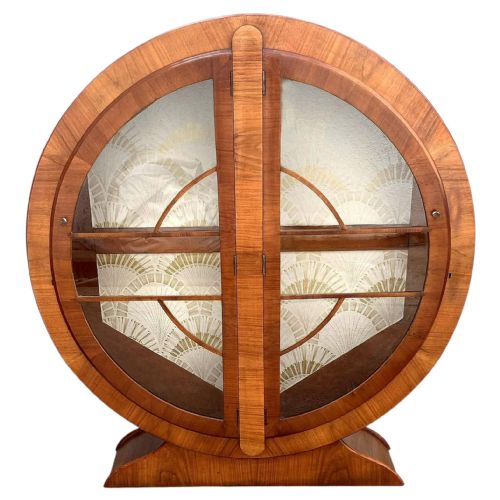
A circular glazed vitrine turns an interior collection into a distinct focal point through curved glass and rich timber framing.
Circular Glazed Vitrine
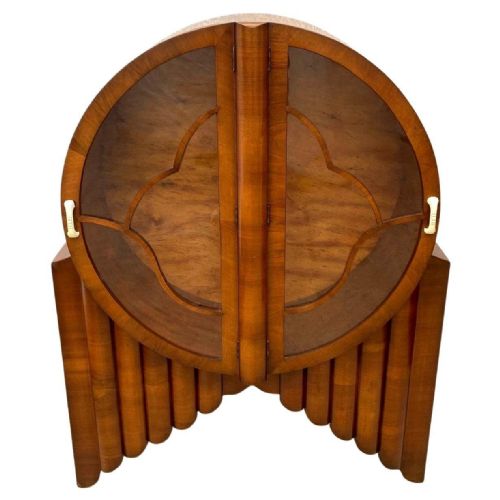
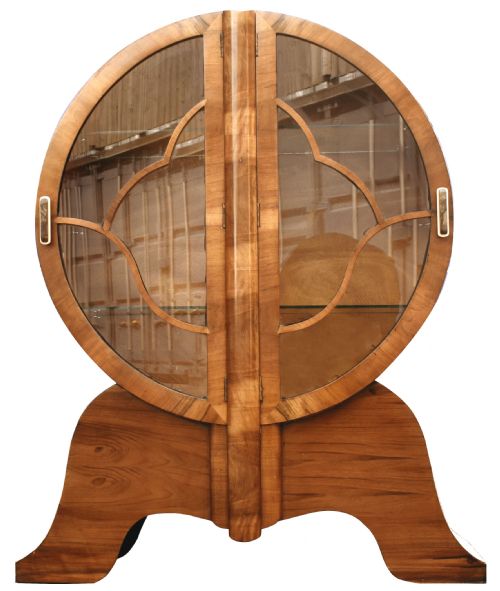
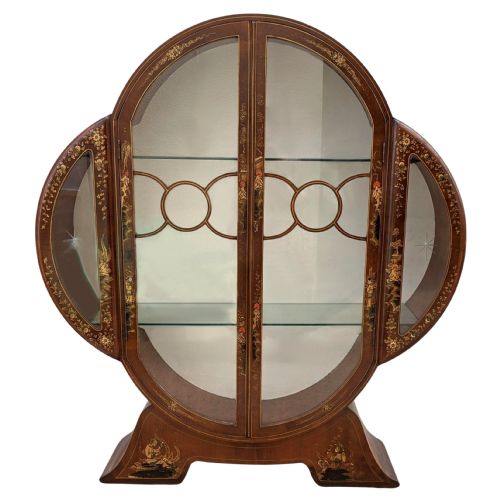
A circular glazed vitrine is a specialised display cabinet designed to show off precious objects from every angle through curved glass panels. When you search for a circular glazed vitrine, you encounter pieces that span the Victorian, Edwardian, and Art Deco periods, each bringing distinct architectural lines to a room.
The most common examples on this page date from the Art Deco era and are constructed from walnut, often featuring circular or rocket-shaped profiles. These cabinets balance practical storage with high visual impact, lifting small ornaments and curiosities above ordinary shelf level.
Alongside tall freestanding cabinets, the selection includes low bijouterie tables and demi-lune glazed cabinets that serve similar display functions. Origins range from English workshops to French makers, utilising timber forms that suit both formal drawing rooms and modern apartments.
What varies in quality
The distinction between standard and superior pieces rests on timber selection and the precision of the curved glazing. Figured walnut and kingwood veneers demonstrate a higher grade of cabinet making than simpler oak or plain mahogany structures.
Joinery execution and the integration of cast brass hardware also separate mass production from finer craftsmanship. Cabinets with smooth door action and well-fitted internal velvet linings reflect greater attention during initial construction.
Circular Glazed Vitrine Retail Price Guide 2026
Typical asking prices for circular glazed vitrine among the pieces listed under this phrase on Sellingantiques today, from the lower quarter to the upper quarter. They describe what is for sale here now, not the wider market.
Listings span four distinct periods: Victorian, Edwardian, nineteen hundred, and nineteen thirty, with Art Deco walnut dominating the current selection.
The Circular Glazed Vitrine Glossary
- Bijouterie table
- A glass-topped table designed specifically for displaying jewellery, medals, and small curiosities beneath the surface. These pieces often stand on slender legs in Edwardian or Victorian rooms.
- Kingwood
- A dense, heavily figured timber from the Brazilian rosewood family prized for fine veneer work. It appears on French nineteenth-century pieces.
- Demi-lune
- A half-moon shape used for cabinets designed to sit flush against a wall while projecting a curved front into the room. This form softens the corners of a traditional interior.
Circular Glazed Vitrine: Frequently Asked Questions
What is a circular glazed vitrine?
A circular glazed vitrine is a curved display cabinet built with glass panels to showcase small collections, ornaments, or books.
These pieces use their rounded form to fit into corners or anchor open wall spaces while keeping contents visible from multiple angles.
How do I style a vitrine at home?
Place your vitrine where natural light can pass through the glass panes to illuminate the objects stored inside.
Keep the interior display uncluttered so that the timber frame and curved glass remain the primary focus of the room.
What periods do these cabinets come from?
The selections span the Victorian, Edwardian, and Art Deco periods, with many examples originating around nineteen thirty.
Art Deco versions tend to feature bold walnut grains and rocket shapes, whereas Victorian and Edwardian pieces lean towards mahogany and kingwood.
Where were these cabinets placed originally?
These cabinets belonged in formal drawing rooms, libraries, and parlours where hosts displayed their most prized curiosities to guests.
Low bijouterie versions served as both tables and display cases in sitting rooms for smaller personal items.