

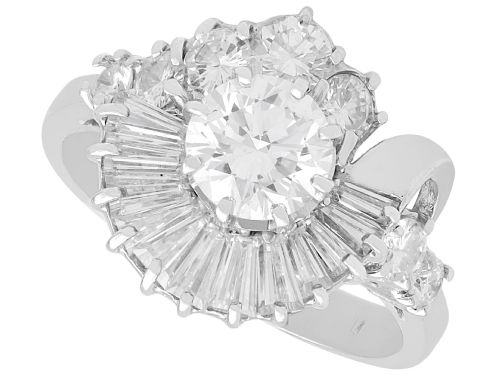
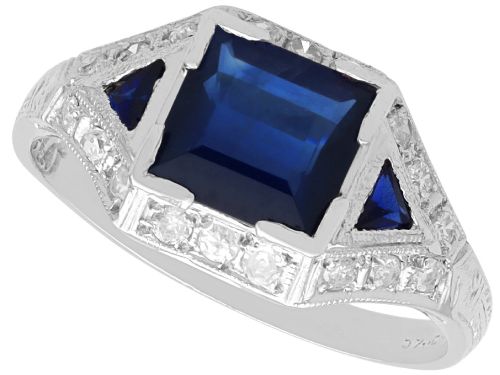
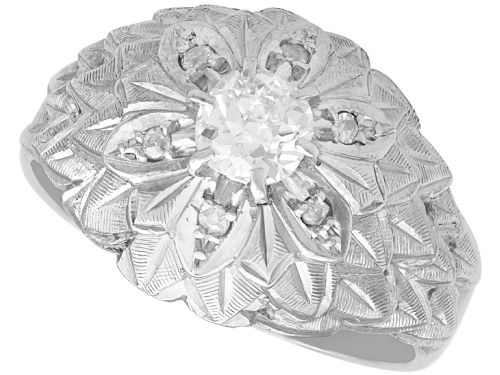
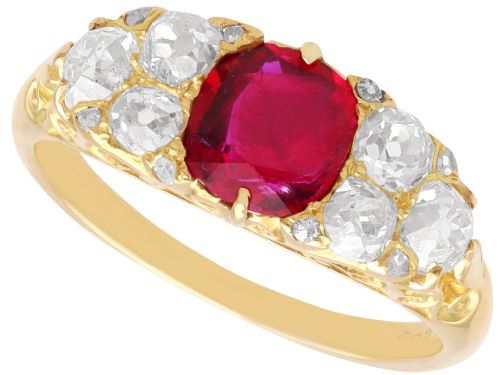
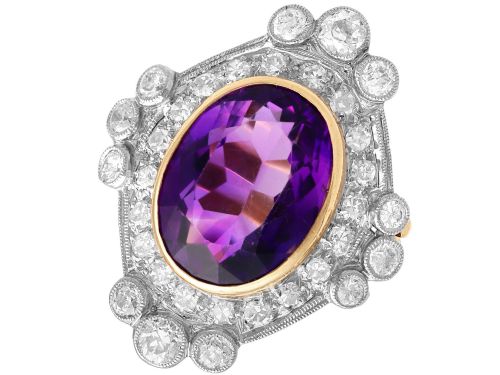
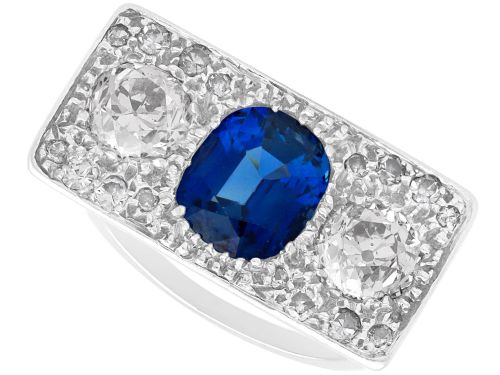
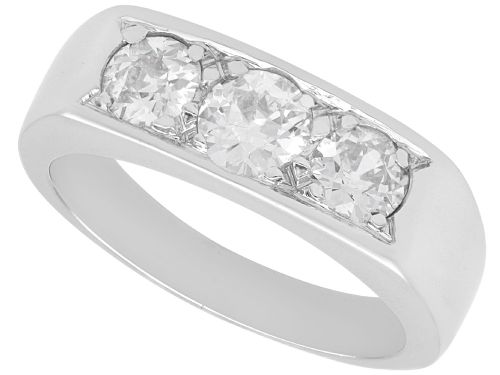
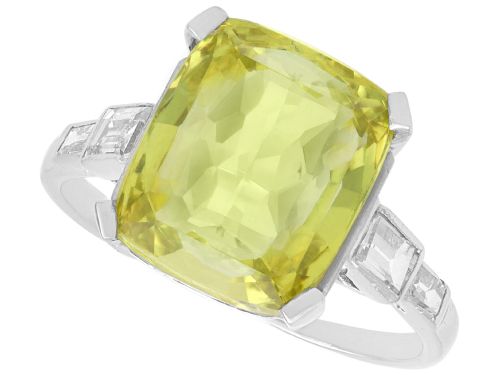
Circa 1930s Ring
A circa 1930s ring brings geometric elegance and bright old cut stones to the hand, offering a tangible link to the Art Deco era.
Circa 1930s Ring
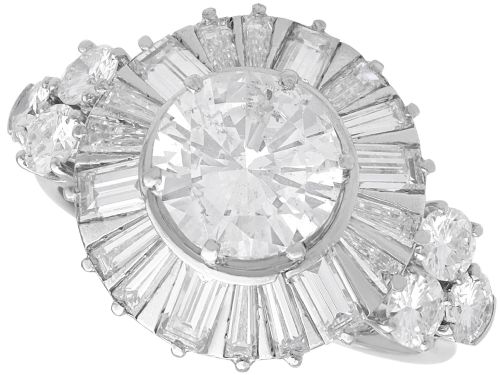
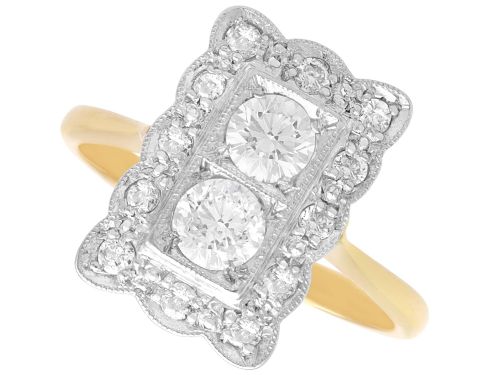
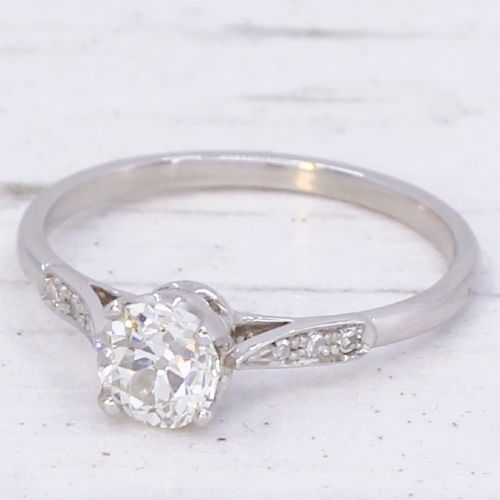
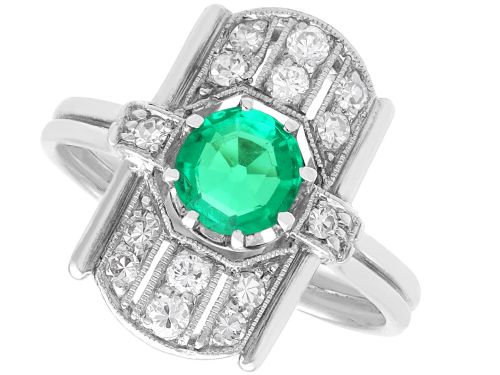
A circa 1930s ring typically manifests as an engagement ring, dress ring, cocktail ring, or cluster ring from the Art Deco period. These pieces showcase distinct geometric forms, clean lines, and careful stone arrangements that define the design ethos of the interwar decades.
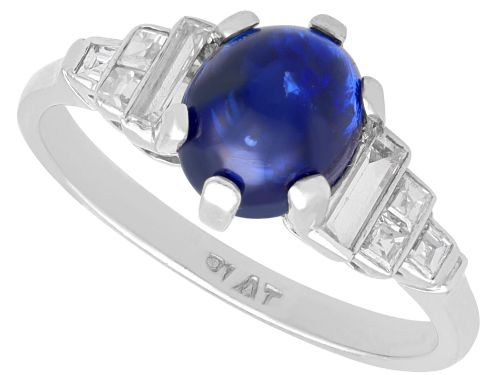
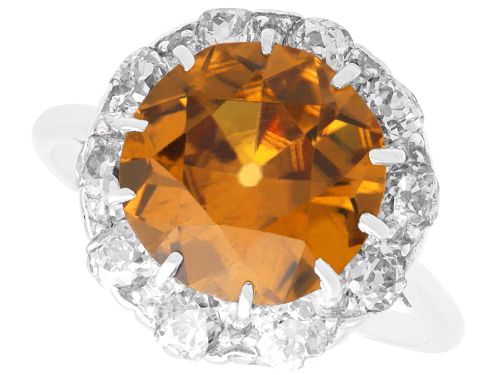
The versions most commonly met on this page combine central diamonds or coloured gemstones such as sapphires, emeralds, rubies, and zircons with structured metal mountings. Jewelters of the era favoured symmetrical settings and intricate gallery work to maximise the play of light through the stones.
Materials and construction methods
Metals such as platinum, 18ct white gold, 18ct yellow gold, and occasionally palladium provide the foundational structure for these rings. Platinum gained particular favour during this period for its strength, allowing jewellers to create delicate millegrain edges and secure channel or bezel settings without excess bulk.
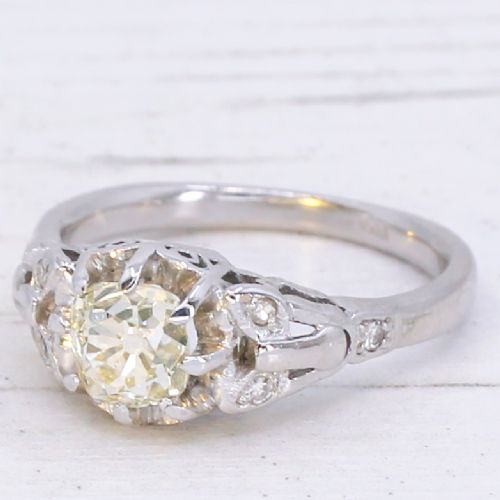
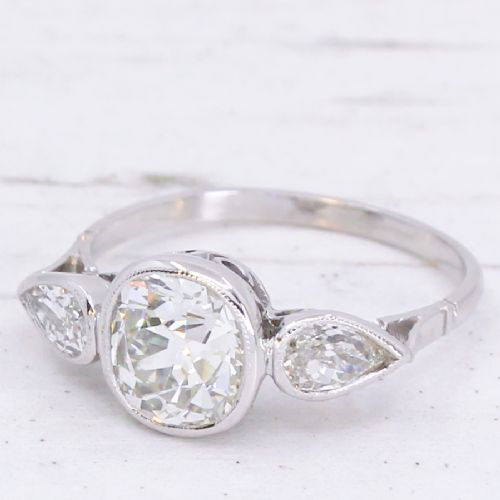
Gemstones shaped as old European cuts, old cushion cuts, and old pear cuts sit at the heart of these mountings, often accompanied by calibre-cut accent stones. Hand-fabrication techniques ensure that each metal claw and geometric facet aligns precisely with the contours of the primary stones.
Circa 1930s Ring Retail Price Guide 2026
Typical asking prices for circa 1930s ring among the pieces listed under this phrase on Sellingantiques today, from the lower quarter to the upper quarter. They describe what is for sale here now, not the wider market.
Some fingers wore over eight carats of chrysoberyl while others kept it modest with a solitary diamond.
Distinctions in quality and execution
The standard of a circa 1930s ring depends heavily on the precision of its metalwork and the integrity of its stone settings. Finer examples display crisp millegrain decoration, even claw symmetry, and balanced proportions between the central gems and their surrounding frame.
Stone selection and origin also shape the standing of a piece, with unheated rubies and sapphires or high-clarity old cut diamonds elevating the overall work. The harmony between the gem weight and the structural framework dictates the distinction between standard production and master craftsmanship.
The Circa 1930s Ring Glossary
- Art Deco
- A design style spanning the 1920s and 1930s characterised by geometric shapes, stylised motifs, and sleek lines. It heavily influenced jewellery design through symmetrical patterns and stark contrasts.
- Millegrain
- A decorative technique involving a row of tiny metal beads along the edges of a setting. This adds a soft texture and frames the primary stones.
- Old European cut
- A vintage diamond cut featuring a small table, high crown, and large culet. This cut predates modern brilliant facets and produces a distinct, warmer scintillation.
- Toi et Moi
- A ring style featuring two main stones positioned side by side, symbolising two souls meeting. French for you and me.
- Cluster ring
- A jewellery configuration where a central stone is surrounded by a tight arrangement of smaller gems. This layout amplifies overall visual presence.
Circa 1930s Ring: Frequently Asked Questions
How do I identify an Art Deco ring?
An Art Deco ring typically reveals itself through geometric motifs, straight lines, and symmetrical stone arrangements. Platinum and white gold mountings with millegrain detailing are common indicators of this period.
Examining the stone cuts also helps, as old European and old cushion cuts dominate rings from the 1930s rather than modern brilliant cuts.
What metals were used in 1930s rings?
Jewellers during the 1930s predominantly utilised platinum alongside 18ct white gold and yellow gold. Platinum was prized for its durability in delicate settings.
Yellow gold also appeared frequently, often providing a warm contrast to white metal settings and diamond pavé work.
Are these rings suitable for daily wear?
Many circa 1930s rings suit daily wear, provided the settings and metal claws remain secure and receive regular inspection by a jeweller. Platinum and gold mountings from this era are robust when maintained properly.
Softer stones like moonstones or high-relief cocktail designs require more mindful wear to prevent impact damage during routine tasks.
What is an old cut diamond?
An old cut diamond refers to stones shaped by hand before modern cutting machinery standardised facet proportions. These diamonds feature smaller tables and deeper pavilions.
They produce a softer, broader pattern of light return compared to contemporary brilliant cut stones, contributing to their distinct vintage character.