




Church Altar Candles
Church altar candles bring architectural presence to a room, offering tall proportions and rich metal or carved wooden finishes.
Church Altar Candles
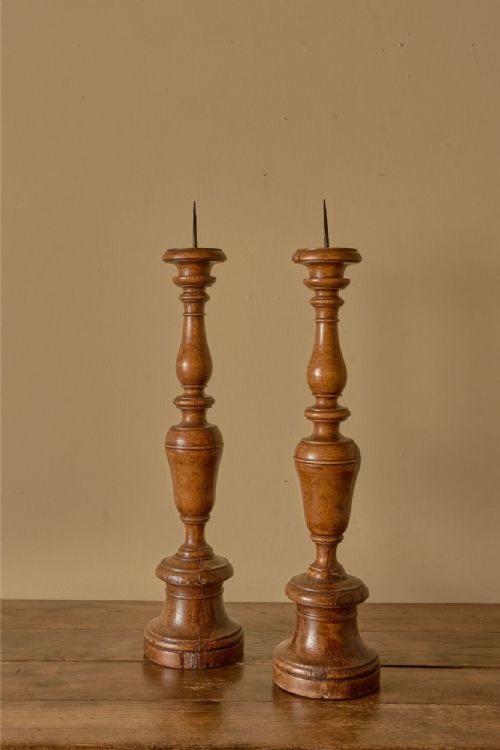
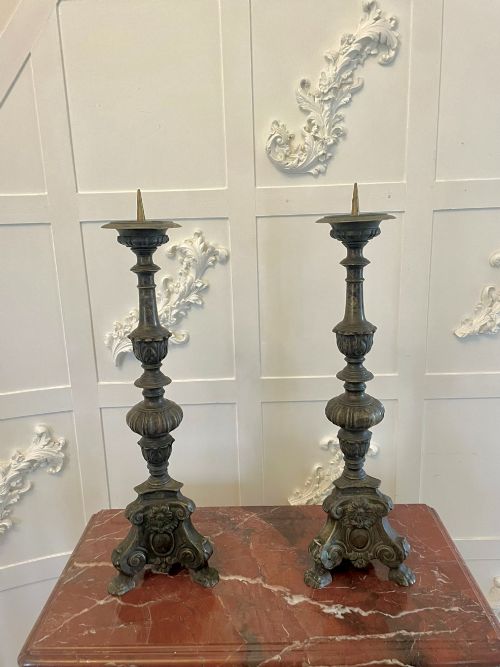
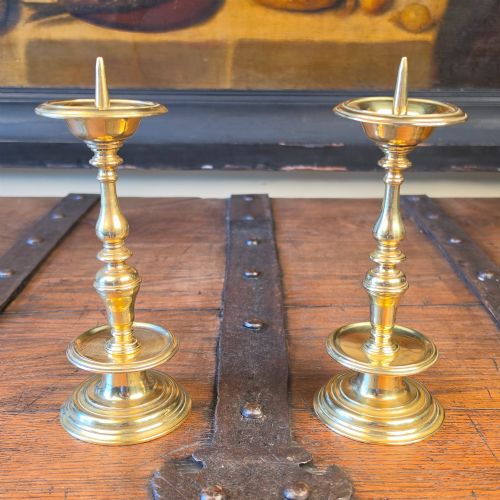
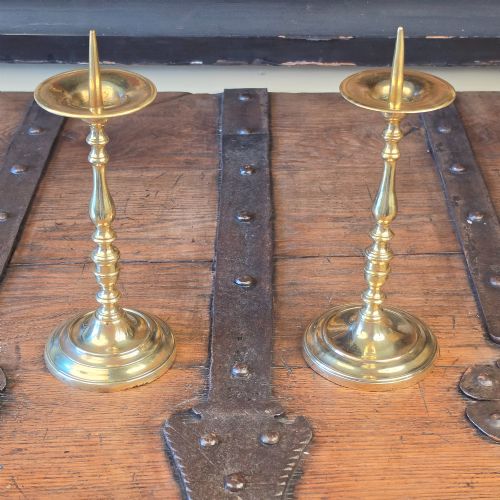
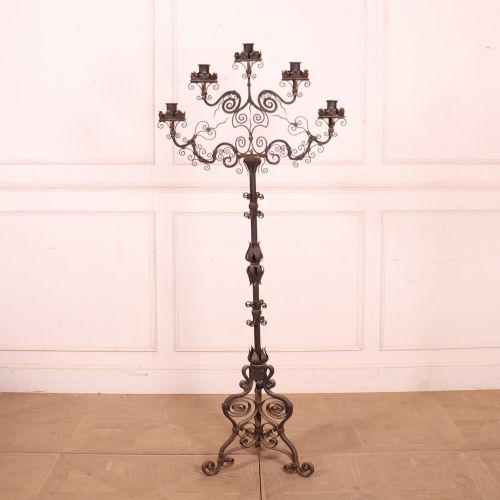
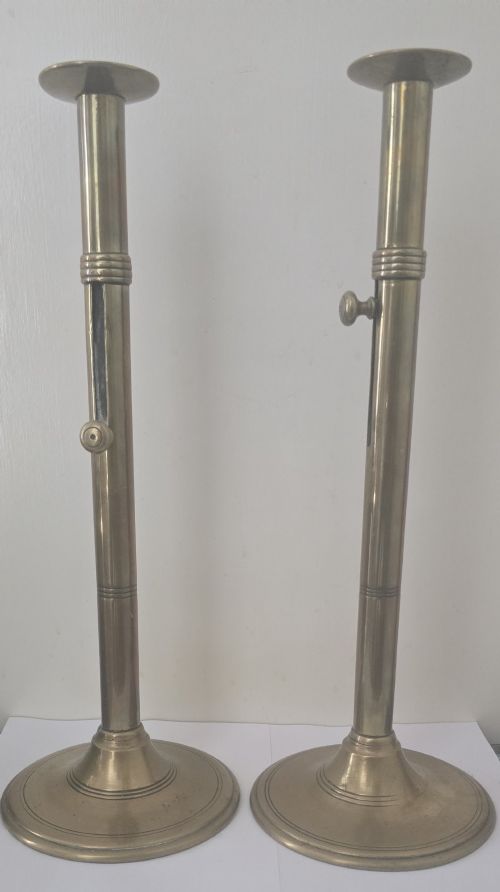
Church altar candles typically take the form of tall candlesticks, prickets, and torcheres originating from the eighteenth, nineteenth, and early twentieth centuries. These pieces were built for liturgical spaces, resulting in imposing heights and robust structural designs that anchor a room.
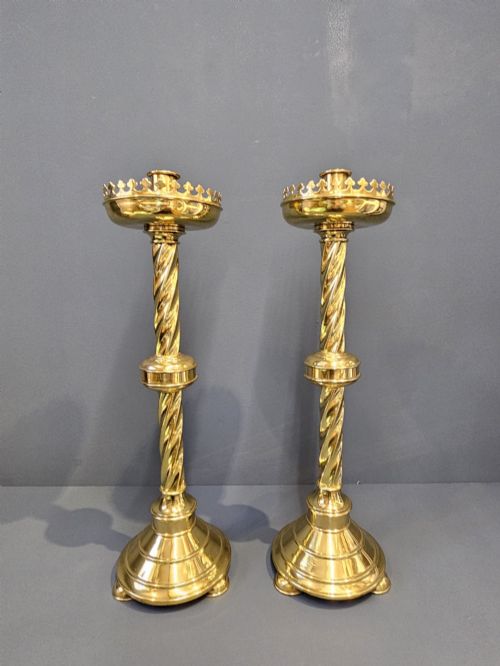
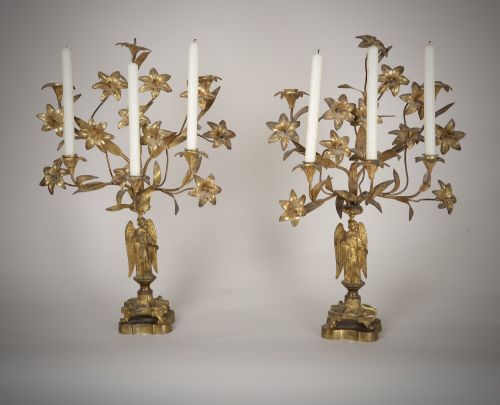
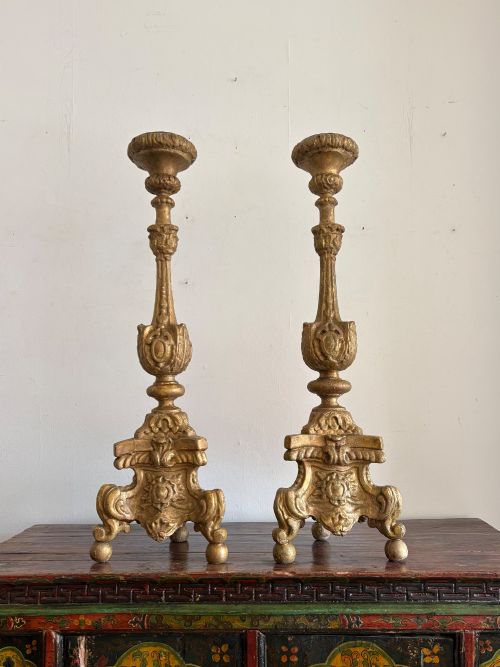
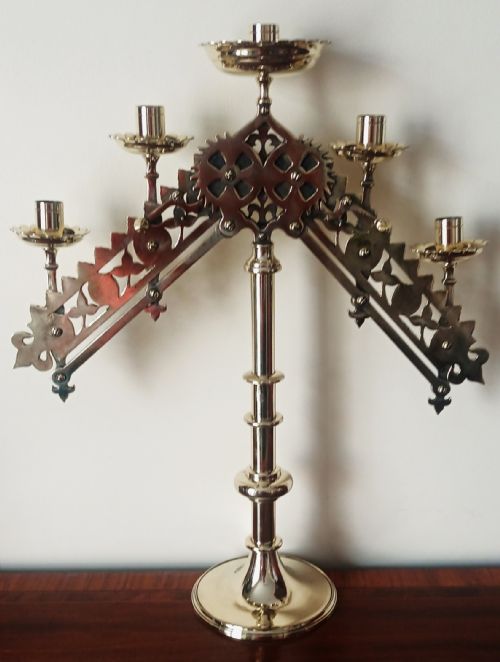
Brass examples dominate the selection, often bearing Victorian Gothic Revival or ecclesiastical styling with heavy bases and column shafts. Wooden and giltwood variants also appear, originating from Italian, French, and English workshops across various periods.
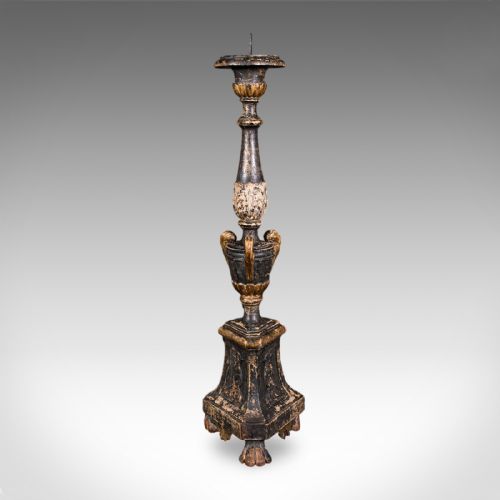
Buyers encounter matched pairs, graduated sets, and floor-standing pieces designed to support large wax tapers. Their traditional pricket spikes or socket holders reflect their original function on church altars.
Materials and construction methods
Cast and turned brass forms the backbone of these pieces, providing the structural integrity needed for tall ecclesiastical lighting. Workshops utilised heavy gauge metals, sometimes combining brass with iron or copper, as seen in Amsterdam School designs.
Wooden alternatives rely on carved pine, gesso, and giltwood, frequently finished with silver leaf or polychrome paint. Artisans shaped these organic materials into elaborate columns, corinthian capitals, and decorative bases.
Church Altar Candles Retail Price Guide 2026
Typical asking prices for church altar candles among the pieces listed under this phrase on Sellingantiques today, from the lower quarter to the upper quarter. They describe what is for sale here now, not the wider market.
Materials span solid brass, cast bronze, wrought iron, carved wood, gesso, and giltwood across the eighteenth, nineteenth, and early twentieth centuries.
Distinctions in craftsmanship
The distinction between standard ecclesiastical items and superior examples lies in the weight of the metal casting and the crispness of the turned details. Heavier gauge brass and deeply carved wooden surfaces indicate higher standards of production.
Proportion and decorative restraint separate well-designed pieces from simpler utility objects. Items with balanced columns, intact gilding or original patination hold greater visual strength in a domestic interior.
The Church Altar Candles Glossary
- Pricket
- A sharp metal spike on top of a candlestick designed to secure a large candle. This traditional method preceded standard candle sockets.
- Torchere
- A tall ornamental stand or candlestick designed to hold a light source. These floor-standing pieces often feature carved wooden shafts.
- Giltwood
- Wood that has been covered with a thin layer of gold leaf or gesso and gold paint. It provides a reflective surface on antique altar furnishings.
- Ecclesiastical
- Relating to the Christian Church or its clergy. This term describes items specifically manufactured for religious services and church interiors.
- Gothic Revival
- An architectural and decorative style popular in the nineteenth century. It draws inspiration from medieval design, featuring pointed arches and vertical emphasis.
Church Altar Candles: Frequently Asked Questions
How do I style church altar candles at home?
Place tall candlesticks on side tables, mantels, or directly on the floor depending on their height. Their vertical lines draw the eye upward and suit both traditional and modern rooms.
Pair them with complementary antique metalwork or use them to create a focal point in an empty corner without needing active candles.
Can I convert these candlesticks into lamps?
Some pieces arrive adapted as table lamps while others retain their original candle or pricket tops. Conversion involves running a wire through the centre without altering the exterior brass or wood structure.
Consider whether you prefer the pure historical form or the practical lighting capability of an electrified conversion.
How do I identify a Victorian Gothic piece?
Victorian Gothic items typically feature heavy brass construction, geometric bases, and architectural motifs inspired by medieval churches. Look for quatrefoils, barley twist shafts, and stiff-leaf ornamentation.
These characteristics reflect the nineteenth-century revival of ecclesiastical arts across English and European workshops.