


Chippendale Wine Stand
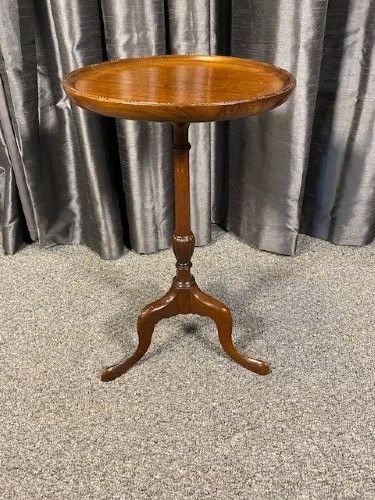
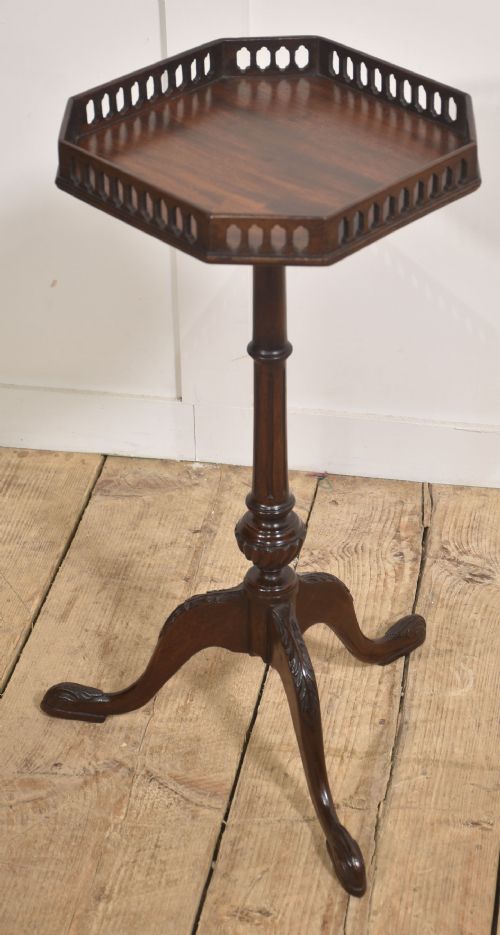
A chippendale wine stand brings compact elegance to a corner, offering a sturdy tripod base and a useful circular or octagonal top.
Chippendale Wine Stand
When you search for a chippendale wine stand, you encounter small occasional tables designed for holding glasses, bottles, or lamps in eighteenth-century drawing rooms. The pieces appearing most frequently range from genuine George III examples to later revival pieces from the Victorian and Edwardian eras.
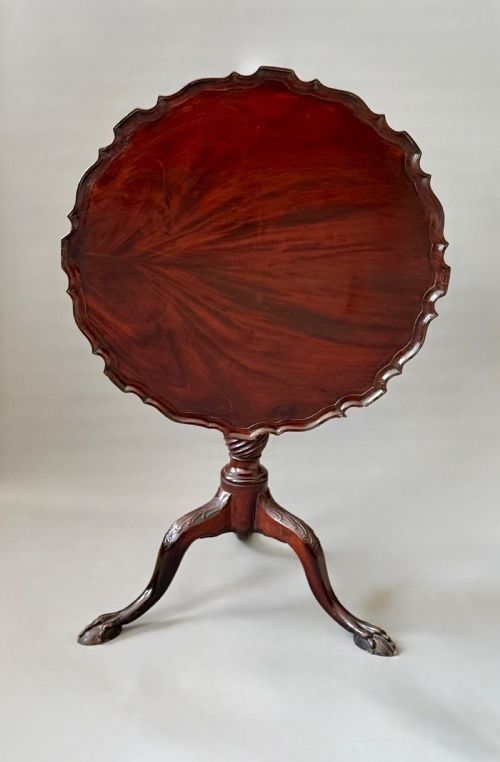
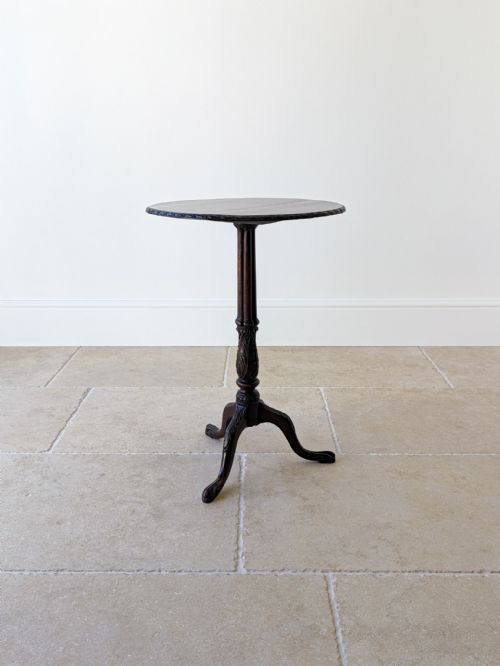
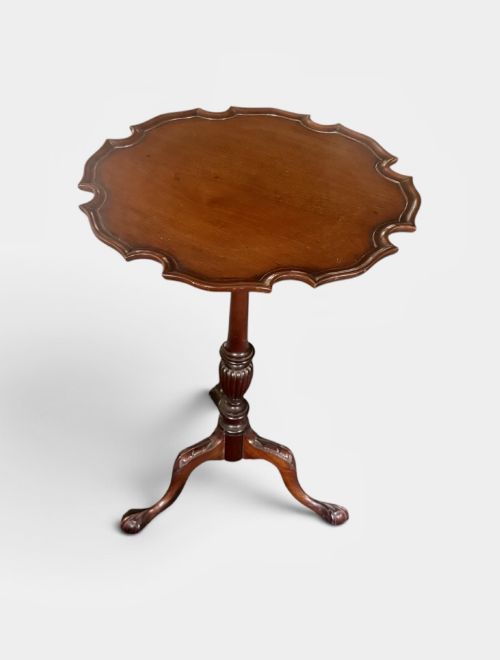
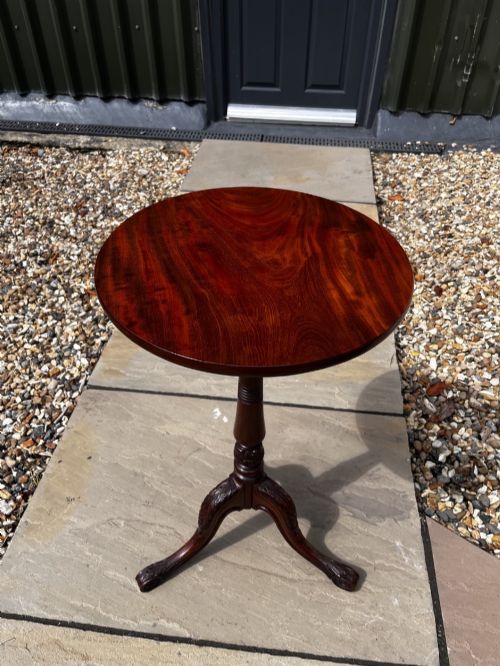
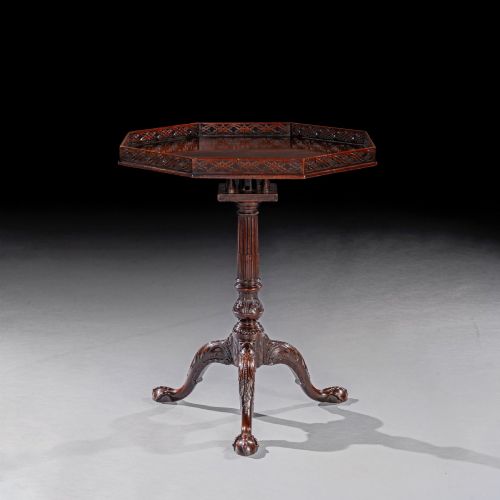
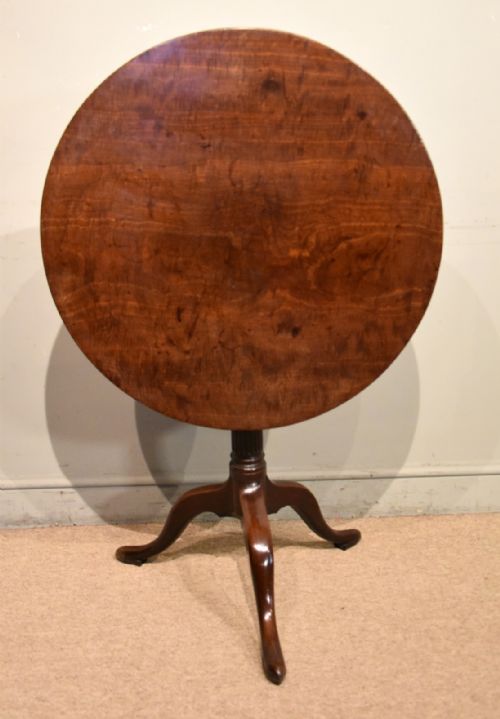
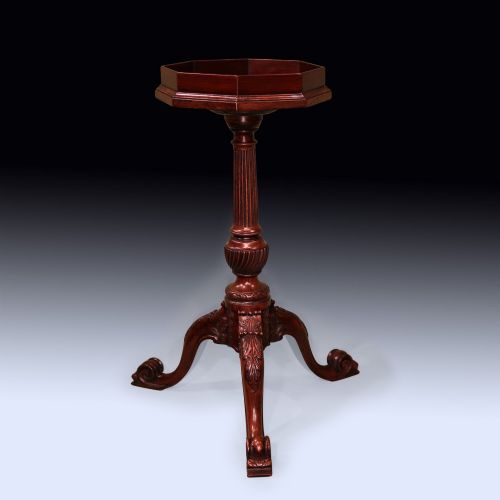
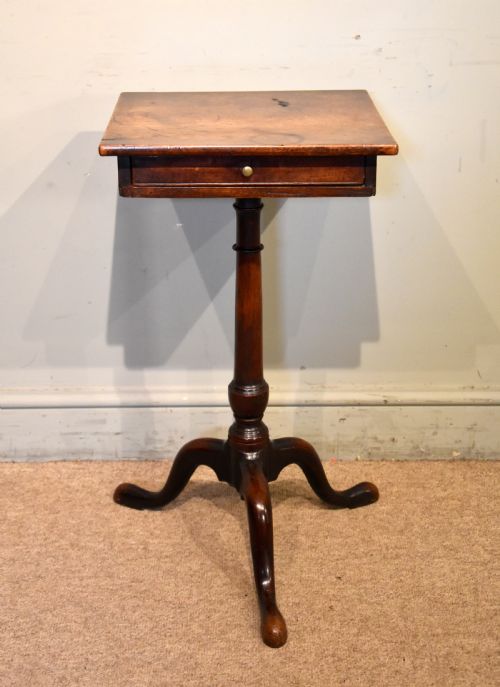
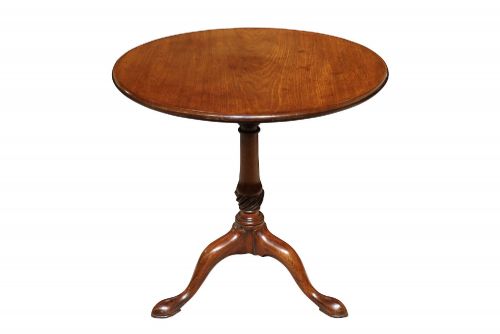
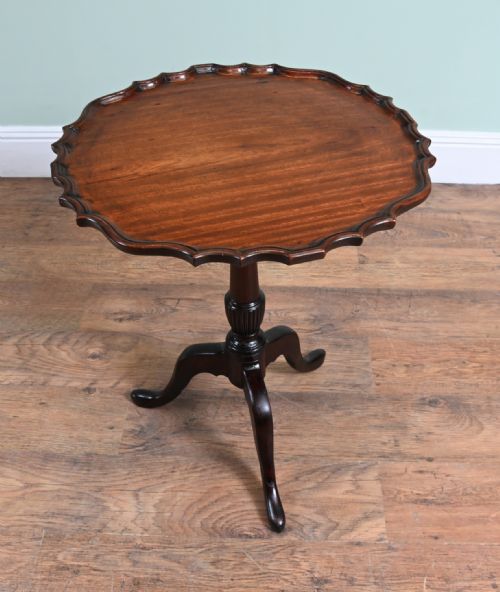
Forms typically involve a central pillar supported by three cabriole legs terminating in pad or claw and foot designs. Many incorporate circular or octagonal tops, occasionally featuring carved pie-crust edges or serpentine galleries.
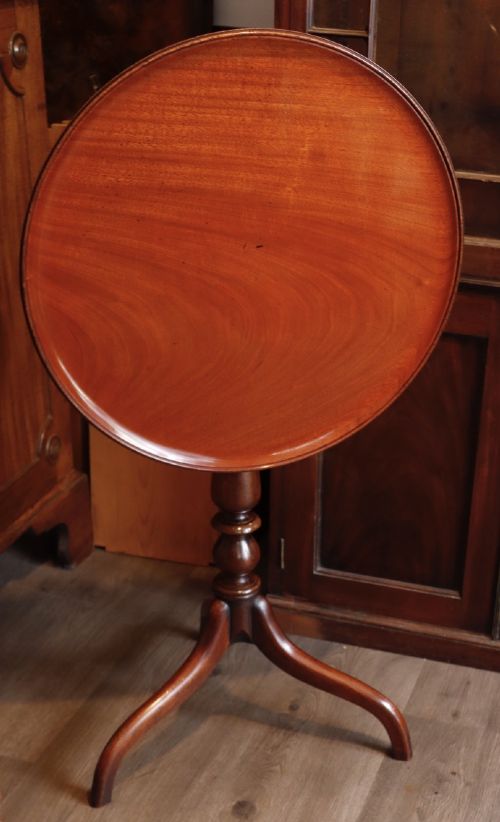
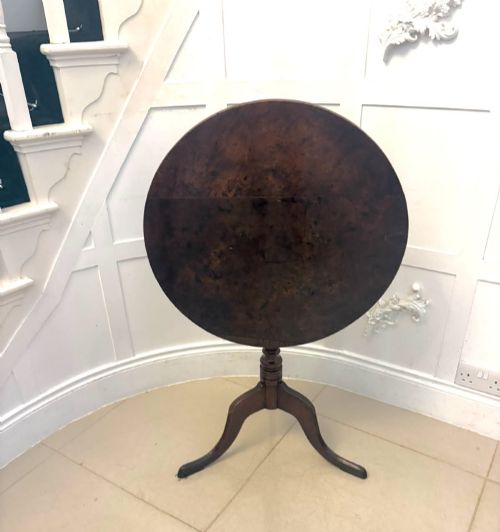
Certain variants include tilt-top mechanisms or birdcage actions allowing the surface to fold vertically when not in use. Alongside traditional wine tables, related forms such as kettlestands and wine coolers on stands appear within the selection.
Materials and Construction
The primary timber across the inventory is mahogany, often selected for its grain and density, alongside occasional examples in burr oak and figured walnut. Cabinetmakers utilised solid planks for single-piece table tops and turned timber for the central baluster columns.
Carving appears on knees, pillar stems, and raised rims, executed by hand with gouges and chisels on period pieces. Joinery commonly employs turning, mortise and tenon joints, and metal mechanisms for tilt-top birdcage functions.
Some tables feature clever birdcage frames, letting your furniture pivot like an owl while holding your evening glass.
Evaluating Quality
Distinction between ordinary and superior pieces rests upon the crispness of the hand carving and the proportion of the tripod base. Fine examples display deeply sculpted pie-crust rims and slender, elegant legs that integrate harmoniously with the central column.
The presence of an original surface finish, such as a rich, aged patina on eighteenth-century mahogany, elevates a piece significantly compared to later or heavily stripped alternatives. Structural integrity in the tilt mechanism and the snug fit of the birdcage action also indicate superior craftsmanship.
The Chippendale Wine Stand Glossary
- Pie-crust rim
- A raised edge carved into a serpentine or scalloped profile resembling pastry work. This decorative border is typically shaped from solid timber rather than applied separately.
- Birdcage
- A timber framework beneath the table top that permits the surface to both rotate and tilt. This mechanism utilises small wooden spindles housed between two circular plates.
- Tilt-top
- A hinged table top that folds flat against the central pillar for convenient storage. It relies on a brass or wooden catch to secure the surface horizontally.
- Tripod table
- A small freestanding table supported by three legs radiating from a central pillar. This configuration ensures stability on uneven floors.
- Kettlestand
- A small elevated stand designed to hold a hot water kettle for tea service. They share similar proportions and tripod forms with wine tables.
Chippendale Wine Stand: Frequently Asked Questions
What is a chippendale wine stand used for?
These compact stands served historically to hold wine bottles, glasses, or portable lighting near seating areas in polite drawing rooms.
Today, they function well as lamp tables, plant stands, or decorative accents in sitting rooms and hallways.
How do I tell an 18th century table from a revival piece?
Eighteenth-century examples display natural timber wear, hand-cut joinery marks, and aged patination accumulated over generations of use.
Revival pieces from the Victorian or Edwardian periods often show more uniform machine-assisted turning and newer internal secondary woods.
What does birdcage action mean?
A birdcage action is a clever assembly of small wooden components situated directly beneath the table top.
It allows the surface to swivel in a full circle and tilt vertically, making the table easy to tuck against a wall when not in use.