
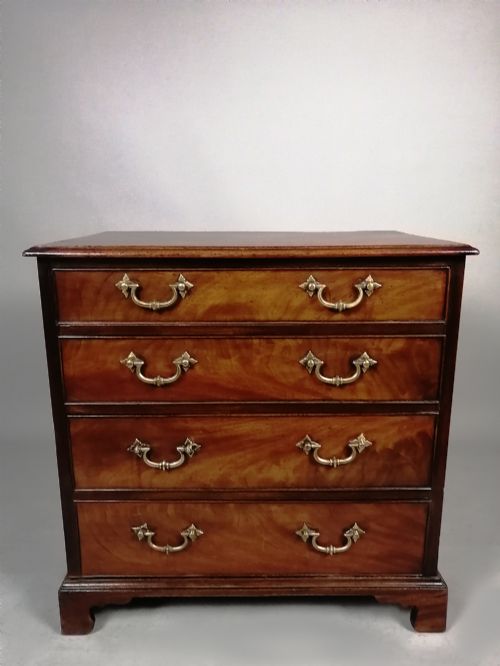
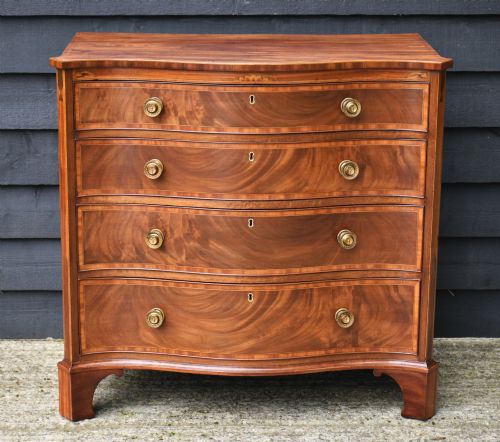
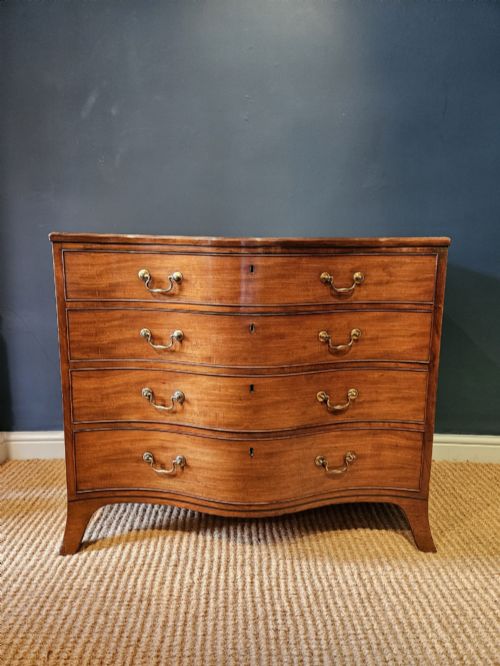
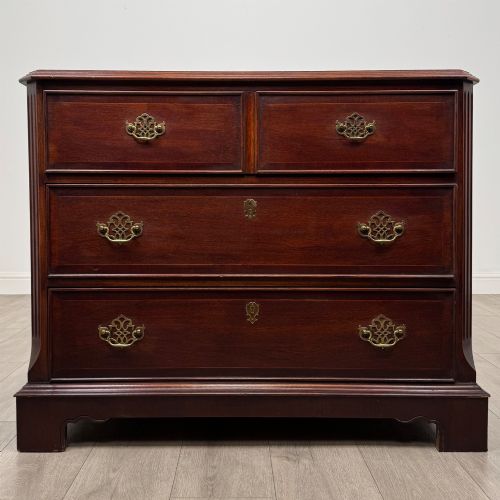
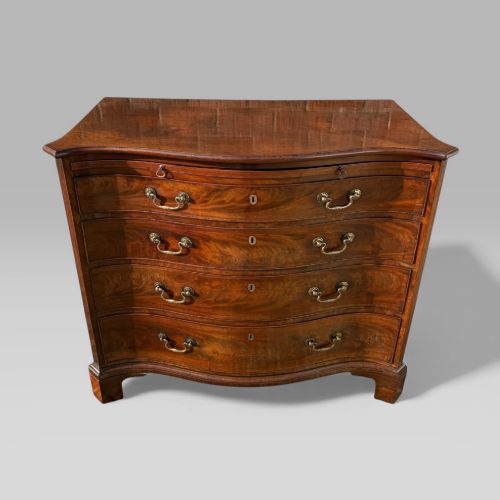

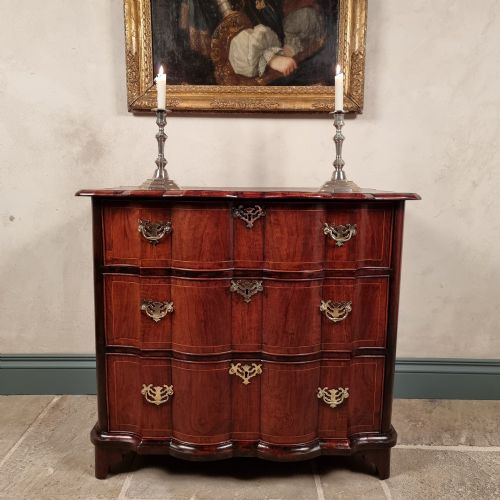
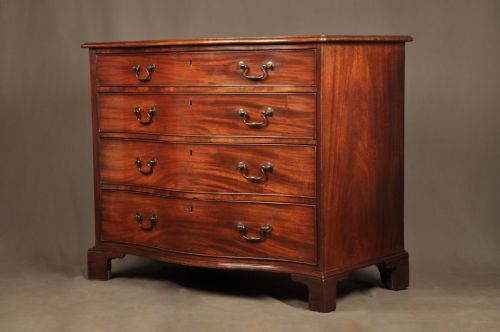

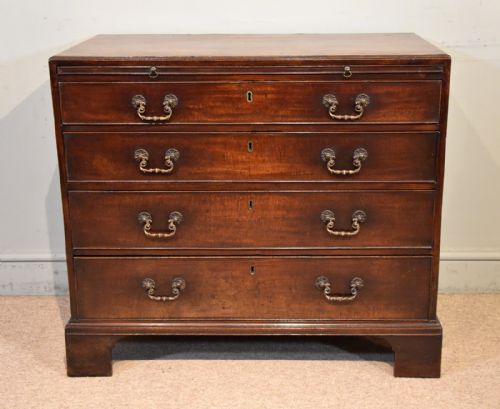


Chippendale Mahogany Dresser
These chippendale mahogany dresser pieces offer robust timber construction and fine period detailing for practical storage.
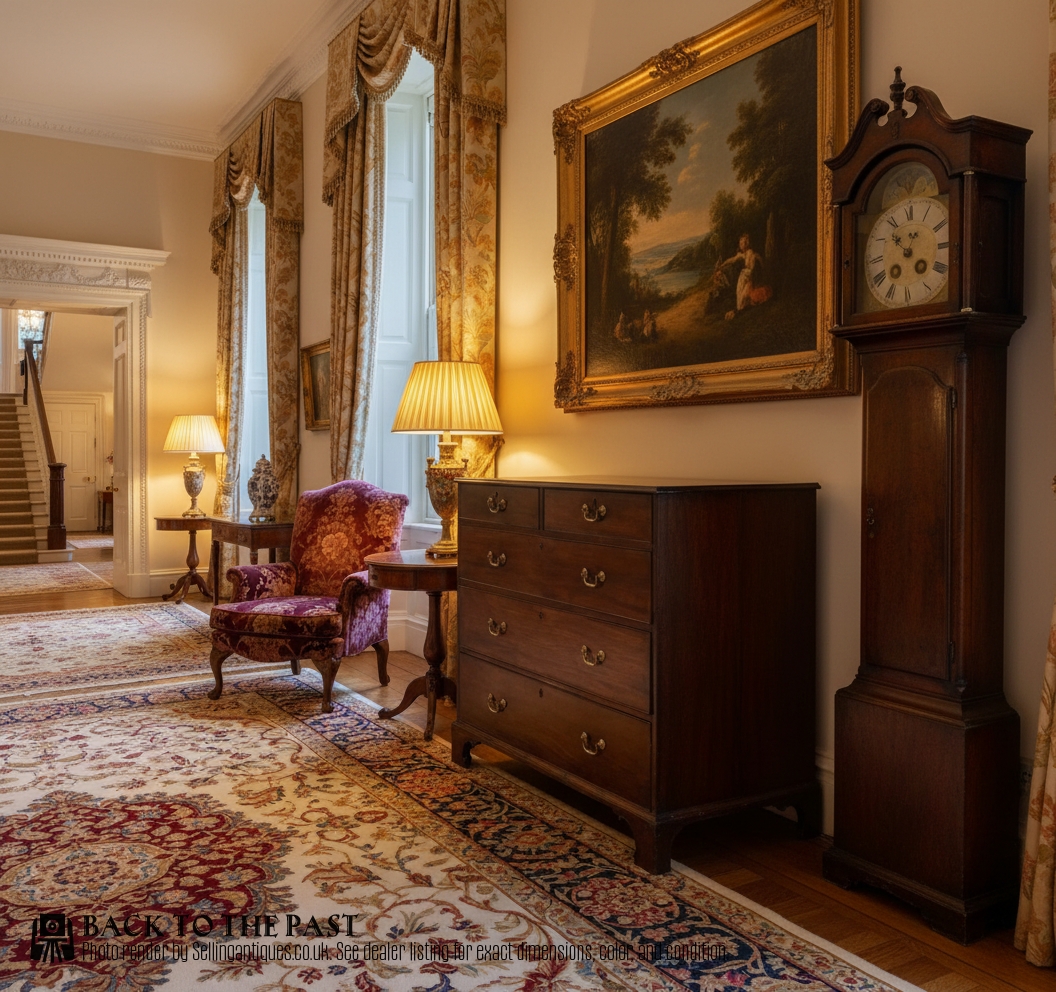
Chippendale Mahogany Dresser
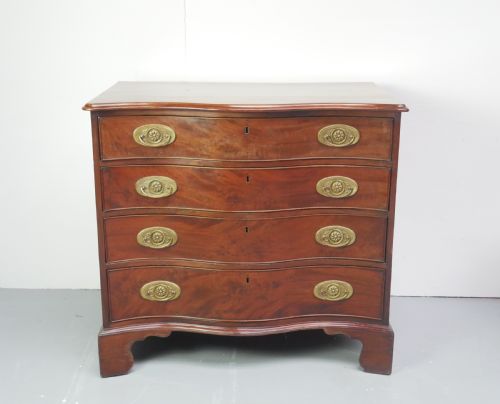
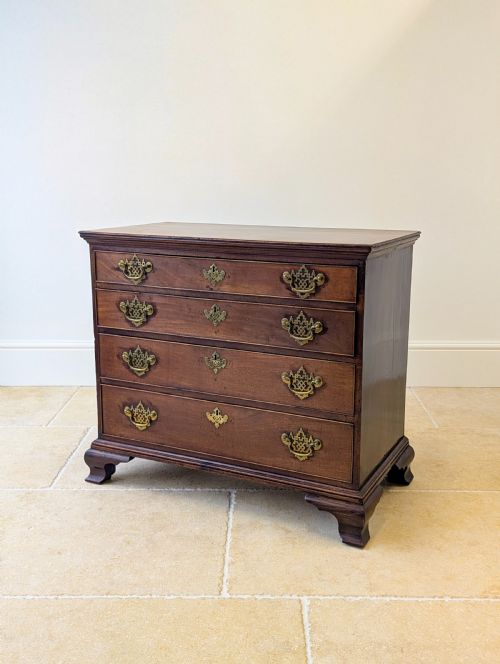
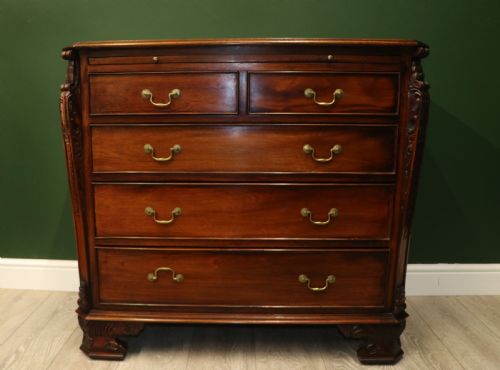
When you search for a chippendale mahogany dresser, you encounter items predominantly recorded as chests of drawers, chest on chest forms, and dresser bases. These items span the eighteenth century and the Georgian period, alongside later nineteenth and twentieth century revivals.
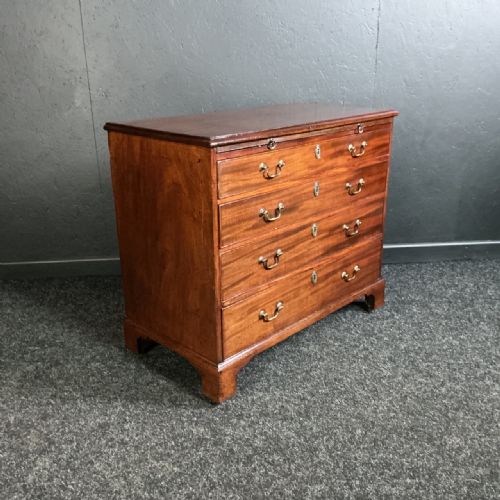
The pieces present various configurations, including serpentine fronts, bachelor chests, and forms fitted with brushing slides or writing brushes. Solid timber construction dominates the examples listed on this page.
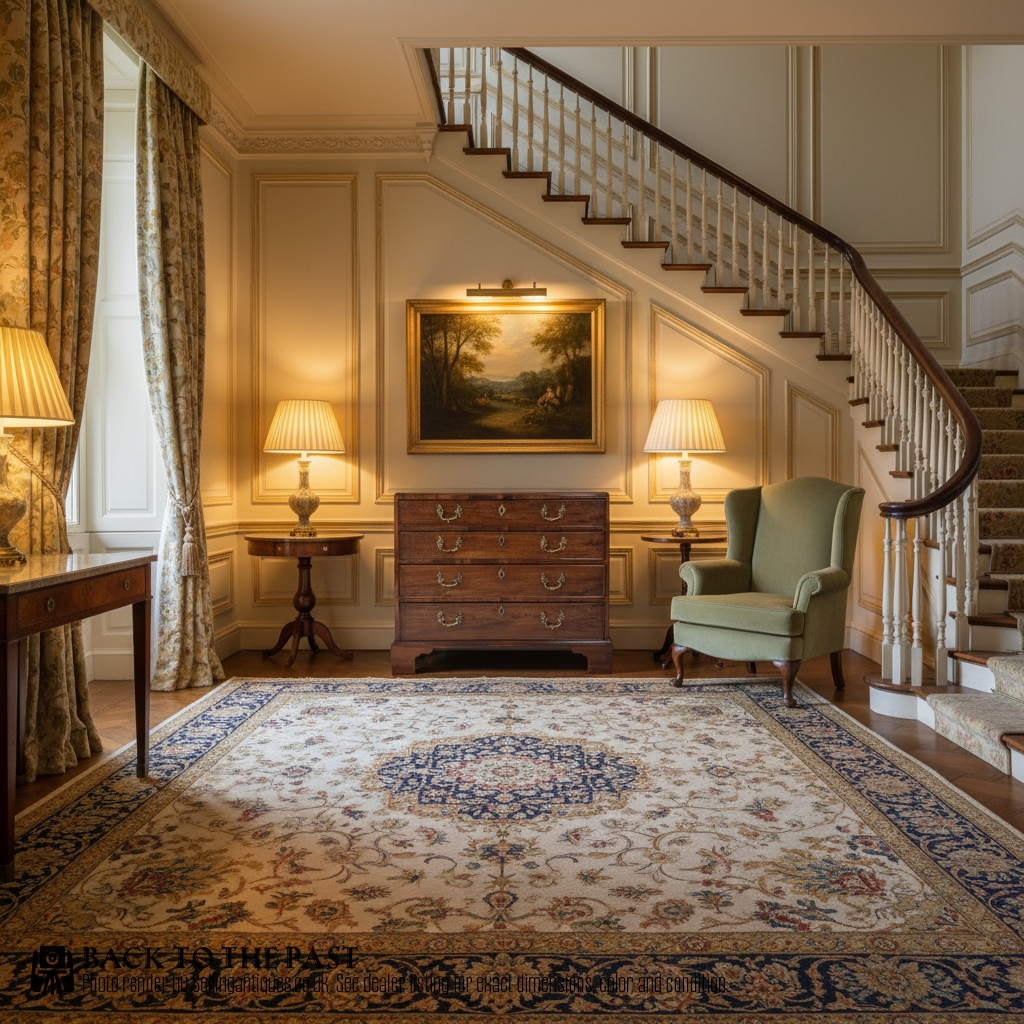
Materials and construction methods
Cabinet makers utilised primary timbers such as mahogany, Cuban mahogany, red walnut, and oak, supplemented by secondary woods like pine. Details frequently incorporate boxwood inlay and brass hardware.
Joinery techniques produced sturdy carcases, sometimes featuring ball and claw feet on period examples from the eighteenth century. Surfaces rely on the natural grain of the timber rather than heavy applied ornament.
Listings span the eighteenth century, Georgian era, and later revival periods, utilising mahogany, oak, brass, and boxwood inlay.
Distinctions in quality and execution
The standard of a piece depends on the precision of the serpentine shaping and the choice of timber, particularly where figured Cuban mahogany is present. Crisp execution of drawer mouldings and original brass handles elevate an example.
The Chippendale Mahogany Dresser Glossary
- Serpentine
- A front contour that curves outward at the sides and inward at the centre. This shape requires skilled carpentry to execute cleanly across multiple drawers.
- Brushing slide
- A pull-out shelf positioned above the top drawer used for grooming or writing. It typically matches the surrounding timber of the carcase.
- Chest on chest
- A tall storage unit comprising a smaller chest stacked atop a larger base. This form maximises vertical capacity.
- Cuban mahogany
- A dense, dark timber prized for rich grain patterns and durability. Eighteenth century cabinet makers favoured this material for high status items.
- Bachelor chest
- A compact chest of drawers equipped with a folding top or sliding shelf. These pieces served domestic dressing and writing functions.
Chippendale Mahogany Dresser: Frequently Asked Questions
What is a brushing slide?
A brushing slide is a pull-out wooden board integrated just beneath the top surface or upper drawer of a chest. It provided a clean surface for brushing clothes or writing short notes.
Cabinet makers fitted these to many eighteenth century examples to increase daily utility without enlarging the footprint of the furniture.
Are these pieces made of solid mahogany?
The listings include solid mahogany, Cuban mahogany, and red walnut construction across various periods. Secondary timbers like oak and pine appear in drawer linings and internal framing.
Inspect the grain and drawer construction to understand how the maker combined solid primary woods with supporting structural timbers.
How should I care for antique mahogany furniture?
Maintain stable indoor humidity levels and keep wooden surfaces away from direct heat sources and strong sunlight. Regular dusting with a dry cloth preserves the finish without building up greasy residues.
Apply traditional wax sparingly when the timber appears dry to maintain the natural sheen of the mahogany.