

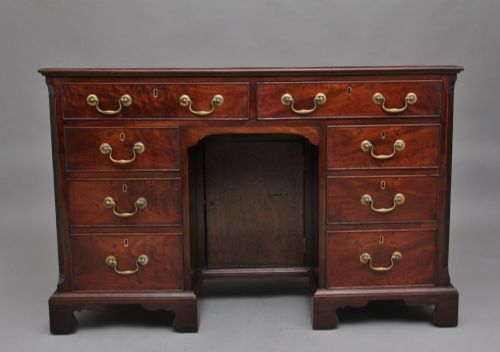

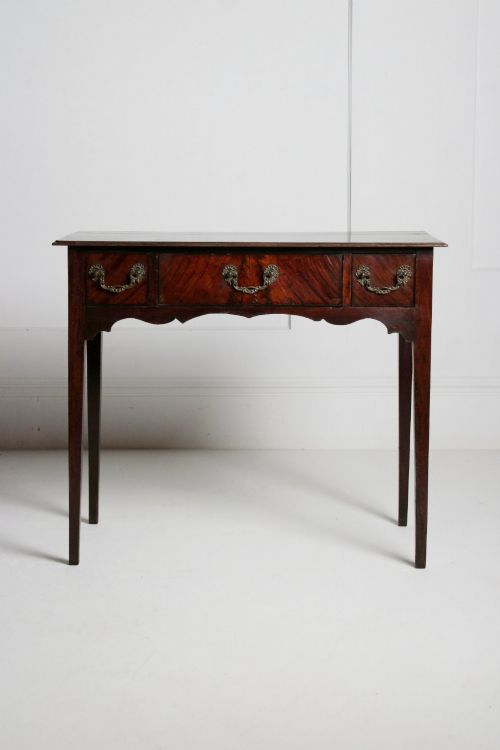


Chippendale Dressing Table
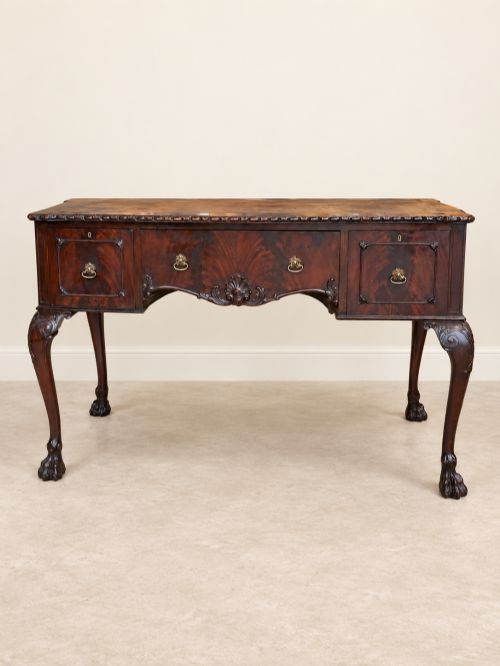
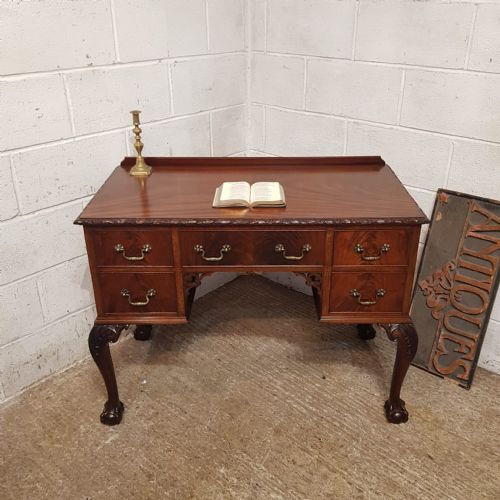
A chippendale dressing table brings profound eighteenth-century character to a bedroom through rich mahogany timbers and precise cabinet work.
Chippendale Dressing Table
A chippendale dressing table represents a specific pinnacle of domestic furniture design, combining drawers and surface space with sculpted lines. When searching this phrase, buyers encounter original eighteenth-century examples alongside revival pieces from later eras.
The selection here encompasses related forms such as dressing chests, lowboys, writing desks, and matching stools. Mahogany forms the predominant timber, though walnut appears in select periods.
Original pieces date back to the mid-eighteenth century under George III and George II, while revival interpretations emerge around nineteen hundred and the Edwardian decades.
How they were made
Cabinet makers utilised dense timbers, predominantly mahogany and occasionally walnut, selected for deep grain patterns and strength. Solid construction methods ensure stability across drawers, legs, and surfaces.
Brass hardware such as handles and escutcheons punctuate the dark timber, whilst internal compartments and secret drawers demonstrate intricate woodworking techniques.
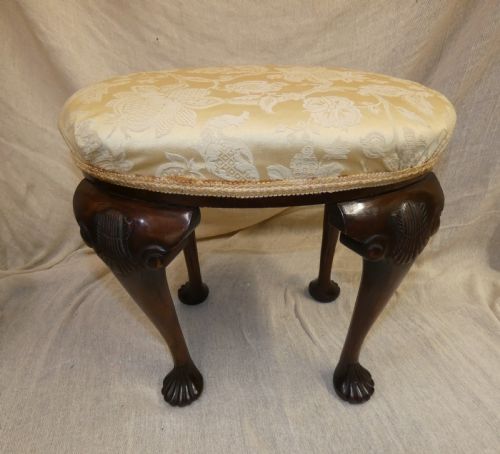
Fabric elements such as damask appear on associated stools and seating, complementing the polished wood frames.
Associated bedroom pieces include matching stools upholstered in damask fabric alongside freestanding wardrobes.
What varies in quality
The distinction between standard examples and superior pieces rests upon timber selection and carving depth. Figured flame mahogany and crisply executed fretwork elevate an item significantly.
Structural integrity of the joints and the preservation of original brass fittings dictate the historical worth. Subtle details like secret compartments or serpentine drawer fronts indicate higher workshop ambition.
Muirhead Moffat And Co
The Chippendale Dressing Table Glossary
- Lowboy
- A small dressing table or side table featuring one or more rows of drawers beneath a flat top. These low tables frequently served dual purposes in period bedchambers.
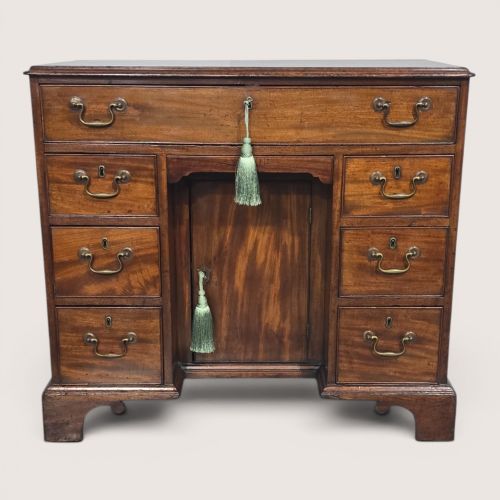
- Kneehole desk
- A bureau or dressing table with a central recess for the legs, flanked by pedestals of stacked drawers. This configuration became standard during the eighteenth century.
- Chippendale revival
- Furniture produced in the late nineteenth or early twentieth centuries mimicking eighteenth-century aesthetics. These pieces employ period techniques and traditional timber choices.
- Serpentine
- A curved line of furniture fronts featuring a convex centre flanked by concave sides. This shaping demands advanced joinery skill.
- Damask
- A reversible figured fabric utilised on upholstery and stools. The pattern is woven directly into the cloth.
Chippendale Dressing Table: Frequently Asked Questions
How do I date a dressing table?
Examine the timber species, construction joints, and hardware style. Eighteenth-century pieces display hand-cut dovetails and genuine patina.
Revival items from nineteen hundred or the Edwardian era utilise machine assistance while mimicking earlier Georgian proportions.
Were these tables used for writing?
Many examples feature compartments, mirrors, or sliding surfaces that accommodated both grooming and correspondence. Dressing tables and writing desks often shared similar kneehole proportions.
Owners adapted these sturdy mahogany surfaces to suit daily domestic writing tasks.
How do I clean mahogany?
Maintain polished mahogany surfaces using a soft cloth and traditional beeswax. Avoid modern chemical sprays that degrade the historic finish.
Keep timber furniture away from direct sunlight and excessive radiator heat to prevent splitting.