

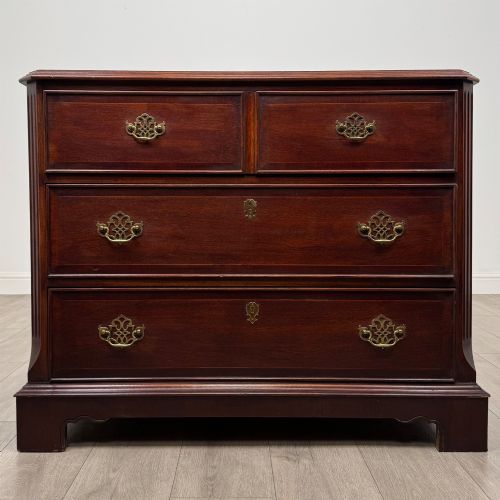
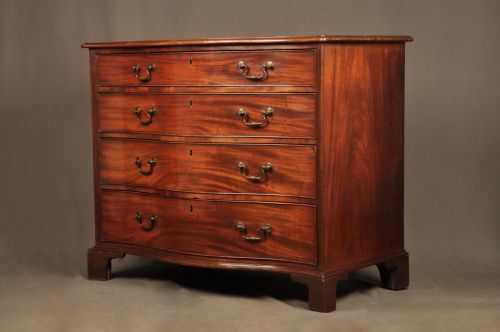
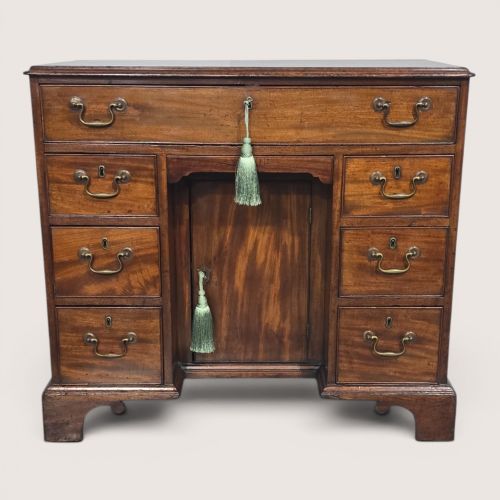
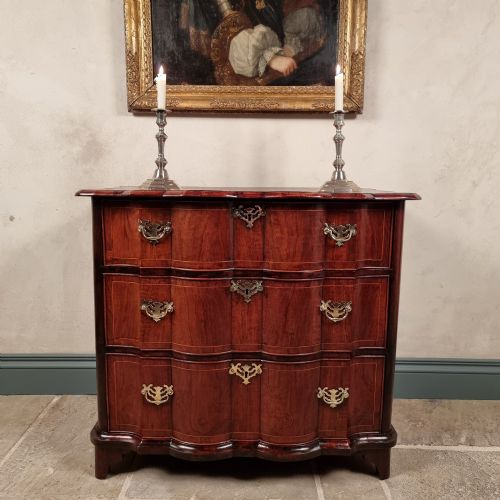
Chippendale Bureau
When you handle a chippendale bureau, you touch furniture built to organise papers and store linen with panelled drop fronts and fitted interiors.
Chippendale Bureau
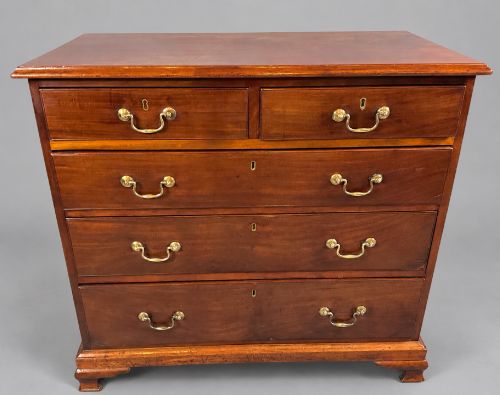
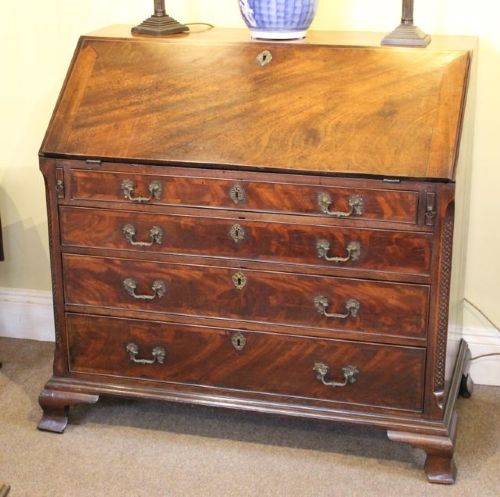
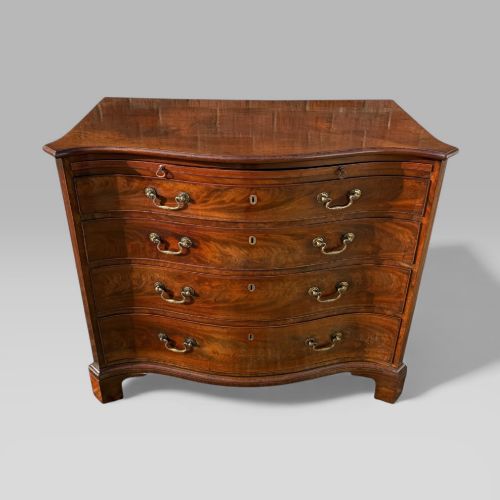
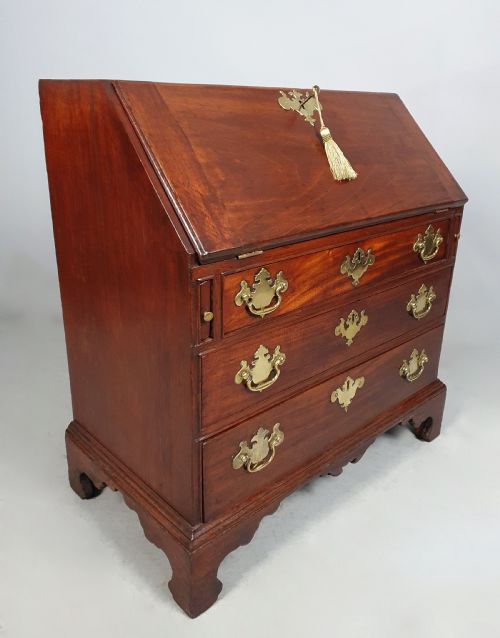
A chippendale bureau combines a writing slope with drawers beneath, sitting within the Georgian and later revival periods. Most examples on this page date from the eighteenth century or the Edwardian revival, showcasing traditional cabinet-making forms.
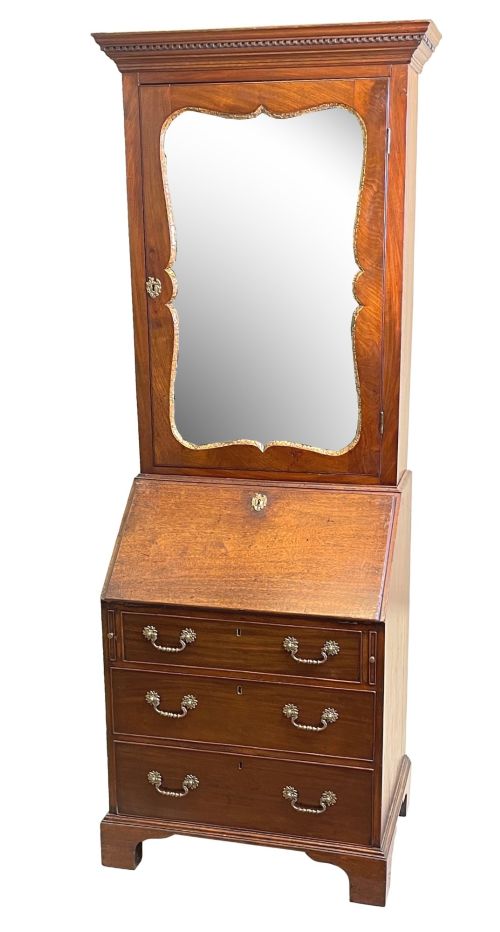
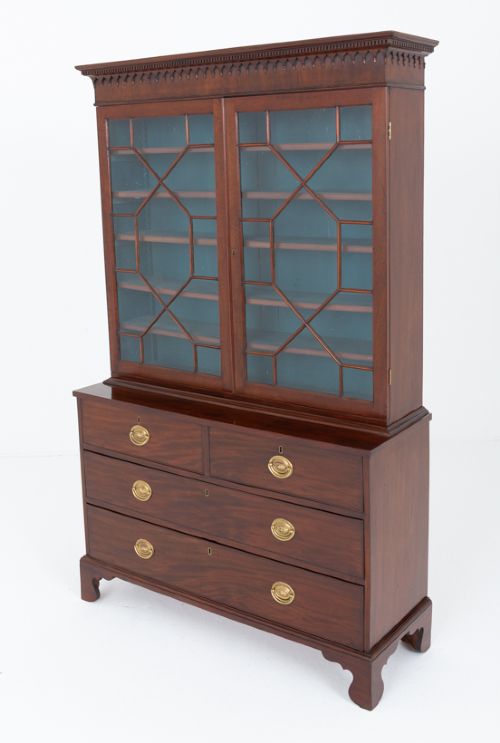
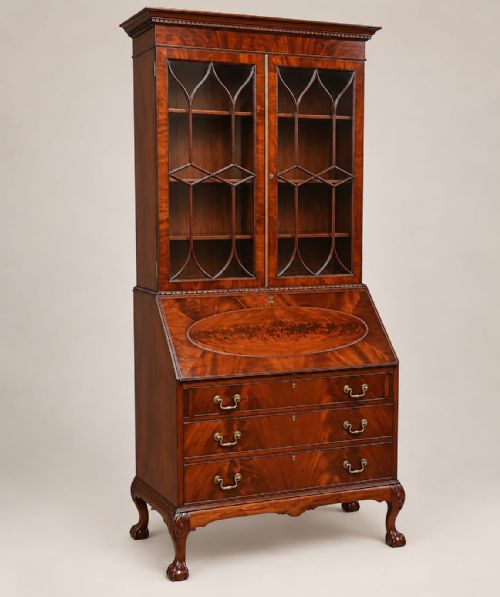
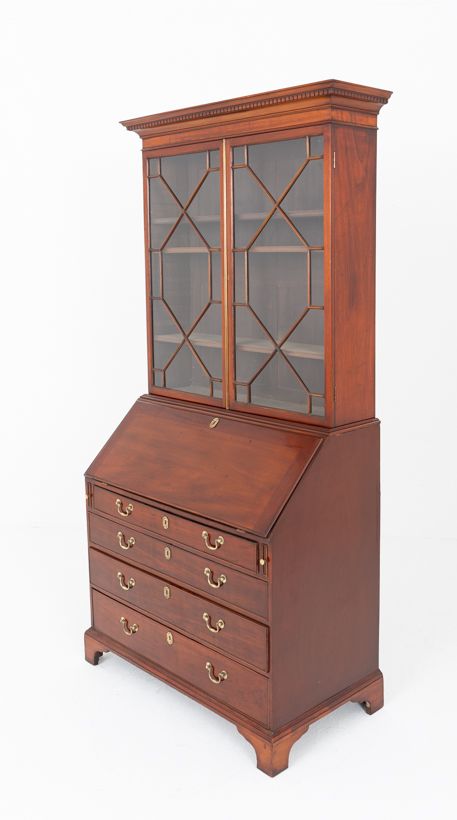
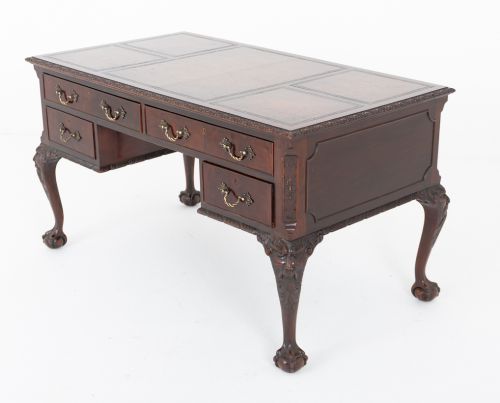
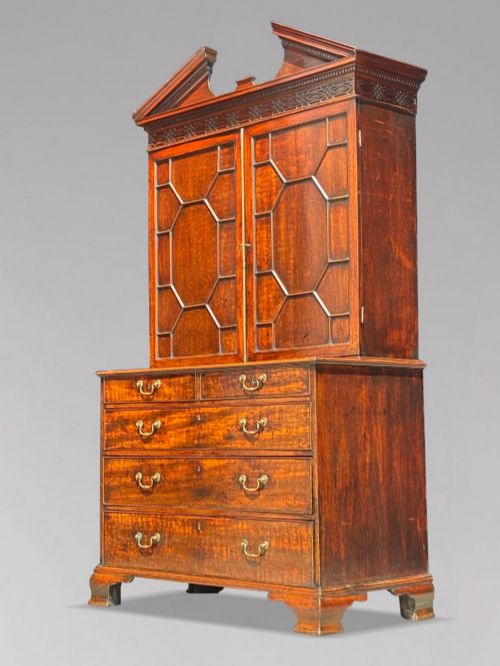
The selection extends beyond standard writing desks to include bureau bookcases, secretaire bookcases, and pedestal desks. These larger pieces combine shelving or glazed cabinetry above with a dedicated writing compartment below.
Makers adapted the style across different eras, producing Georgian originals alongside later Chippendale Revival pieces from around nineteen hundred. Each version maintains the structural integrity and characteristic drawer configurations associated with the design.
How they were made
Cabinet-makers relied heavily on mahogany as the primary timber, often supplemented by fruitwood, cedarwood, and padauk wood for specific internal sections or decorative accents. Timber selection dictated the structural weight and the depth of figure visible across the polished surfaces.
Brass hardware such as handles, escutcheons, and hinges provided essential functional contrast against the dark wood. Joinery techniques ensured smooth operation of the drop-front writing slopes and the numerous internal pigeonholes and small drawers.
Chippendale Bureau Retail Price Guide 2026
Typical asking prices for chippendale bureau among the pieces listed under this phrase on Sellingantiques today, from the lower quarter to the upper quarter. They describe what is for sale here now, not the wider market.
Some bureaus conceal secret compartments behind small drawers, designed to keep personal correspondence hidden from wandering eyes.
What varies in quality
The refinement of the timber figure and the crispness of carved details set individual pieces apart. Higher quality items display carefully matched grain patterns and precise execution on decorative mouldings and bracket feet.
Internal complexity also marks the upper tier of pieces, where fitted stationery compartments feature secret drawers and subtle architectural touches. The integrity of the original construction and the preservation of polished surfaces determine the standing of each bureau.
Thomas Chippendale
The Chippendale Bureau Glossary
- Bureau bookcase
- A combination furniture form featuring a sloping writing desk below a glazed or panelled cabinet for books. These tall pieces maximise vertical storage space.
- Secretaire
- A cabinet or chest of drawers containing a pull-out writing drawer with a fitted interior of small drawers and pigeonholes. It provides a concealed writing surface.
- Padauk wood
- An exotic timber valued for its dense grain and rich reddish-brown tone. It appears in select eighteenth-century cabinet-making.
- Crossbanded
- A border technique where thin strips of veneer are laid perpendicular to the main grain of the panel. This frames drawer fronts and tabletops with decorative contrast.
- Serpentine front
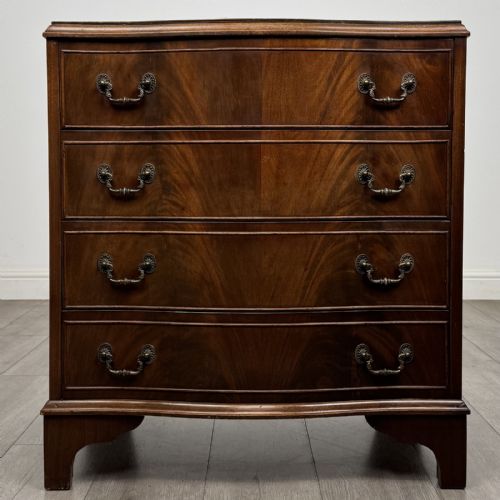
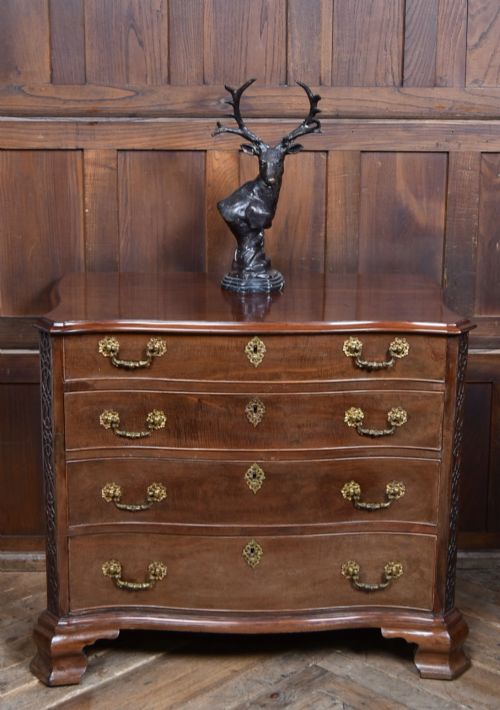
- A furniture front curving outward at the centre and inward at the sides. This undulating shape requires advanced woodworking skill to execute properly.
Chippendale Bureau: Frequently Asked Questions
What is a chippendale bureau?
A chippendale bureau is a writing cabinet featuring a hinged sloping front that opens to reveal compartments for letters and stationery. Below the writing surface sit multiple drawers for storage.
These pieces date from eighteenth-century Georgian origins as well as later revival periods. They serve as functional writing desks and statement items of wooden furniture.
How do I tell an original from a revival?
Original pieces from the eighteenth century show period construction methods, hand-cut dovetails, and timber ageing consistent with centuries of use. Secondary woods inside the drawers typically match the domestic or imported timbers common to that era.
Revival pieces from around nineteen hundred often utilise machine-sawn elements and standardised hardware while copying earlier stylistic motifs. Examining the interior joinery and timber wear reveals the true age of the cabinet.
Where should I place a bureau in my home?
A bureau fits well in a study, living room, or hallway where the depth of the piece allows the drop-front to open comfortably. Placing the wooden surfaces away from direct sunlight and heat sources protects the polished finish.
Using the internal compartments helps keep contemporary stationery organised while maintaining the traditional appearance of the furniture. The enclosed desk surface hides clutter when the writing flap is closed.
What maintenance do these wooden desks require?
Maintaining mahogany and other hardwoods involves dusting with a soft cloth and applying appropriate wax polish periodically to nourish the grain. Avoiding excessive moisture preserves the stability of the antique joints and veneers.
Checking brass hardware and drawer runners ensures smooth daily operation without straining the old timber. Gentle care preserves the colour and figure developed over generations.