


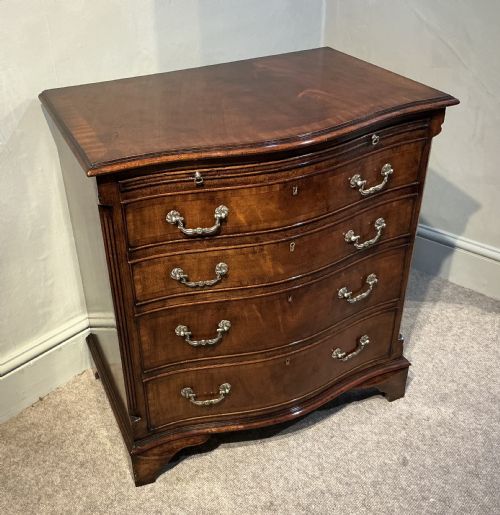

Chippendale Bedroom Dresser
A chippendale bedroom dresser is a solid mahogany chest of drawers built to last generations, offering practical storage with classical carving.
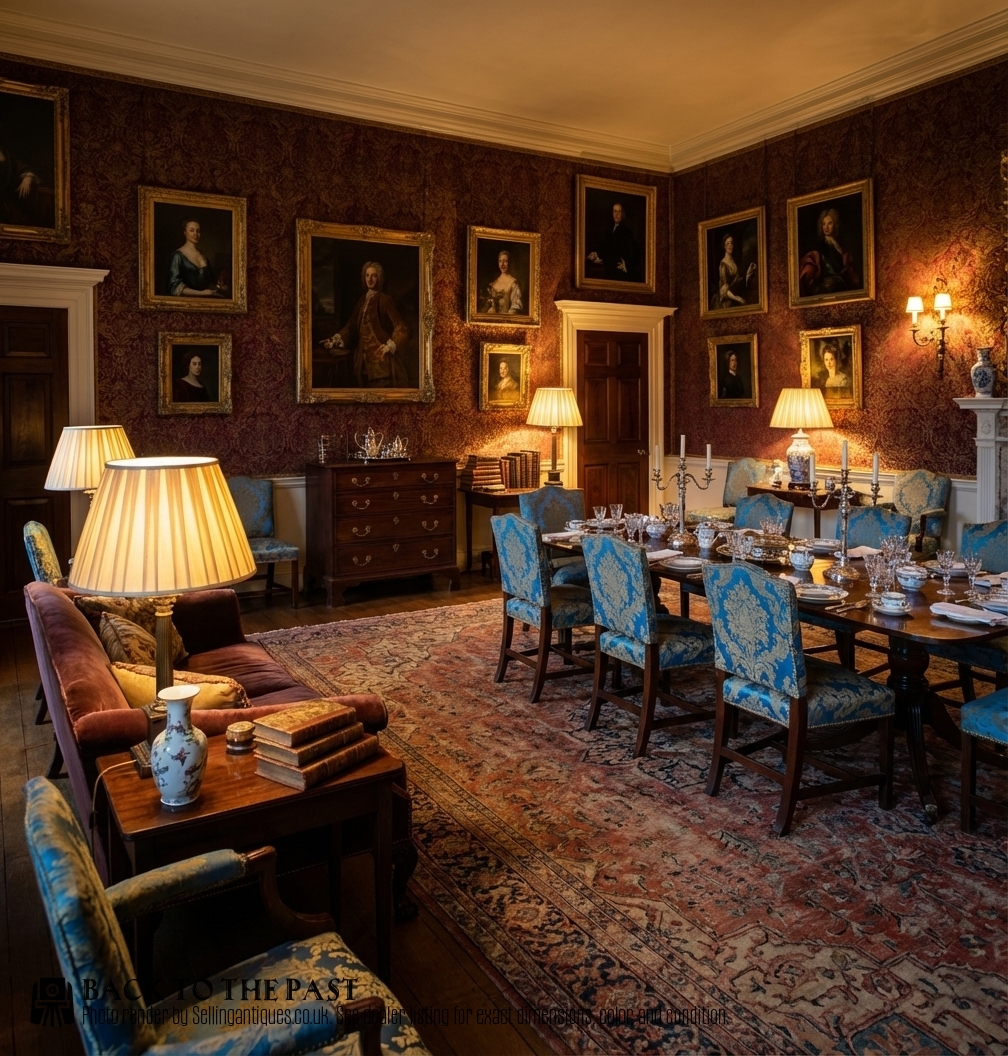
Chippendale Bedroom Dresser
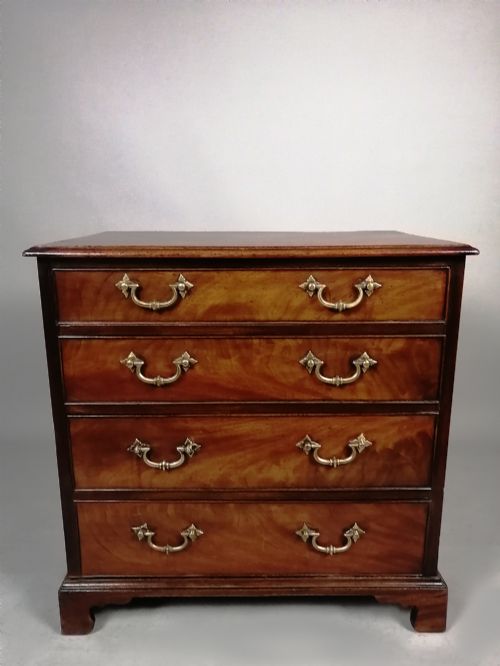
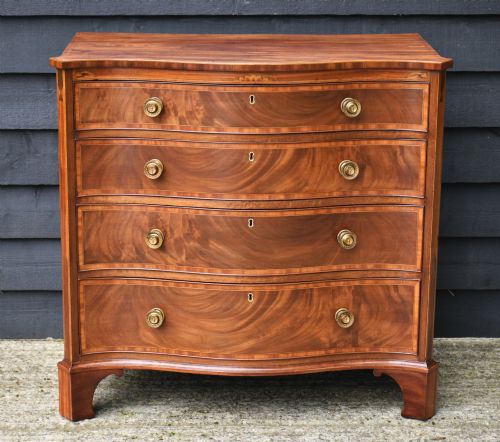
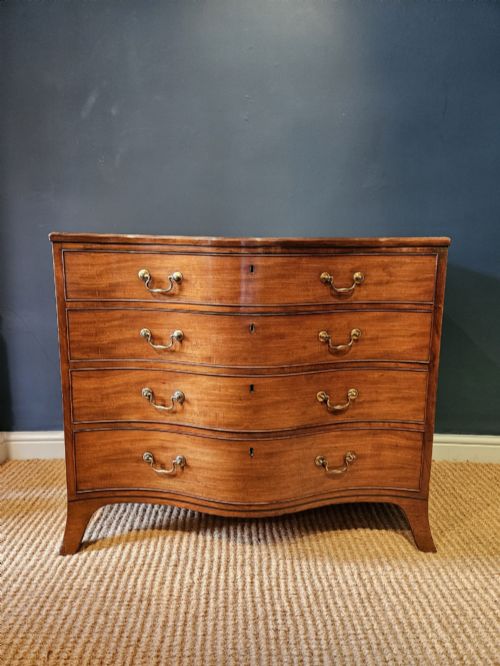
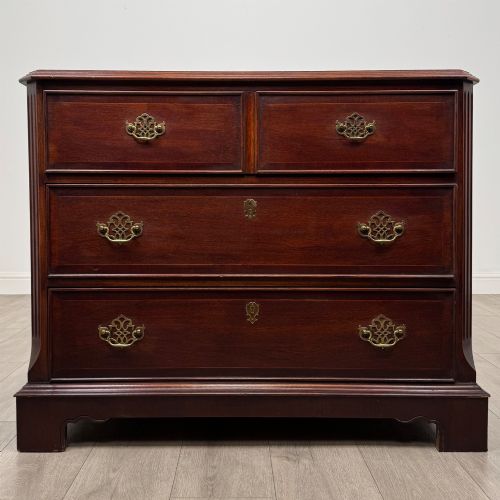
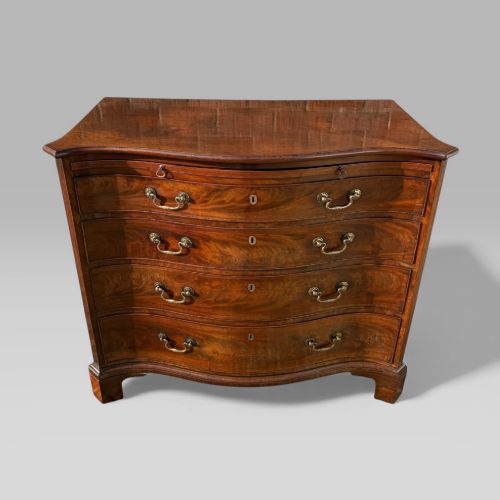
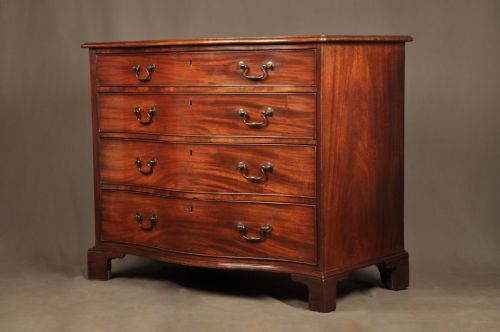
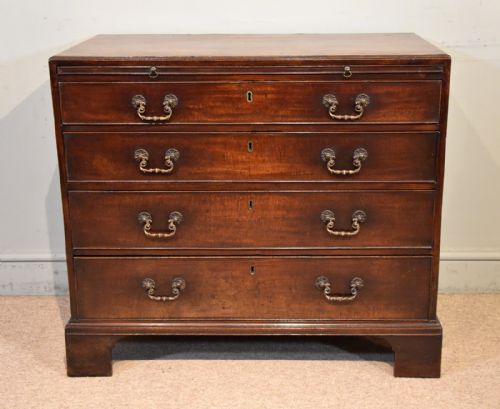
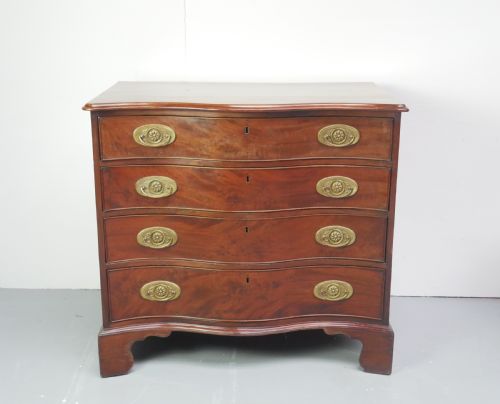
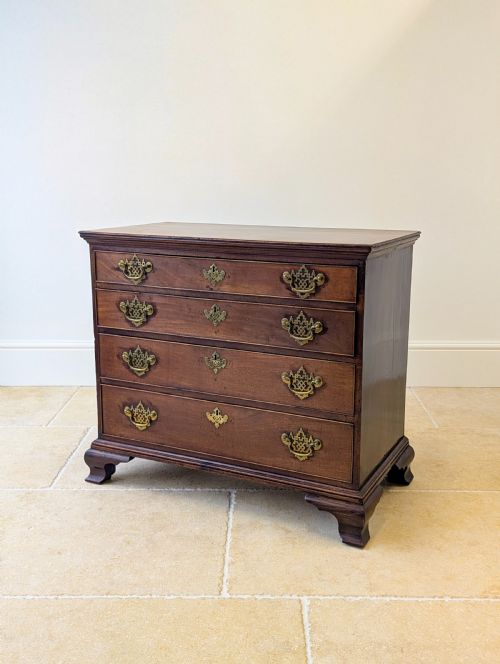
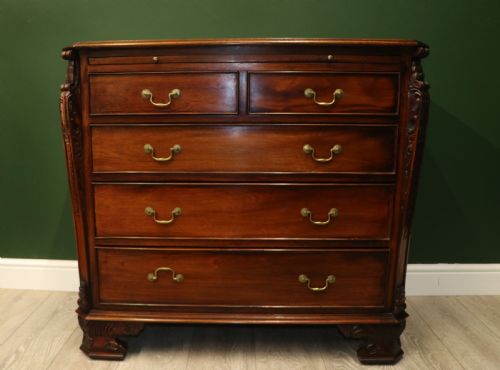
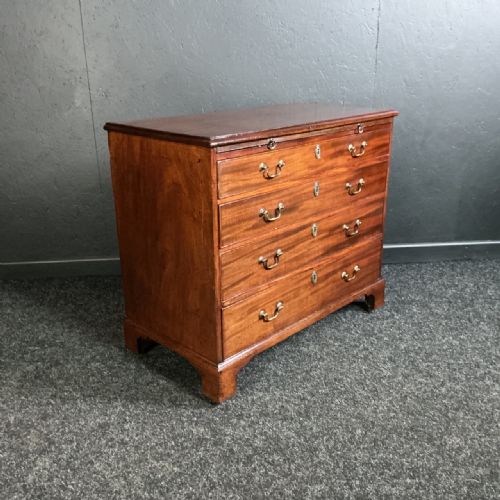
When searching for a chippendale bedroom dresser, buyers encounter chests of drawers predominantly from the eighteenth century, alongside later revival interpretations. These pieces function as bedroom storage units, often featuring multiple graduated drawers and occasionally a pull-out brushing slide for convenience.
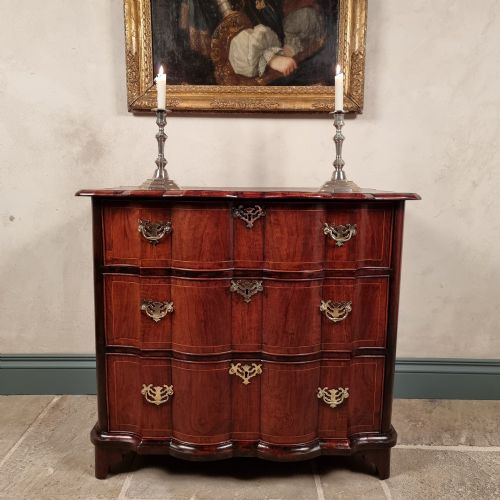
The dominant material visible across these examples is mahogany, frequently paired with brass hardware and boxwood inlay. Formations range from straight fronts to graceful serpentine and bow fronts, reflecting distinct stylistic choices within the broader Chippendale tradition.
Materials and construction methods
Cabinet makers relied heavily on solid mahogany, Cuban mahogany, and occasionally red walnut to construct these sturdy carcass frames. Timber selection determined both the weight of the furniture and the depth of the grain visible on the surface.
Joinery techniques involved precise dovetailing for the drawer boxes, whilst decorative elements incorporated boxwood inlay and cast brass handles. Structural support sometimes culminated in ball and claw feet, grounding the heavy timber framework.
Some chests hide sliding shelves originally designed to keep waistcoats pristine before a morning ride.
Judging the standard of execution
Quality rests upon the selection of timber and the crispness of the carving, distinguishing master cabinet work from simpler vernacular output. Richly figured Cuban mahogany and finely moulded serpentine drawer fronts denote superior workshops.
The integrity of the internal drawer linings and the retention of original brass hardware elevate certain examples above standard utilitarian pieces. Attention to proportion and the subtlety of the edge moulding further separate accomplished items from ordinary furniture.
The Chippendale Bedroom Dresser Glossary
- Serpentine
- A front profile curving outward in the centre and inward at the sides. This rhythmic shape requires considerable skill from the woodworker.
- Brushing slide
- A pull-out shelf located above the top drawer. It provided a clean surface for folding clothes or writing notes in the bedroom.
- Chest-on-chest
- A tall storage unit formed by stacking one smaller chest directly upon a larger base. Also known as a tall-boy.
- Boxwood inlay
- Narrow strips of pale wood inserted into contrasting darker timber for decoration. It frames drawer edges and panels.
- Ball and claw
- A foot carved to resemble a bird's talon gripping a ball. This motif is frequently seen on eighteenth-century furniture.
Chippendale Bedroom Dresser: Frequently Asked Questions
What is a brushing slide used for?
A brushing slide acts as a pull-out shelf positioned just beneath the top surface of the chest. It allowed owners to brush garments or place items temporarily while dressing.
In period bedchambers, this feature added practical workspace without taking up extra floor area. Today, it remains a useful detail for daily organisation.
How do I identify eighteenth-century mahogany?
Eighteenth-century mahogany, particularly Cuban varieties, possesses a heavy weight and deep reddish-brown tone. The grain often displays intricate figure patterns that catch the light.
Older timber exhibits a dry, mellow surface patina developed over centuries of polishing. Examining the secondary timbers inside the drawers confirms the age of the construction.
How should I care for antique mahogany?
Protect antique mahogany by keeping it away from direct sunlight and sudden temperature changes. Natural beeswax applied sparingly helps maintain the lustre of the timber.
Avoid placing damp items directly onto the polished top surface. Gentle dusting with a dry cloth is sufficient for routine maintenance.