






Rococo Brass Handles Chest
These rococo brass handles chest pieces bring continental flair and bold serpentine lines to any room through rich mahogany, walnut, and oak.
Rococo Brass Handles Chest
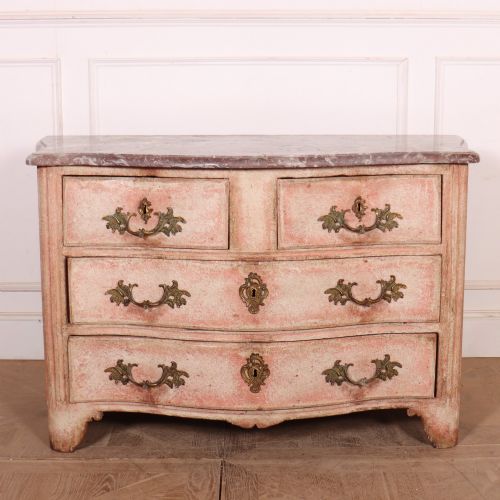
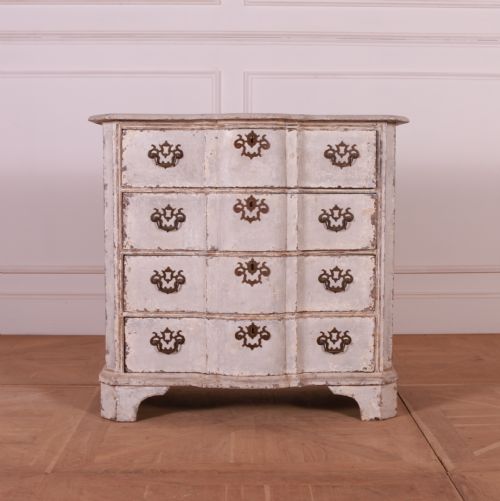
A rococo brass handles chest brings together formal European cabinetry and spirited hardware, appearing most often as a serpentine or bombe commode from the eighteenth century. These pieces serve as practical storage while displaying the asymmetric curves and exuberant casting typical of the style.
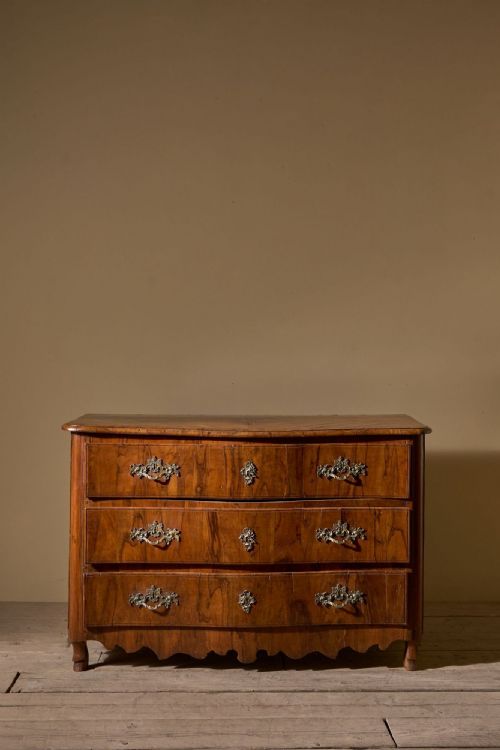
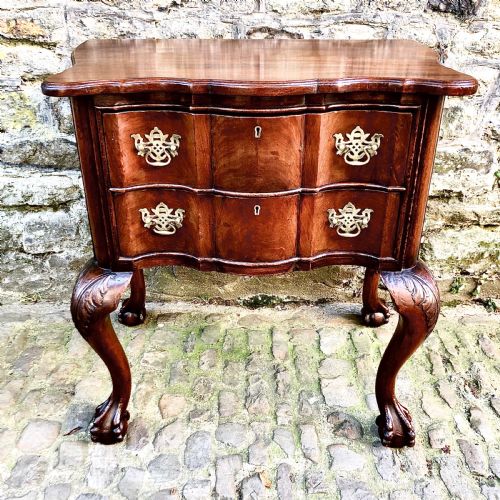
Maltese olivewood and Georgian Chippendale examples sit alongside French provincial commodes, showing how cabinetmakers across Europe adopted the sweeping silhouettes. Buyers encounter diverse regional interpretations of the aesthetic, unified by ornate metalwork and substantial timber construction.
Materials and construction
Cabinetmakers constructed these pieces using solid timbers like oak, walnut, and mahogany, frequently applying veneers of exotic woods such as olivewood on primary display surfaces. Carpenters shaped the carcasses with serpentine fronts or bombe curves, demanding advanced joinery to maintain structural stability.
Foundries cast the brass handles and escutcheons using traditional methods, producing high-relief scrollwork and foliage that complement the organic contours of the woodwork. Artisans finished surfaces with polish or paint, enhancing the natural grain or providing decorative colour.
Rococo Brass Handles Chest Retail Price Guide 2026
Typical asking prices for rococo brass handles chest among the pieces listed under this phrase on Sellingantiques today, from the lower quarter to the upper quarter. They describe what is for sale here now, not the wider market.
Listings feature pieces spanning the eighteenth and nineteenth centuries, utilising materials including brass, oak, mahogany, marble, walnut, pine, painted timber, and olivewood.
Judging the standard
Quality depends upon the fluidity of the timber shaping and the crispness of the cast brass hardware. Superior examples display harmonious proportions across bombe and serpentine curves, where the metal mounts integrate naturally with the drawer fronts.
The choice of primary wood and veneer matching dictates the visual depth of the piece, distinguishing high-status commodes from provincial work. Expert joinery in the drawer construction and carcass framing ensures longevity and smooth operation of every sliding element.
The Rococo Brass Handles Chest Glossary
- Commode
- A low chest of drawers or cabinet developed in France during the seventeenth century. These pieces often feature decorative veneers and serpentine fronts.
- Bombe
- A swelling, convex furniture shape that curves outward on the sides and front. This profile requires skilled carpentry to execute successfully in solid timber.
- Serpentine
- A furniture front or edge shaped with a central convex curve flanked by two concave curves. It creates a flowing, wave-like appearance across the drawer faces.
- Apprentice chest
- A small-scale piece created by a learner to demonstrate mastery of cabinetmaking techniques. These items replicate the full-size furniture of the period in miniature.
Rococo Brass Handles Chest: Frequently Asked Questions
How do I date an 18th century chest?
Dating relies on examining the timber species, construction methods, and hardware integration. Eighteenth-century pieces frequently employ hand-cut dovetails and solid secondary woods suited to their specific region.
Stylistic markers such as serpentine fronts and cast brass mounts also help narrow the period of manufacture.
Where were these chests made?
Workshop origins span across Europe, including France, the Netherlands, Portugal, Malta, and Scandinavia. Each region adapted continental cabinetmaking trends using local timbers like oak, walnut, and olivewood.
Regional preferences shaped the degree of curve, paint finishes, and the style of the brass mounts.
How do I care for antique timber?
Maintaining antique wood involves keeping pieces away from direct sunlight and sudden temperature changes. Regular dusting with a soft cloth preserves the polish and protects the surface finish.
Avoiding excessive moisture ensures the timber and veneers remain stable over time.