


Chinoiserie Floral Ceramic Vase
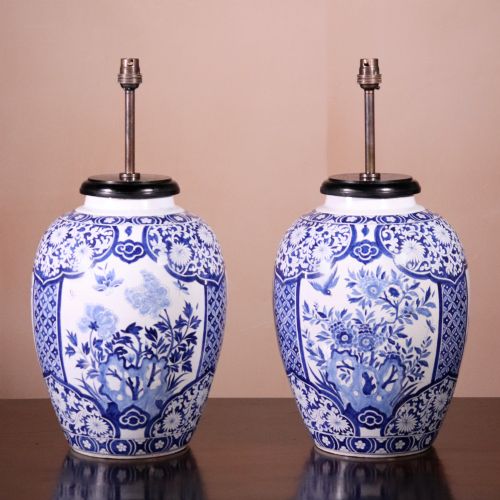
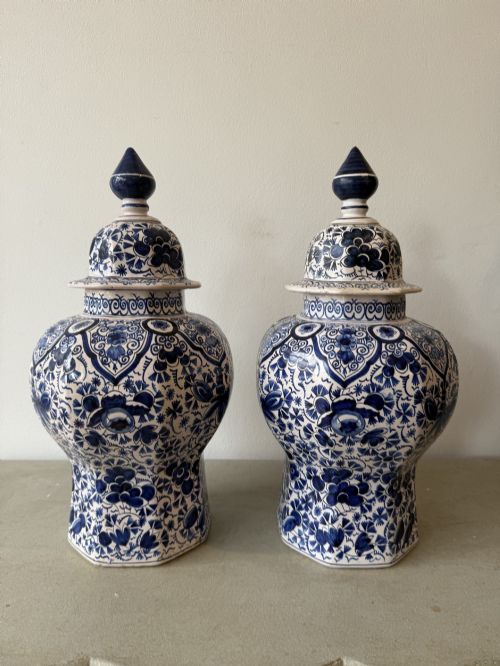
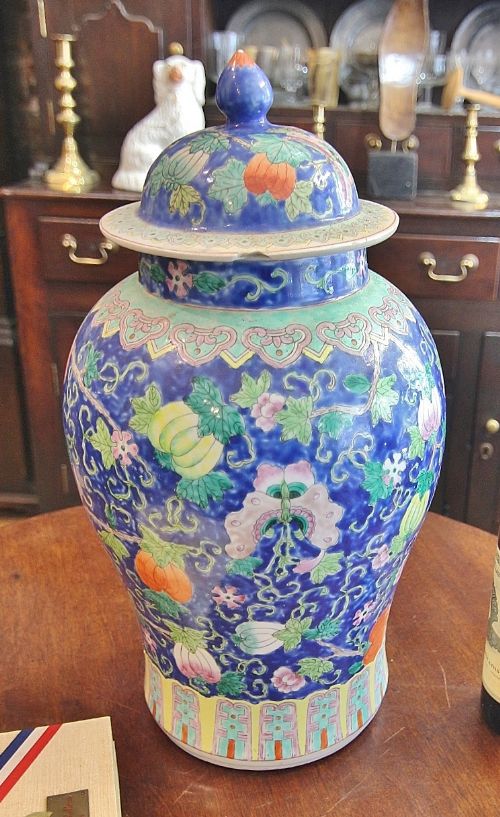
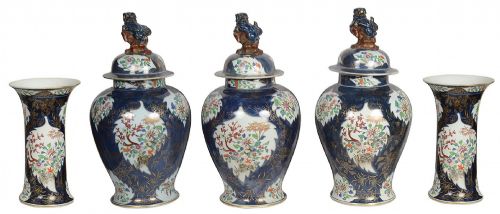
These chinoiserie floral ceramic vase examples bring hand-painted narrative scenes and botanical motifs straight into a room.
Chinoiserie Floral Ceramic Vase
When a buyer explores a chinoiserie floral ceramic vase, they encounter vessels spanning from the eighteenth century to the twentieth century. These pieces encompass Dutch Delftware, Chinese traditional designs, and European interpretations using porcelain and ironstone.
The selection ranges from simple baluster forms and ginger jars to garnitures and lidded vessels. Many pieces from this selection also function as table lamps, combining historic ceramic bodies with modern electrical wiring.
Materials and Techniques
Potters shaped these vessels using porcelain, ironstone, and ceramic materials before applying detailed glaze work. Decoration often involves underglaze blue painting or polychrome enamels displaying floral patterns and exotic birds.
Some decorative examples incorporate ormolu mounts made of brass to elevate the base or rim. Selected pieces utilise wooden elements or fabric components, particularly when adapted into lighting.
Some nineteenth-century artisans cheerfully painted exotic birds onto ironstone posy vases long before anyone considered putting a lightbulb inside them.
Assessing Quality and Execution
Quality depends on the precision of the hand-painted details and the depth of the glaze colours. Finer examples display crisp botanical drawing and controlled brushwork across the floral bands.
The presence of historic marks, such as imitation seals or factory stamps, distinguishes standard production from notable workshop output. Potteries like Mason and Samson demonstrate distinct levels of artistic ambition in their revival pieces.
Mason·Royal Doulton·Samson·Miles Mason
The Chinoiserie Floral Ceramic Vase Glossary
- Chinoiserie
- European decorative style reflecting Chinese artistic influences. It appears frequently in ceramics and furniture from the eighteenth century onwards.
- Famille Rose
- Chinese porcelain palette dominated by opaque pink enamel colours. Introduced in the eighteenth century, it remains popular in later revival pieces.
- Famille Verte
- Chinese porcelain palette featuring transparent green enamel dominance. This style often highlights natural scenes and floral arrangements.
- Ironstone
- Heavy durable ceramic patented in the nineteenth century. It serves as a robust alternative to porcelain for decorative vessels.
- Baluster
- Architectural vase shape with a rounded lower body and narrow neck. This form provides stability and balance for intricate surface decoration.
Chinoiserie Floral Ceramic Vase: Frequently Asked Questions
How do I date an antique ceramic vase?
Dating relies on examining the glaze consistency, the ceramic body type, and any base marks present on the piece. Stylistic clues such as palette colours also offer firm guidance.
Comparing the form to documented pieces from periods like the Edwardian era or the nineteenth century helps narrow down the origin.
What is the difference between porcelain and ironstone?
Porcelain is a fine, vitrified ceramic fired at high temperatures, known for its translucency and delicate appearance. Ironstone is a dense, opaque earthenware developed for durability.
Both materials accommodate detailed chinoiserie floral decoration, but ironstone offers a heavier, sturdier build.
Can these vases be used as lamps safely?
Many historical vessels are converted into table lamps to suit modern interior lighting needs. Conversions often use existing holes or secure mounts without damaging the ceramic body.
Buyers should ensure any wiring meets current safety standards before placing them in daily use.
How should I clean a painted ceramic vase?
Dusting gently with a soft, dry cloth prevents the accumulation of dirt on glazed surfaces. Avoid harsh chemical cleaners that might damage delicate overglaze enamels.
Keeping pieces away from direct sunlight preserves the vibrancy of the hand-painted floral pigments.