



Chinoiserie Accent Chair
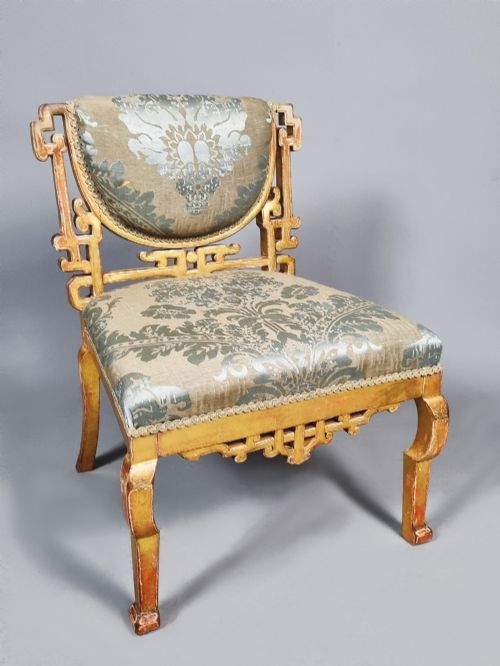
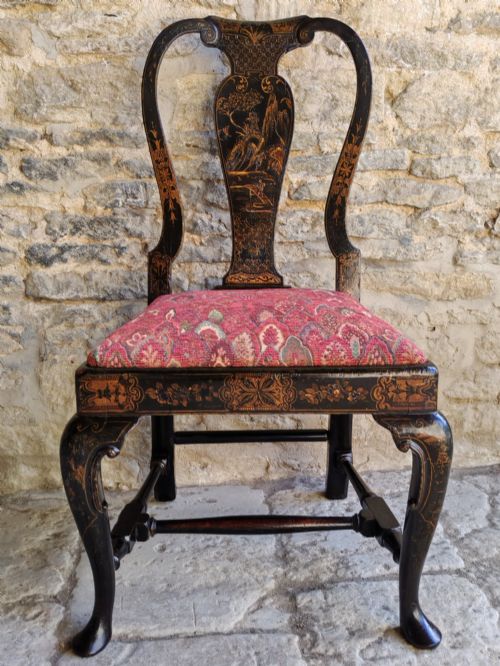
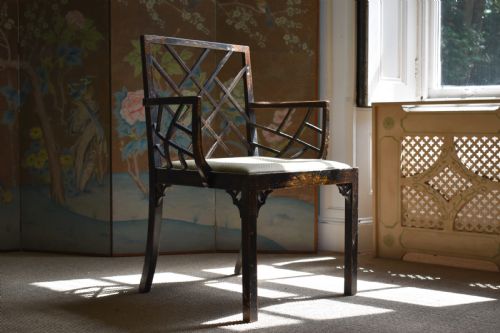
A chinoiserie accent chair brings painted lacquer, gilt decoration and oriental motifs into a room with striking presence.
Chinoiserie Accent Chair
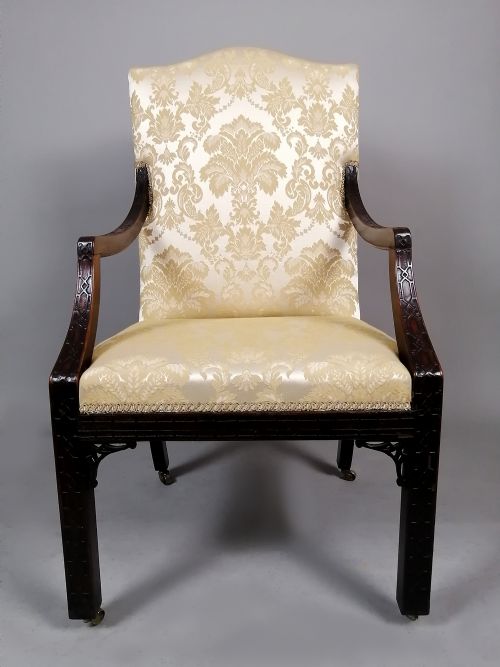
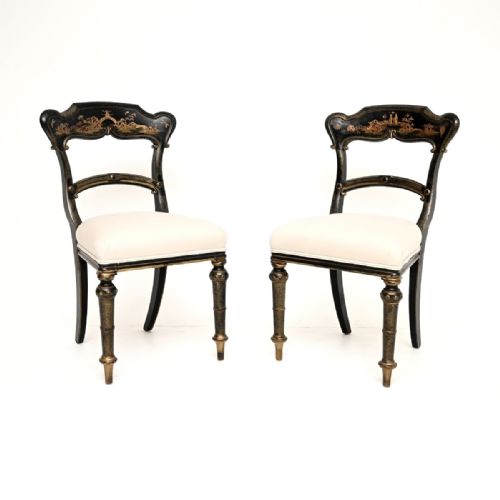
When you search for a chinoiserie accent chair, you encounter seating fashioned with distinctive oriental decoration, decorative paintwork, and lacquered surfaces. The pieces span centuries from the eighteenth century onwards, taking the form of side chairs, armchairs, library chairs, and hall chairs.
The styles found in these seating forms stretch from Chinese Chippendale and Regency designs to Victorian interpretations and Edwardian pieces. You meet side chairs and elbow seats alongside larger armchairs, each displaying varied regional influences from English workshops to Dutch makers.
Materials and Technique
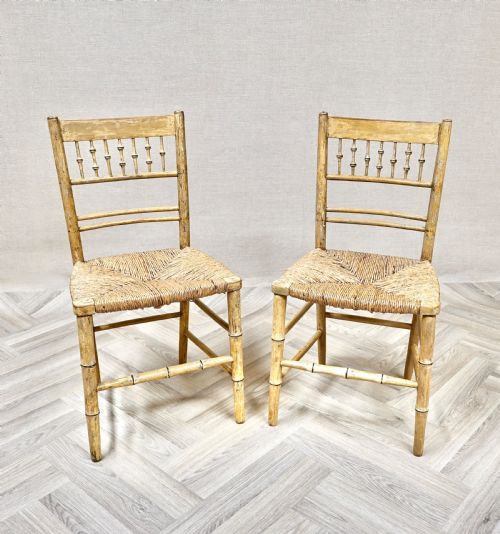
The construction relies on woods such as mahogany and satinwood, alongside bamboo and simulated or faux bamboo frameworks. Artisans shaped these timbers into durable seating frames suitable for cane or fabric upholstery.
Surface decoration involves lacquer, paint, and gilt details applied by hand. Japanning and painted finishes define the visual character of the woodwork, often augmented by carved relief.
The listings span multiple centuries, incorporating eighteenth-century mahogany, nineteenth-century bamboo frameworks, and early twentieth-century black lacquer.
Judging Quality
Quality rests upon the preservation of the original painted, lacquered, or gilt surfaces. Finer examples retain their early or original decorative schemes without extensive later repainting.
The integrity of the timber framework, whether mahogany, satinwood, or bamboo, dictates structural merit. Carving depth and the precision of the oriental motifs further separate standard production from superior work.
Waugh & Son
The Chinoiserie Accent Chair Glossary
- Chinoiserie
- European decorative style reflecting Chinese artistic influences. It employs motifs of figures, landscapes, and pavilions on lacquered or painted surfaces.
- Japanning
- European imitation of East Asian lacquerwork. It involves building up layers of varnish and resin, often decorated with gilt designs.
- Chinese Chippendale
- Mid-eighteenth-century style combining rococo framework with fretwork and oriental fret patterns. It frequently utilises mahogany.
- Canework
- Woven cane seating material utilised in chair backs and seats. It provides a lightweight and flexible support.
- Giltwood
- Timber decorated with gold leaf or gilt powder. It catches light and accentuates carved details on frames.
Chinoiserie Accent Chair: Frequently Asked Questions
How do I date a chinoiserie chair?
Dating relies upon examining the timber species, construction methods, and the style of the painted or lacquered decoration. Eighteenth-century examples often feature solid mahogany framing, while nineteenth-century pieces frequently embrace bamboo and faux bamboo forms.
Changes in paint chemistry and decorative motifs help separate Georgian interpretations from later Victorian or Edwardian revivals. Comparing the wear patterns on the lacquer surface also provides clues to age.
Are these chairs comfortable for daily use?
Many of these seating forms were built as decorative elbow seats, hall chairs, or side chairs rather than deep lounging furniture. Their comfort depends largely on the presence of upholstery, armrests, and the pitch of the back.
Library chairs and armchairs offer more support for extended sitting, while side chairs and hall chairs serve better as occasional accent seating.
How should I care for lacquered wood?
Lacquered surfaces require gentle treatment using a soft, dry cloth to remove dust. Avoid moisture, harsh cleaning chemicals, and direct sunlight, which can damage painted and gilt finishes.
Maintaining stable room humidity prevents the timber beneath the lacquer from expanding or contracting, which protects the decorative layers from cracking.
What is the difference between japanning and lacquer?
True lacquer utilises natural resin harvested from Asian trees, whereas japanning is a European technique developed to replicate that finish using shellac and varnish. Japanning became widely practiced by British and Dutch cabinetmakers.
Both finishes involve building up hard, glossy layers that are subsequently decorated with hand-painted or gilt oriental scenes.