





Chinese Wooden Figurines
Chinese wooden figurines bring expressive figures and animals into a room, carved from dense hardwoods and gnarled roots.
Chinese Wooden Figurines
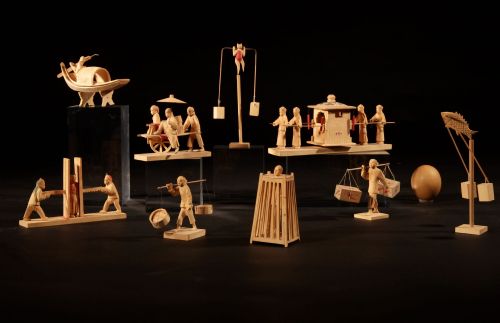
Chinese wooden figurines encompass hand-carved sculptures of deities, fishermen, animals, and daily life scenes spanning the nineteenth and early twentieth centuries. These pieces appear in styles ranging from Qing Dynasty court traditions to expressive folk art interpretations.
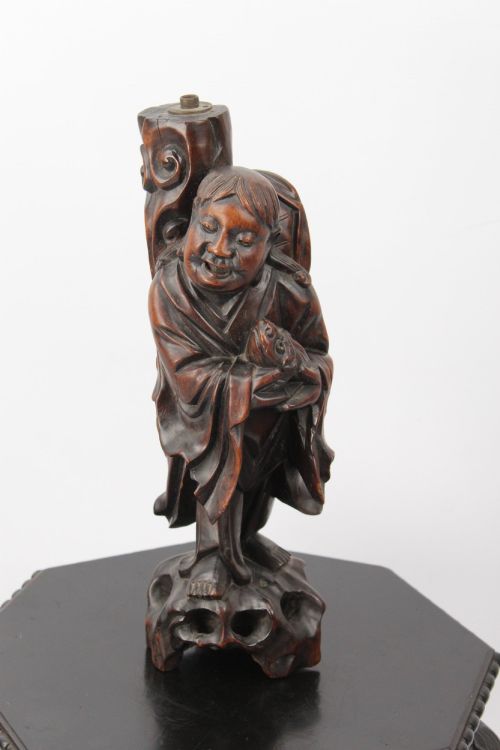
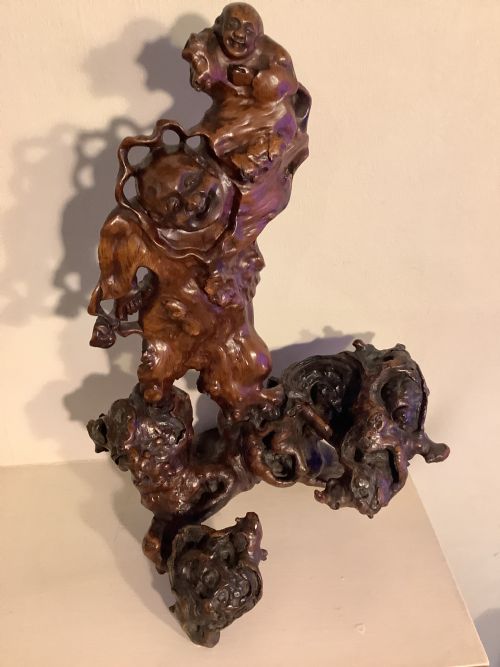
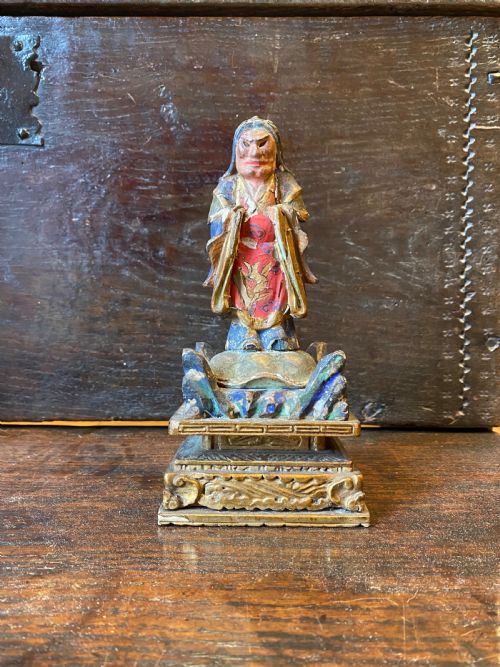
The most common examples encountered here are single figures and pairs carved from dark hardwoods or textured root wood. They depict traditional subjects such as Daoist immortals, water buffaloes, and figures carrying burdens or companions.
Materials and carving techniques
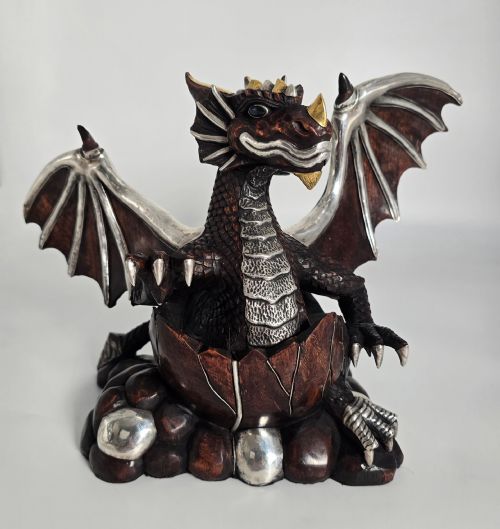
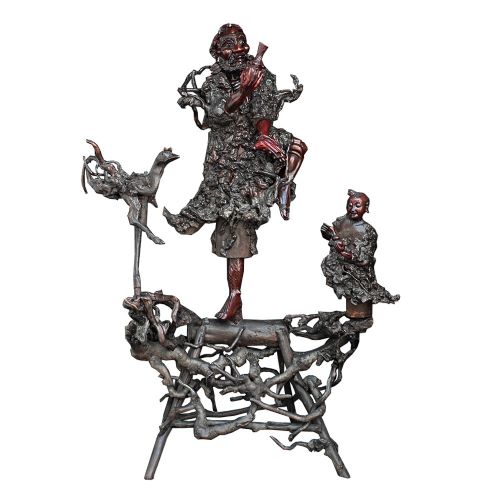
Carvers shaped these objects primarily from dense hardwoods, boxwood, and organic root wood, sometimes incorporating mixed metal mounts, bone, or brass details. The natural grain and gnarled shapes of root wood often dictated the final posture of the figure.
Artisans utilised hand-chiselling techniques to bring out fine details in drapery, facial expressions, and animal forms. Burr root and bamboo were also carved with precision to exploit the natural textures of the plant.
Listings feature items dated across the nineteenth and early twentieth centuries, spanning hardwood, root wood, and bamboo.
Judging the carving and material
Quality separates through the natural movement of the wood and the depth of the hand-carving. Superior pieces utilise the eccentric knots and grain of root wood or hardwood to create dynamic, expressive silhouettes.
Finer examples display careful attention to anatomical proportion and facial detail rather than repetitive, shallow chisel marks. The integration of mixed metal mounts or preserved natural wood shapes further elevates the piece.
The Chinese Wooden Figurines Glossary
- Hardwood
- Dense, slow-growing timber used for detailed carving. It provides a heavy, durable base that takes a smooth polish.
- Root wood
- Timber sourced from the root system of a tree, prized for its gnarled and twisted natural forms. Carvers adapted these organic shapes to depict figures and animals.
- Qing Dynasty
- The final imperial dynasty of China, spanning from the seventeenth to the early twentieth century. Objects from this period often reflect formal court aesthetics or established folk traditions.
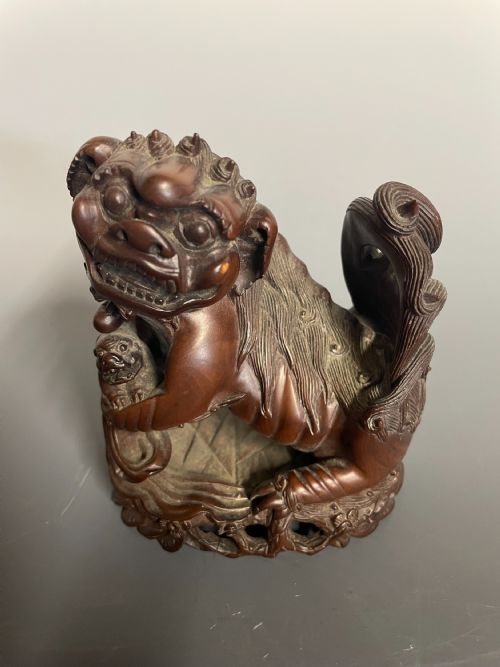
- Foo Dog
- A traditional guardian lion depicted in statuary and carvings. These mythical creatures served as protectors in temples and homes.
- Daoist Immortal
- A figure from Chinese religion and philosophy associated with longevity and spiritual attainment. They frequently appear as subjects in traditional carvings.
Chinese Wooden Figurines: Frequently Asked Questions
What are Chinese wooden figurines?
These pieces are hand-carved sculptures depicting people, animals, and deities from historical periods. They range from natural root wood carvings to detailed hardwood figures.
Craftsmen created them to represent daily life, folklore, and spiritual beliefs using traditional woodworking techniques.
How were root wood carvings made?
Carvers selected gnarled sections of tree roots and worked around the natural twists of the timber. The original shape of the wood guided the final form of the figure.
This method meant every sculpture remained unique, as no two pieces of root wood grew in the exact same pattern.
Where were these carvings displayed?
Figures and animal sculptures were traditionally placed within homes, studies, and temples for decorative or symbolic purposes. Pairs of animals like water buffaloes or mandarin ducks often stood together.
They functioned as auspicious ornaments meant to bring balance, protection, or good fortune to the interior space.