





Oriental Root Wood Statues
Oriental root wood statues are organic Chinese sculptures that celebrate natural gnarled forms, and collectors seek them for their expressive, lifelike carvings.
Oriental Root Wood Statues
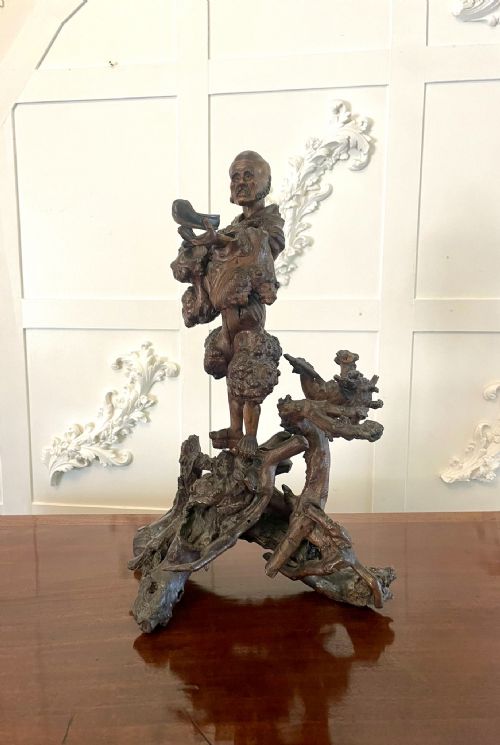
When you search for oriental root wood statues, you are looking at organic Chinese sculptures that use the natural twists of timber to suggest figures, animals, and scholars. These pieces belong predominantly to the nineteenth century, including specific dates from eighteen hundred through to nineteen hundred, and traditional Qing Dynasty aesthetics. The version you are most likely to meet on this page is a nineteenth-century Chinese root carving depicting human figures, scholars, deities, or lion dogs.
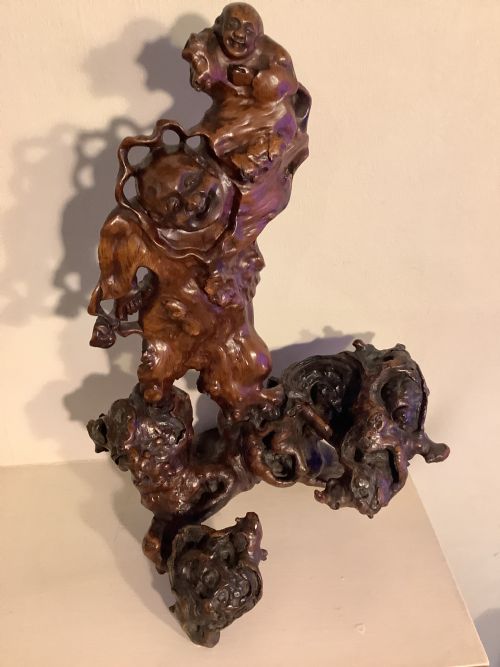
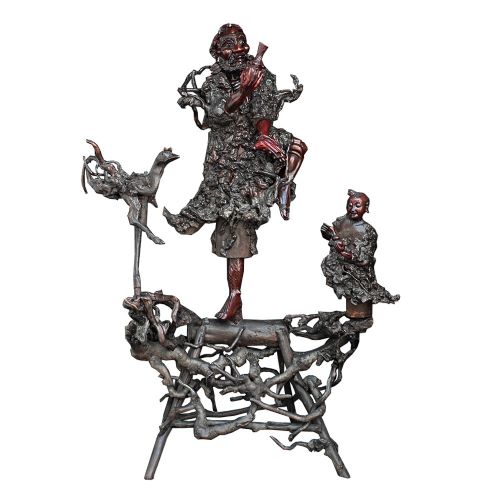
The forms range from single figures like a scholar or a man with a boy on his shoulders to pairs and sets of four. Object types vary across sculptures, wood carvings, and figures, yet all share a foundation in traditional Chinese craftsmanship. These statues capture natural gnarled shapes, transforming raw timber into expressive characters with characterful postures.
How they were made
Makers finished these sculptures to achieve a good patina, highlighting the rich tones of the hardwood and burr wood over decades of handling. Some pieces integrate bamboo and inlaid glass to add textural contrast and expressive eyes to the finished sculpture.
Materials recorded on this site include root wood, burr wood, hardwood, bamboo, bamboo root, and inlaid glass.
What varies in quality
The distinction between average and exceptional pieces lies in how cleverly the carver used the natural gnarled growth of the root wood. Top-tier statues transform awkward, twisting timber into convincing figures without losing the organic integrity of the material. A finer carving displays deep undercutting, expressive facial details, and a rich, lustrous patina.
Proportion and stance also dictate the hierarchy of these sculptures. Pieces that balance dynamic movement, such as a man carrying another figure on his back or shoulders, demonstrate superior artistic ambition. Furthermore, the choice of dense burr wood and heavy hardwood elevates a statue above simpler bamboo or softer wood alternatives.
The Oriental Root Wood Statues Glossary
- Patina
- The soft sheen and deep colour developed on the surface of hardwood and root wood over many decades of handling and ageing. A good patina indicates genuine age and proper care.
- Root wood
- Timber taken from the root systems of trees, prized by carvers for its twisted, gnarled, and unpredictable growth patterns. Artisans used these natural shapes to inspire figurative sculptures.
- Burr wood
- A growth on a tree where the grain has grown in a deformed manner, resulting in swirling patterns and knots. Carvers valued this material for its rich visual texture.
- Foo Dog
- Also known as a lion dog, this mythical guardian creature appears frequently in traditional Chinese sculpture. These figures were carved to ward off evil spirits.
- Qing Dynasty
- The final imperial dynasty of China, spanning from sixteen forty-four to nineteen twelve. Many nineteenth-century root carvings originate from this artistic tradition.
Oriental Root Wood Statues: Frequently Asked Questions
What are oriental root wood statues?
These pieces are nineteenth-century Chinese sculptures carved from gnarled timber, burr wood, and bamboo root. Artisans followed the natural twists of the wood to shape scholars, deities, and lion dogs.
They represent a long-standing tradition of scholar's objects in China, where organic forms were appreciated for their connection to nature and Daoist principles.
How were these statues used?
In historical Chinese interiors, these sculptures served as contemplative objects for scholars and literati. They were displayed on desks and shelves to inspire quiet reflection and appreciation for natural art.
Today, they function primarily as decorative art objects that bring organic texture and historical depth to modern rooms.
How do I live with root wood carvings?
Place these statues away from direct sunlight and extreme temperature fluctuations to protect the dry hardwood and root material. Keeping them on stable surfaces allows their intricate gnarled details to be appreciated from multiple angles.
Dust them gently with a soft, dry cloth rather than using liquid polishes that might damage the historic patina.
How can I tell nineteenth century pieces apart?
Nineteenth-century examples often exhibit dense hardwoods, burr wood, and bamboo roots finished with a deep, warm patina earned over generations. The carving style aligns with Qing Dynasty aesthetics, showing hand-finished tool marks and clever use of natural root formations.
Examining the weight, the density of the wood, and the subtlety of the facial expressions helps distinguish authentic nineteenth-century work from later reproductions.