


Pair Chinese Wood Sculptures
Pair chinese wood sculptures are matched figures carved from dense timber, offering balanced symmetry and traditional craftsmanship for interior display.
Pair Chinese Wood Sculptures
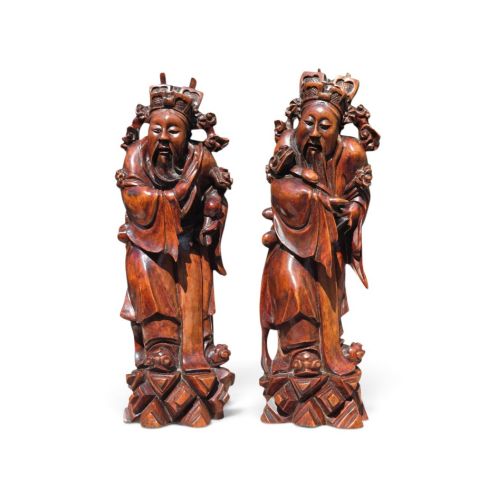
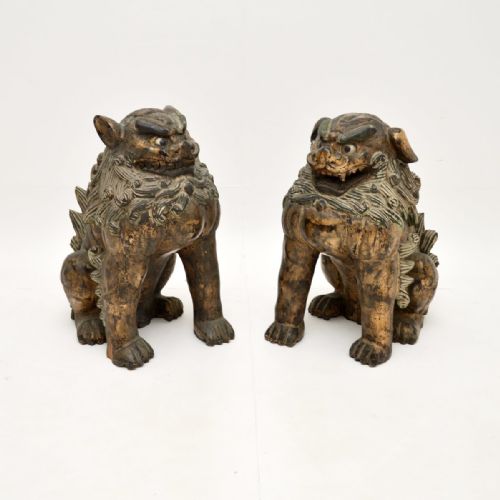
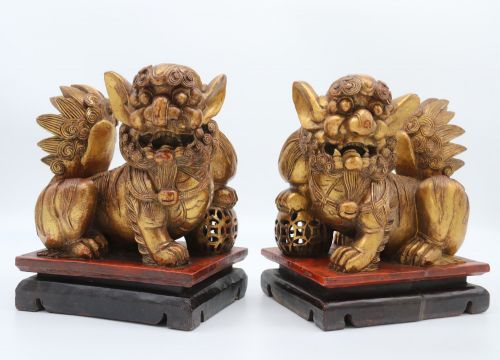
When you search for pair chinese wood sculptures, you encounter matched sets of carved figures, animals, and mythical beasts originating from various periods including the nineteenth century and the Qing dynasty. These dual objects often depict symbolic subjects such as Daoist immortals, Buddhist lions, Foo dogs, water buffaloes, elephants, and Mandarin ducks.
Originating predominantly from the nineteenth century, these sculptures reflect traditional Chinese artistic motifs and regional styles. Buyers find both naturalistic animal depictions and heavily detailed mythological subjects executed in pairs.
How They Were Made
Surface finishes include traditional lacquer and applied gilding over carved wood, enhancing the texture and preserving the timber. Artisans shaped these materials into complex animal forms and human figures using hand-carving techniques handed down through generations.
Materials appearing across the current selection include hardwood, carved wood, bamboo, bone, glass, gilt, lacquer, and polychrome paint.
What Varies in Quality
The distinction between standard and superior pair chinese wood sculptures lies in the depth and precision of the carving, particularly around facial expressions, fur texture, and anatomical proportions. Finer examples display meticulous attention to detail in difficult materials like dense hardwood or brittle root wood.
Preservation of original surface treatments such as lacquer, polychrome paint, and gilding significantly influences the standing of a pair. Additionally, the successful matching of grain patterns and symmetry across both sculptures separates ordinary production from exceptional work.
The Pair Chinese Wood Sculptures Glossary
- Qing Dynasty
- The final imperial dynasty of China, lasting from sixteen forty-four to nineteen twelve. Pieces from this era often exhibit traditional motifs and high standards of carving.
- Foo Dog
- A traditional guardian lion depicted in pairs outside temples and palaces. These mythical beasts symbolise protection and prosperity in Chinese art.
- Hardwood
- Dense, durable timber derived from angiosperm trees. Carvers selected these heavy woods for their ability to hold fine detail and resist splitting.
- Gilt Wood
- Timber decorated with a thin layer of gold leaf or powder. This technique adds luminance and highlights specific areas of the sculpture.
- Lacquer
- A protective and decorative coating derived from tree sap. It hardens into a durable, smooth finish often applied to Chinese woodwork.
Pair Chinese Wood Sculptures: Frequently Asked Questions
What do pair chinese wood sculptures usually depict?
These sculptures typically represent mythological figures such as Daoist immortals and Buddhist lions, alongside symbolic animals like Foo dogs, water buffaloes, elephants, and Mandarin ducks.
Each subject carries specific cultural meanings related to protection, longevity, and auspicious harmony within traditional Chinese artistry.
How do I date a pair of wood sculptures?
Dating relies on examining the tool marks, timber characteristics, wear patterns, and stylistic conventions associated with periods like the Qing dynasty or the nineteenth century.
Changes in surface treatments such as lacquer and gilt also help determine the approximate era of manufacture.
Were these sculptures always displayed together?
Matched pairs were traditionally carved and finished alongside each other to maintain symmetry on altar tables, mantelpieces, or display stands.
Keeping them together preserves their visual balance and the narrative intent of the original commission.
How should I care for carved hardwood sculptures?
Maintain stable indoor humidity levels and keep the timber away from direct sunlight or strong heat sources to prevent the wood from drying out and splitting.
Dust gently with a dry, soft cloth rather than using liquid polishes that might damage antique lacquer or paint.
What is the difference between root carvings and standard hardwood?
Root carvings utilise the natural, irregular contours of tree roots to dictate the final shape of the sculpture, resulting in unique and organic forms.
Standard hardwood pieces are shaped from block timber into precise symmetrical figures like animals or human statues.