




Chinese Style Table Lamp
These chinese style table lamp pieces bring decorative porcelain and lacquer into sitting rooms through centuries of adaptation.
Chinese Style Table Lamp
A chinese style table lamp bridges decorative arts and domestic illumination, drawing upon forms created across the nineteenth and early twentieth centuries. These objects primarily take the shape of converted porcelain vessels, ginger jars, and baluster vases mounted for electricity.
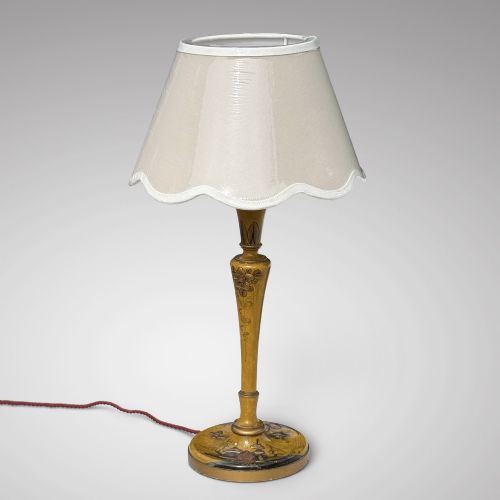
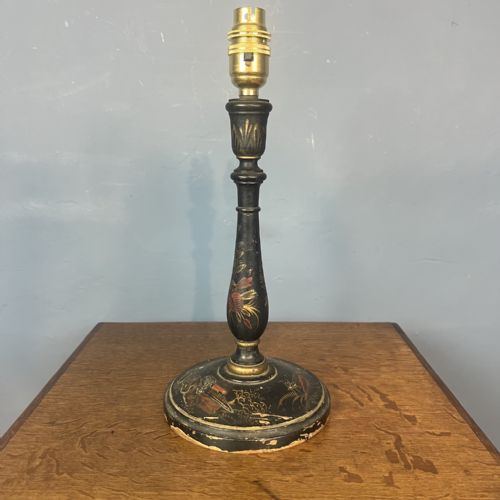
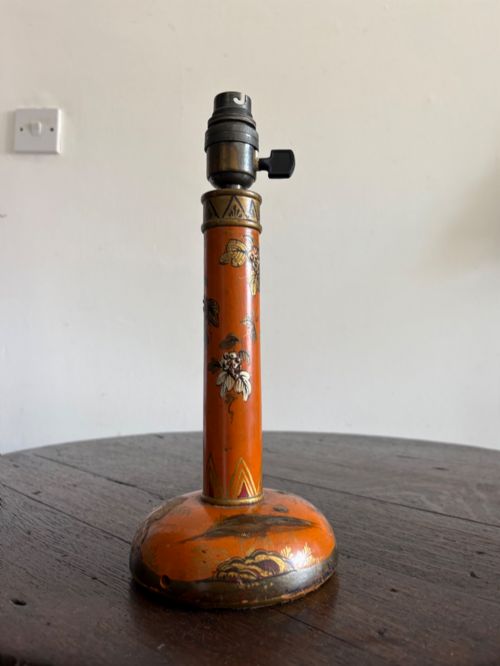
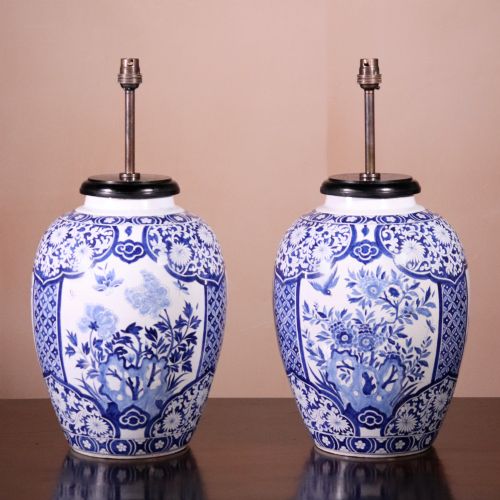
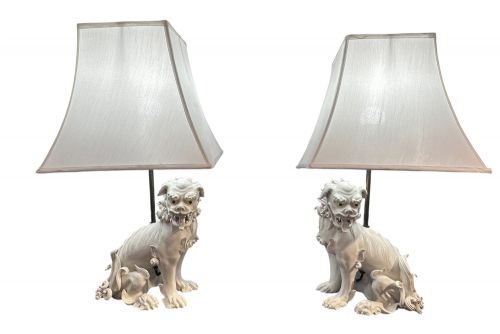
The selection here encompasses items originating from traditional Chinese workshops as well as European interpretations in the Chinoiserie and Chippendale revival tastes. Pieces range from blue and white crackleware and famille verte glazes to lacquered wood surfaces bearing hand-painted motifs.
Materials and Construction
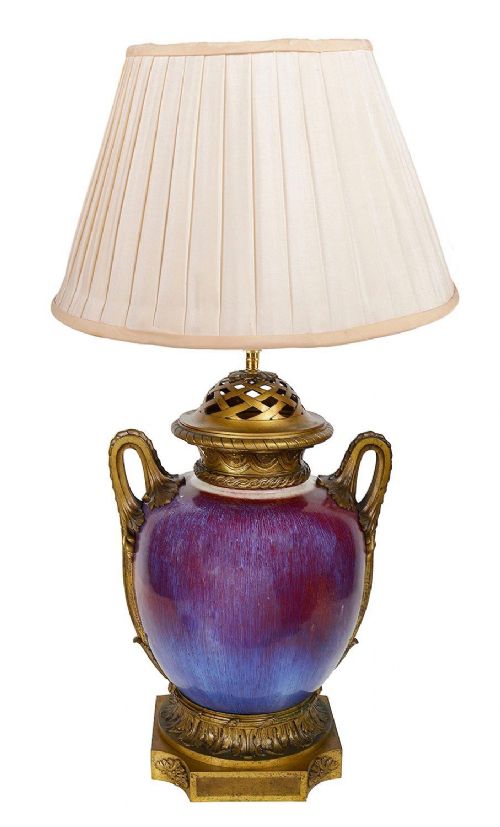
Construction relies heavily on high-fired porcelain and earthenware bodies, often painted with mineral pigments in blue, green, and rose palettes before glazing. Many pieces incorporate mounts of brass, ormolu, or gilt bronze to secure the ceramic body and house electrical components.
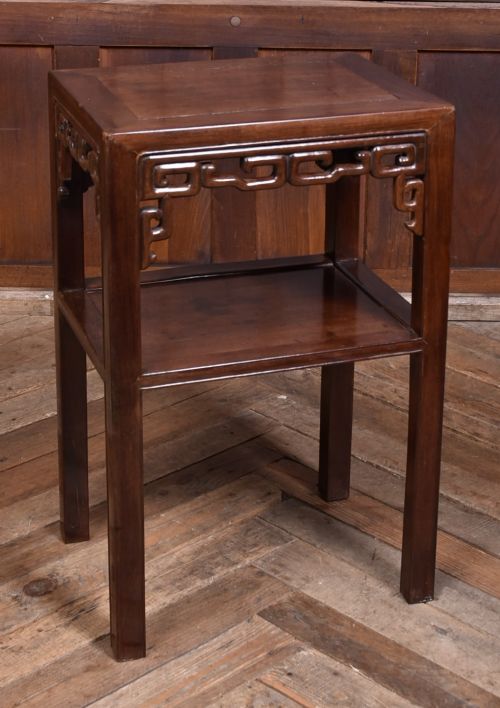
Wooden examples utilise hardwoods, mahogany, or softwoods finished with layers of lacquer in ochre, red, or black. Artisans applied hand-painted details directly onto these lacquered surfaces or carved intricate patterns into the wooden frames.
The listings span the eighteenth to the twentieth centuries, featuring porcelain, brass, lacquer, and hardwood.
Markers of Quality
Quality rests in the precision of the hand-painted decoration and the depth of the glaze, whether dealing with crackleware, famille rose, or monochrome sang de bouf. Finer examples display meticulous brushwork and balanced proportions on the ceramic body or lacquered wooden stand.
The integration of metal mounts also dictates standard; cast ormolu or brass fittings that complement the proportions of the vase elevate the construction. Original surfaces on lacquered wood and well-preserved porcelain glazes distinguish superior items from later adaptations.
The Chinese Style Table Lamp Glossary
- Chinoiserie
- European artistic style reflecting Chinese artistic influences, popular during the eighteenth and early twentieth centuries. It appears frequently on lacquered lamps and occasional furniture.
- Crackleware
- Pottery featuring a network of fine cracks in the glaze deliberately induced during firing. This technique appears on nineteenth-century blue and white vases.
- Ormolu
- Gilt bronze mounts applied to furniture and ceramic bases. These metal fittings add structural support and decorative detail.
- Ginger Jar
- Storage jar with a wide mouth and bulbous body, frequently converted into domestic lighting. These jars often feature blue and white or famille rose painting.
Chinese Style Table Lamp: Frequently Asked Questions
What is a chinese style table lamp made from?
These lamps incorporate materials such as porcelain, ceramic, hardwood, brass, and silk. Many examples utilise converted antique vases fitted with metal bases and wiring.
Wooden variations employ lacquered surfaces and hand-painted details. Metal mounts in brass or gilt bronze frequently secure the ceramic bodies.
How do I date a chinoiserie lamp?
Dating relies on examining the materials, wiring methods, and ceramic characteristics. Nineteenth-century pieces often display hand-thrown porcelain bodies with traditional glaze variations.
Early twentieth-century items frequently show Edwardian or 1920s lacquer techniques. Rewiring is common for safe modern use while retaining the older body.
Were these lamps originally made for lighting?
Most ceramic components began as vases, ginger jars, or temple vessels rather than lighting fixtures. Artisans later converted these vessels into lamps by drilling the base or adding fittings.
Some wooden stands and specific pagoda shapes were designed from inception as lamp tables or decorative supports.
How do I clean a lacquered lamp?
Dusting with a soft, dry cloth preserves the lacquered wooden surface and painted details. Moisture and harsh cleaning agents damage aged lacquer and delicate pigments.
Porcelain sections tolerate gentle wiping with a damp cloth. Metal mounts benefit from dry polishing to avoid staining adjacent ceramic or wood.