
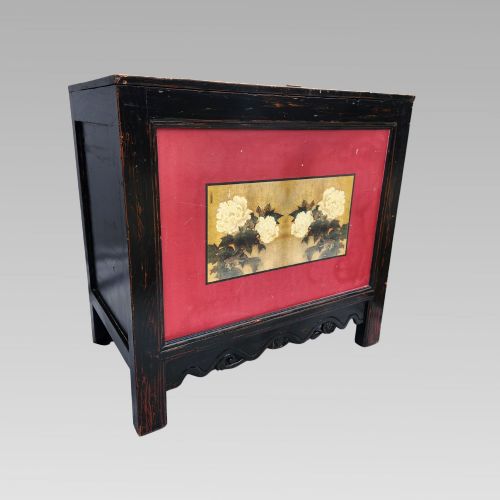


Chinese Storage Trunk
A chinese storage trunk offers deep utility and rich historic character, bringing aromatic wood or decorated lacquer into a room.
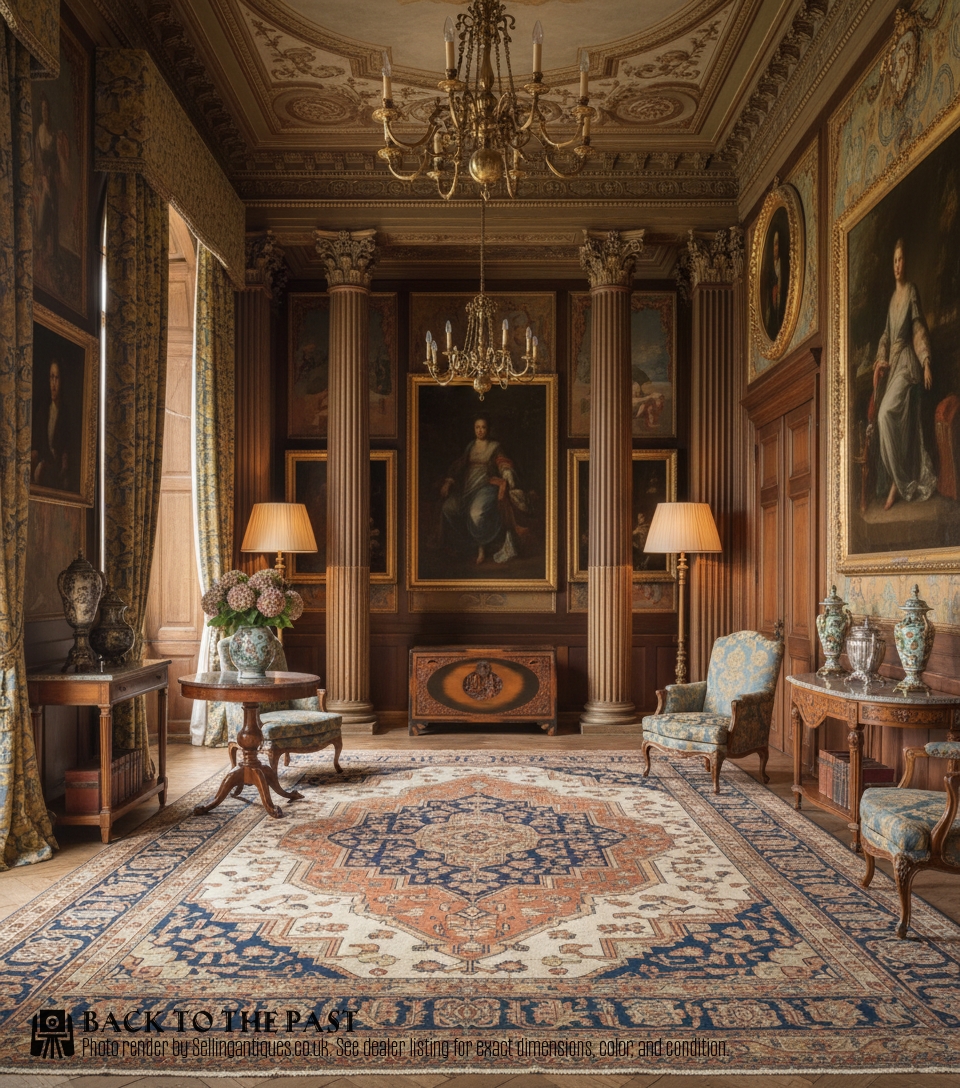
Chinese Storage Trunk
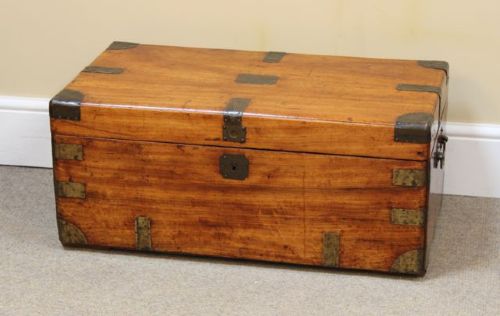
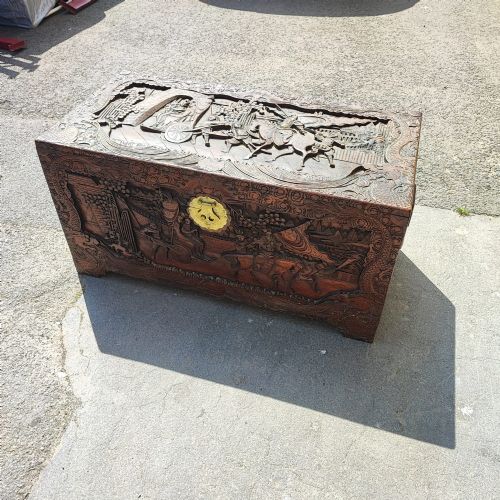
A chinese storage trunk is a substantial receptacle designed for domestic utility and travel, appearing primarily as camphor wood chests, blanket boxes, and leather-covered luggage pieces. These forms bridge the functional requirements of domestic storage and the portable demands of trade.
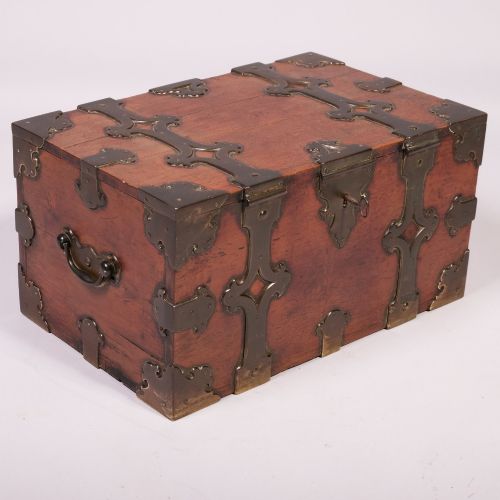
The most common examples encountered in this selection date from the nineteenth century and the early decades of the twentieth century. Pieces range from plain utilitarian campaign boxes to heavily carved camphorwood chests and decorated lacquer coffers.
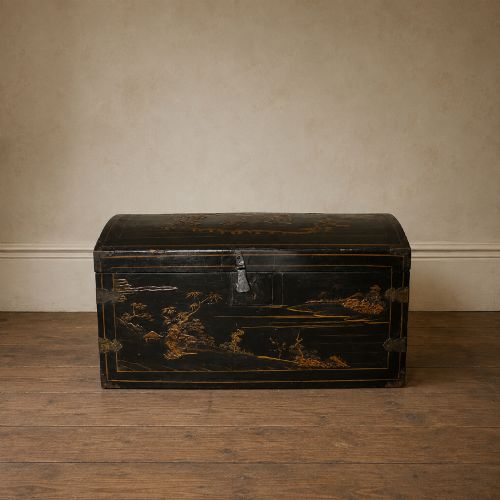
Makers and workshops produced these items for domestic use and for the China Trade, creating variations such as export black lacquer domed chests and painted leather trunks. The stylistic vocabulary spans traditional regional work, Qing dynasty aesthetics, and Anglo-Chinese colonial designs.
What varies in quality in a chinese storage trunk
The standard of carving and surface decoration distinguishes the workmanship, separating sharply rendered floral motifs and well-preserved lacquer from simpler, flat surfaces. The crispness of the brass or iron mounts and the integrity of the original hinges and locks also indicate the original grade of manufacture.
Condition of the underlying wood and leather surfaces dictates the integrity of the piece, particularly where shrinkage or historic repairs affect the lid and corners. Original pigment, intact lacquer, and retaining structural timber elevate the standing of a box above examples with heavy replacement surfaces.
Listings feature pieces spanning from the eighteenth century through the 1930s, constructed in camphor wood, lacquer, leather, and brass.
The Chinese Storage Trunk Glossary
- Camphor wood
- An aromatic timber native to Asia, prized for its insect-repellent qualities and durability in storage furniture. It forms the primary material for the majority of these chests.
- China Trade
- The commerce conducted between China and Western nations from the eighteenth to the twentieth centuries, which produced goods specifically adapted for export taste. Export pieces often combined traditional construction with Western luggage formats.
- Campaign trunk
- A portable chest built for travel, featuring robust brass or iron mountings and corner brackets to withstand transit. These pieces were designed to be easily moved by handlers.
- Lacquer
- A durable finish applied in multiple layers using natural tree sap, then cured and frequently decorated with gilt or pigment. Black and red lacquer finishes are typical of export and regional pieces.
- Coffer
- A heavy, deep chest traditionally used for storing valuables, linens, or documents. These objects often display earlier construction methods and solid wood framing.
Chinese Storage Trunk: Frequently Asked Questions
How were these trunks used originally?
These trunks served primarily for storing garments, blankets, and valuable textiles, protecting them from dampness and insects through the natural properties of camphor wood. Many also functioned as luggage for merchants and travellers during voyages.
In contemporary interiors, their robust construction allows them to double as low coffee tables or deep storage furniture at the foot of a bed.
How do I tell an 18th-century trunk from a 19th-century one?
Eighteenth-century examples often exhibit simpler, heavier hardwood construction with minimalist brass mounts and subtle proportions. Nineteenth-century pieces frequently introduce heavier hand-carved relief work, campaign hardware, and lacquer finishes.
Examining the tool marks, joinery inside the carcass, and the specific patina of the brass assists in separating earlier trade pieces from later colonial and regional production.
Can I use a camphor trunk as a coffee table?
Their flat lids and stable proportions make them suitable for use as coffee tables in a living space. The internal depth provides hidden storage for everyday items.
Care should be taken with the surface finish, using coasters and pads to protect lacquer, leather, or carved wood from heat and moisture.