




Chinese Scholar Studio Object
A chinese scholar studio object brings the quiet refinement of traditional literary life to a desk through small, tactile pieces made for writing and contemplation.
Chinese Scholar Studio Object
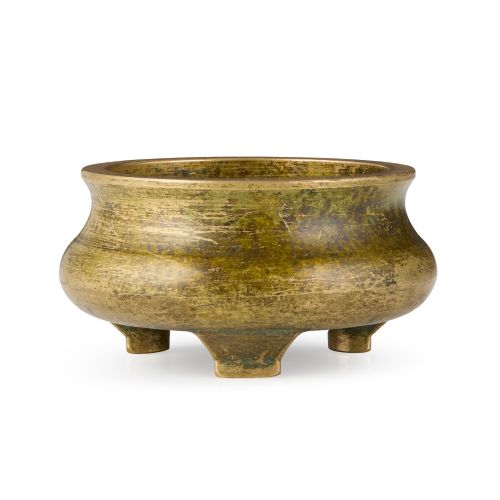
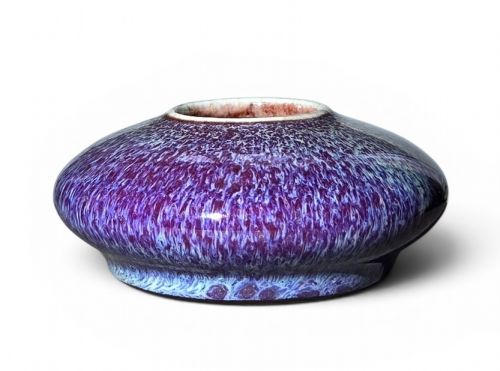
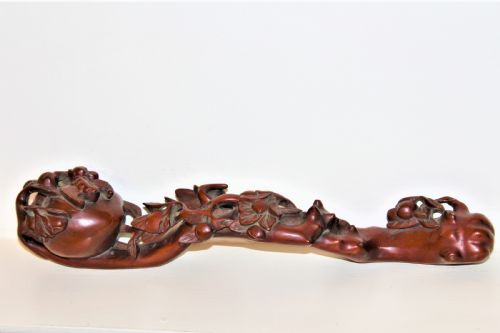
A chinese scholar studio object encompasses utility and display pieces designed for historical literati desks, spanning eras from the Ming dynasty through the Qing dynasty and into the Victorian period and nineteen-twenty. The selection here centres heavily on brush pots, incense burners, and brush washers, alongside carvings and sculptures, paperweights, framed wall art, and sceptres.
Materials range widely across the items shown, featuring hard wood, boxwood, bamboo, buffalo horn, bronze, porcelain, and various forms of jade including celadon and nephrite. Pieces emerge from distinct stylistic traditions, including Chinese Qing style, Chinese imperial style, and Chinese decorative art.
The most common formats met on this page are brush pots and brush washers, reflecting the central role of calligraphy and painting in the traditional scholar's studio. These objects combine utilitarian function with subtle artistry, designed to be handled daily during study and meditation.
Materials and technique
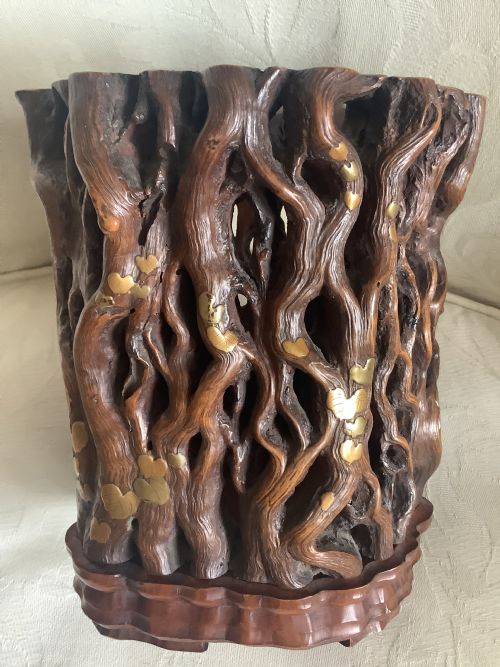
Carving serves as the primary method for organic materials, evident in intricately worked boxwood, bamboo, buffalo horn, and hard wood pieces. Artisans shape these woods and horn to follow naturalistic forms or depict figures such as sages and reposing boys.
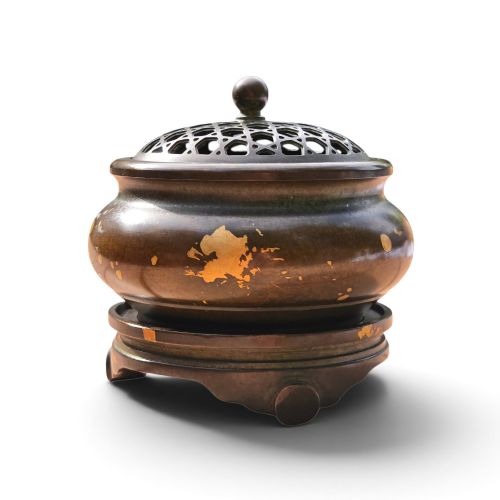
Metalworking and ceramics dominate the hard-material pieces, utilising solid-cast bronze with selective fire-gilding, gold-splashed surfaces, and porcelain with famille rose, flambé, and blue and white glazes. Bronze items frequently incorporate studio marks and possess heavy walls with fine patination.
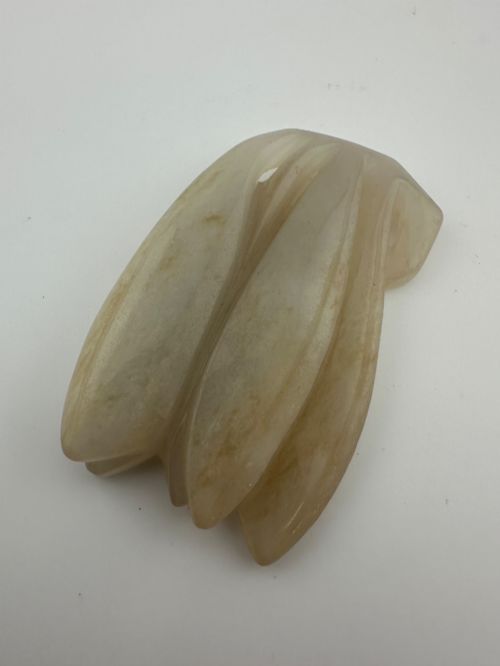
Lapidary techniques shape jade materials into pale celadon and russet carvings, including cicadas and brush washers, showing controlled reduction of tough stone. Stonework also extends to ornamental ink stone display sets and carved seals.
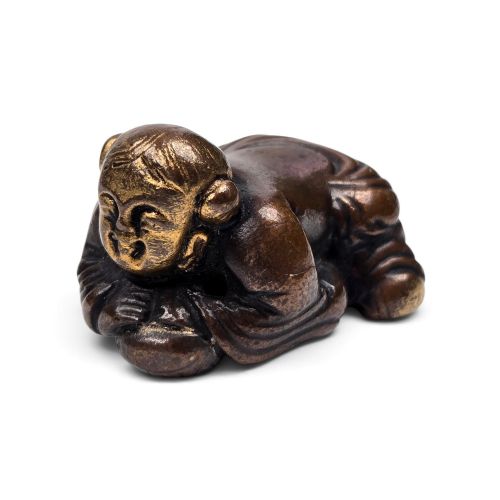
Among the scholarly tools sits a reclining boy paperweight, offering a momentary pause of childish idleness amidst the serious pursuits of ink and brush.
Evaluating craftsmanship
Quality rests in the precision of the carving and the integrity of the material, whether examining the depth of relief on a bamboo brush pot or the smoothness of jade polish. Superior examples display confident handling of form, such as naturalistic boxwood lines or clean casting on bronze censers.
The presence of imperial-quality glazes, fine patination on bronzes, and well-rendered figural scenes elevate certain pieces above standard decorative wares. Marks, such as a 'Ya Tang Qing Wan' studio mark, add specific context that signals careful workshop production.
Condition and tactile appeal dictate the desirability of each desk item, where a harmonious balance between material grain, weight, and sculptural detail distinguishes finer scholarly pieces from simpler iterations.
The Chinese Scholar Studio Object Glossary
- Bitong
- A traditional Chinese brush pot used to hold writing brushes on a scholar's desk. These cylindrical containers appear in materials such as porcelain, bamboo, and hardwood.
- Censer
- A vessel designed for burning incense during quiet contemplation or study. These pieces are frequently cast in bronze with tripod feet and matching covers.
- Celadon jade
- A pale green jade variety prized for its soft tone and smooth texture. It is often carved into small fauna, figures, or utilitarian desk items.
- Ruyi sceptre
- An ornamental serpentine object symbolising power and good fortune. They are carved from materials like boxwood in naturalistic or symbolic forms.
- Zhenzhi
- A scholarly desk paperweight used to hold paper flat during writing or painting. These items often take figural forms such as reclining boys.
Chinese Scholar Studio Object: Frequently Asked Questions
What is a scholar studio object?
These pieces are functional and decorative items created for the desks of traditional Chinese scholars, poets, and painters. They include tools for writing, painting, and burning incense.
Items range from brush pots and washers to paperweights, censers, and carved figures, all intended for daily use in study and meditation.
How were brush pots used?
Brush pots sat upon the literati desk to hold calligraphy brushes upright when not in use. Keeping brushes organised prevented damage to the delicate animal hair tips.
They also served as decorative focal points on the desk, showcasing the owner's taste through carved bamboo, hardwood, porcelain, or jade.
What materials are most common?
Organic materials like hardwoods, boxwood, bamboo, and buffalo horn appear frequently, shaped through detailed hand carving. These give a warm, tactile quality to the desk.
Mineral materials are also prominent, including cast bronze, porcelain with various glazes, and celadon or nephrite jade fashioned into washers and carvings.
How do I care for these pieces?
Care depends entirely on the specific material of the object. Wood, horn, and bamboo benefit from stable indoor humidity and gentle handling to preserve the natural patina.
Jade, bronze, and porcelain require minimal maintenance beyond dusting and avoiding abrasive cleaners that could damage patinas, glazes, or fine surface details.
How can I tell periods apart?
Periods are identified through a combination of material choices, manufacturing techniques, stylistic traits, and occasional reign or studio marks. Ming pieces and Qing dynasty items often display specific casting styles or glaze types.
Later Victorian or early twentieth-century examples incorporate distinct manufacturing traces or stylistic crossovers reflecting global trade and taste.