





Qing Dynasty Celadon Nephrite
Qing dynasty celadon nephrite carvings are tactile masterworks of soft green stone, prized for their subtle colour and intricate subject matter.
Qing Dynasty Celadon Nephrite
When you search for qing dynasty celadon nephrite, you encounter small-scale sculptural objects shaped from pale green mineral blocks. The examples available span various centuries, including items from the eighteenth and nineteenth centuries alongside later twentieth-century interpretations.
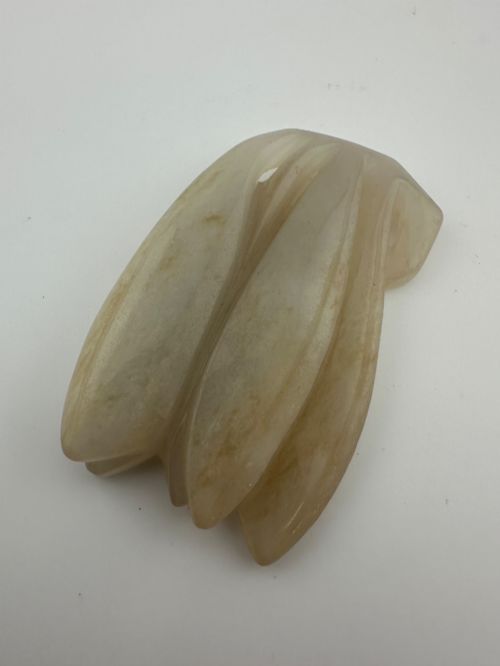
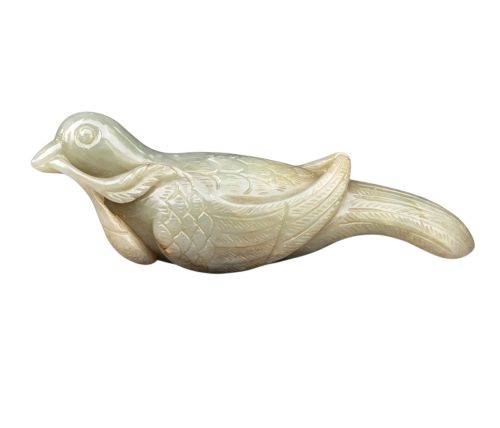
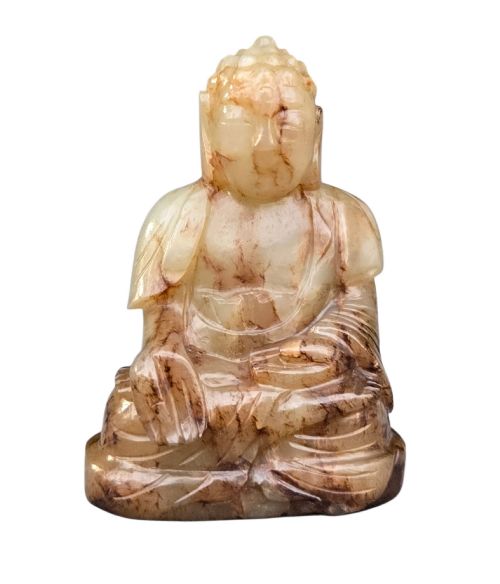
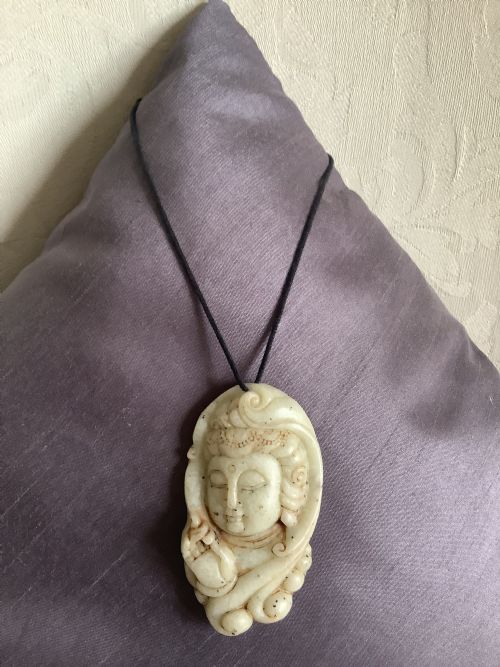
Most pieces take specific functional or decorative forms such as brush washers, lotus-form cups, mountain landscape sculptures, and animal carvings. A collector finds subjects ranging from cicadas and water birds to seated figures and mythological motifs, frequently accompanied by fitted hardwood stands.
How they were made
The objects are carved from hard minerals including nephrite, jadeite, and general hardstone, relying on the natural pale green or celadon tones of the material. Artisans worked dense stone into intricate three-dimensional shapes, utilising the contrasting russet skin of the boulder where present.
Makers shaped these intricate motifs through painstaking abrasion and polishing techniques rather than simple casting. Finished sculptures often sit upon custom-carved hardwood bases that complement the organic contours of the stone.
Several small animals hide within the stone, including a cicada, a water bird, and a tiny boy holding a bird's nest.
What varies in quality
Quality rests upon the handling of the natural material and the depth of the carving. Superior items display a harmonious integration of the stone's colour variations with the sculptural subject.
Technical execution distinguishes finer examples through clean undercut details and polished surfaces. The sensitivity of the carving brings life to small subjects like birds, insects, and human figures.
The Qing Dynasty Celadon Nephrite Glossary
- Celadon
- A pale green glaze or stone colour reminiscent of jade. It ranges from very pale grey-green to deeper olive shades.
- Nephrite
- A compact, tough amphibole mineral that forms one of the two distinct species of jade. It resists fracturing due to its interlocking fibrous crystal structure.
- Brush washer
- A small vessel used in East Asian calligraphy for rinsing brushes. These often take organic forms inspired by lotus leaves or natural basins.
- Hardwood
- Dense timber used to create custom display stands for carvings. These stands are typically carved to match the exact contours of the stone object.
Qing Dynasty Celadon Nephrite: Frequently Asked Questions
What is celadon nephrite?
Celadon nephrite refers to dense amphibole stone displaying characteristic pale green tones. The material served as the primary medium for Imperial and scholarly carvings.
Artisans utilised the natural colour gradients of the mineral to enhance the visual depth of figurative and landscape sculptures.
How were these carvings used?
Many objects served functional roles on scholar's desks, including brush washers and libation cups for ink work. Other pieces functioned purely as contemplative decorative ornaments.
Their tactile qualities meant handlers touched and rotated them during quiet study or meditation.
How do I date these pieces?
Dating relies on stylistic conventions, carving depth, and the specific treatment of motifs such as animals or deities. Eighteenth-century examples often display confident, restrained lines compared to later periods.
Material analysis and comparisons with dated imperial pieces help establish accurate timelines for individual sculptures.
Why do some have stands?
Fitted wooden bases elevate the sculpture and complement the organic shape of the nephrite. These stands were custom-made from dense timbers to secure irregular mineral forms.
They protect the underside of the carving while providing a stable presentation base for display.