




Pale Jade Carving
These pale jade carving examples span centuries of master lapidary work, prized for their subtle colouration and intricate detail.
Pale Jade Carving
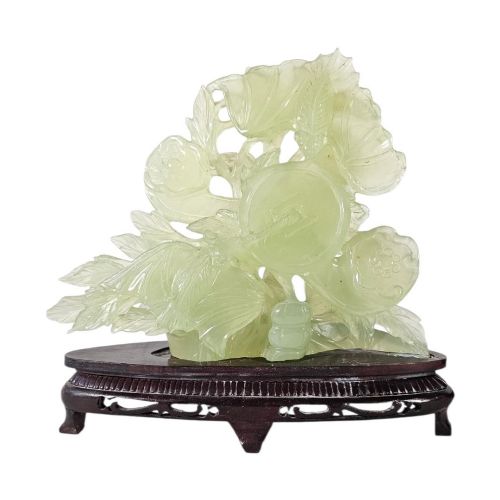
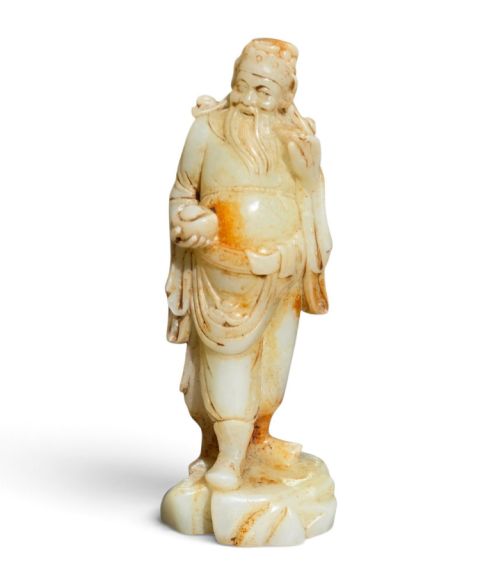
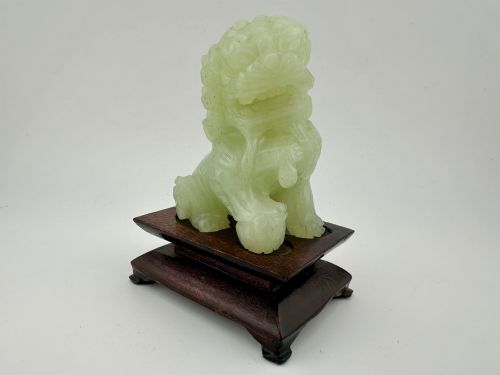
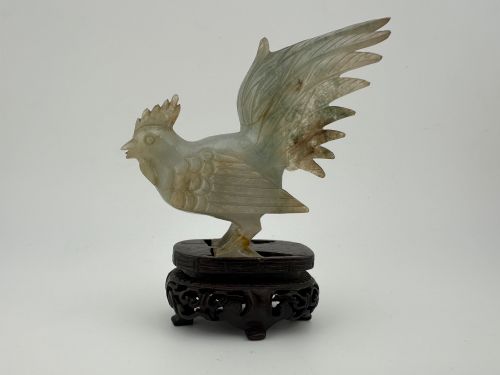
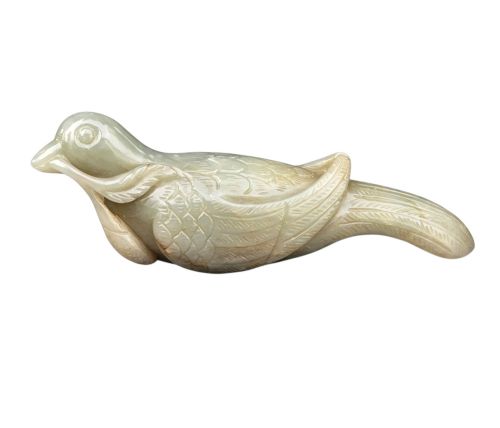
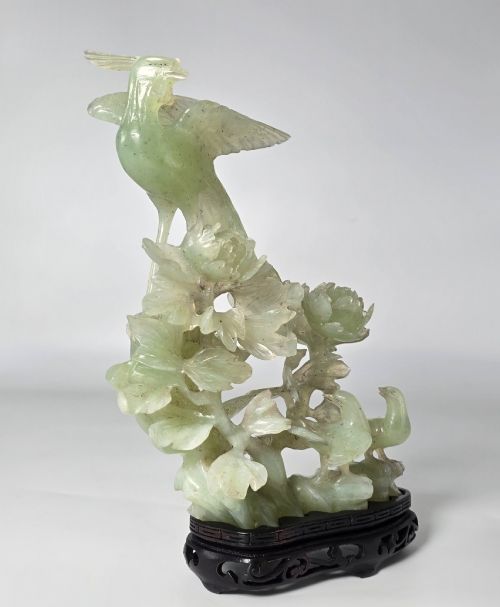
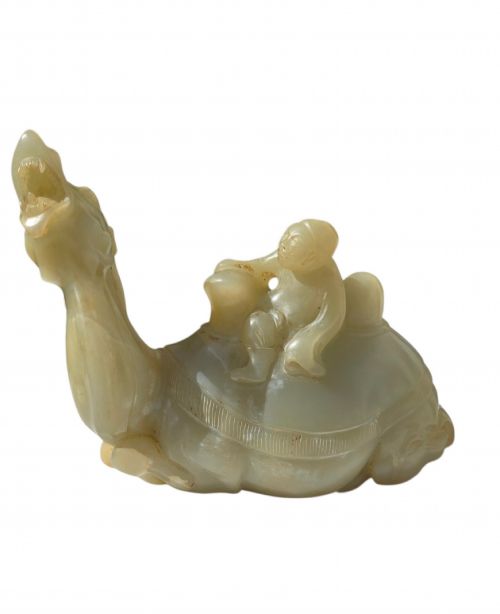
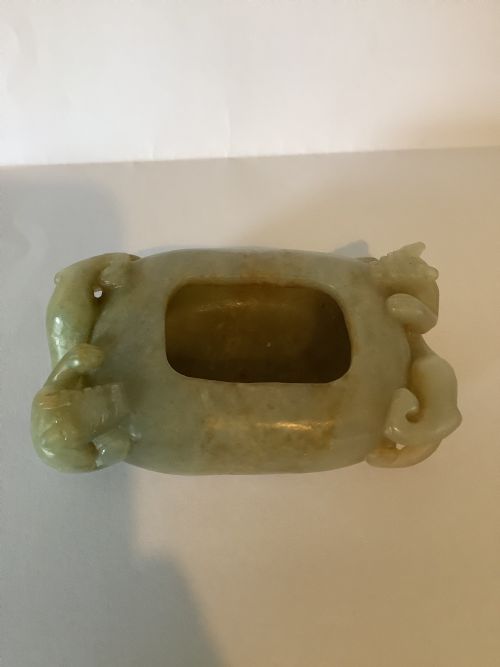
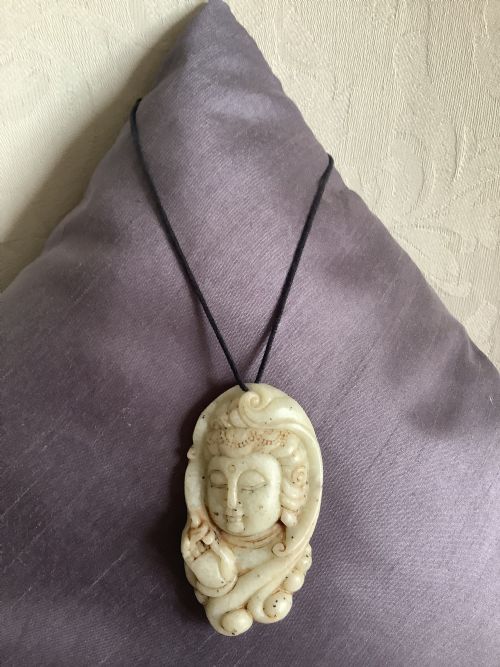
A pale jade carving encompasses functional scholarly items and decorative figures shaped from nephrite and jadeite. Pieces range from brush washers and belt buckles to figural sculptures of immortals, guardian lions, and water birds.
The objects originate across multiple periods including the Ming and Qing dynasties, alongside later Republic era and twentieth-century interpretations. Collectors frequently encounter smaller pendants alongside larger mountain landscape sculptures paired with hardwood stands.
Imperial-style works and scholar's pieces dominate the aesthetic, reflecting traditional Chinese motifs and naturalistic forms. Each item showcases the distinct tonal qualities of celadon, pale green, and white nephrite or jade.
Materials and methods
Lapidaries shaped these items primarily from nephrite and jadeite, utilising abrasive sands and rotating tools to cut the dense stone. The natural mineral structure demanded immense patience, as craftsmen ground away unwanted material over many months.
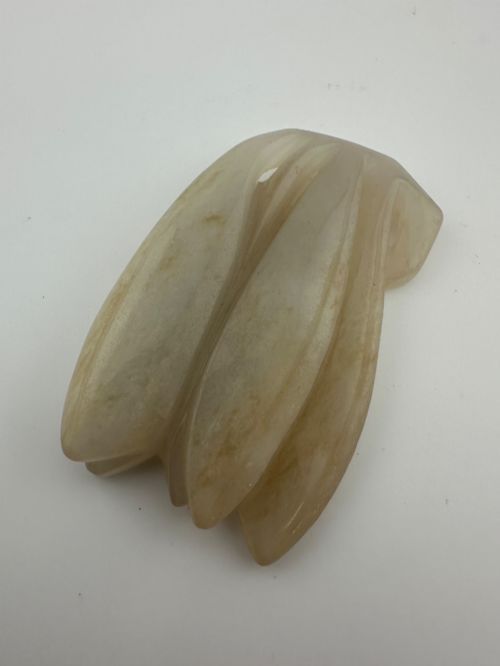
Makers incorporated russet skins and natural inclusions into the design, turning raw blemishes into intentional artistic details. Finished carvings frequently received extensive polishing to achieve a smooth, tactile surface that highlights the translucency of the pale stone.
Pale Jade Carving Retail Price Guide 2026
Typical asking prices for pale jade carving among the pieces listed under this phrase on Sellingantiques today, from the lower quarter to the upper quarter. They describe what is for sale here now, not the wider market.
Listings feature items spanning the sixteenth century through the mid-twentieth century, utilising nephrite, jadeite, and serpentine materials.
Assessing quality and execution
Depth of relief and undercut detailing distinguish masterworks from simpler commercial outputs. The crispness of the carving lines and the anatomical accuracy of figures or animals reveal the hand of a skilled artisan.
Material selection dictates much of the inherent value, particularly the evenness of the pale celadon or white tone and the absence of undesirable fractures. Integration of natural russet markings to accentuate the subject matter demonstrates superior design judgment.
The Pale Jade Carving Glossary
- Nephrite
- A dense, tough amphibole mineral utilised for historical Chinese carvings. It resists fracturing better than jadeite and exhibits a greasy lustre.
- Celadon
- A pale grey-green glaze or stone colour historically imitated and prized in Asian art. This tone occurs naturally in certain iron-bearing nephrite deposits.
- Brush washer
- A vessel used by scholars to clean ink brushes. These items often feature naturalistic motifs such as lotus forms or carved foliage.
- Hardwood stand
- A bespoke wooden base created to support sculptural jade pieces. These stands are traditionally carved from dense timber to complement the stone artwork.
Pale Jade Carving: Frequently Asked Questions
How do I care for pale jade?
Clean the stone gently using a soft cloth and warm water without harsh chemical detergents. Avoid exposing mounted pieces with diamonds or organic materials to ultrasonic cleaners.
Store carvings away from direct sunlight and sudden temperature shifts to protect the natural mineral structure and any associated wooden stands.
How are dynasties identified?
Dating relies on stylistic conventions, carving depth, motif selection, and the specific tonal quality of the mineral. Ming and Qing pieces often display robust forms and specific religious or natural iconography.
Later Republic period works introduce transitional manufacturing techniques while maintaining traditional forms and subject matter.
Can I wear jade pendants daily?
Nephrite and jadeite possess high physical toughness, making them resilient for regular wear as pendants or belt buckles. Platinum and precious metal settings require standard periodic checks by a jeweller.
Care should be taken to prevent heavy impacts against hard surfaces despite the inherent durability of the carved stone.