





Chinese Celadon Carving
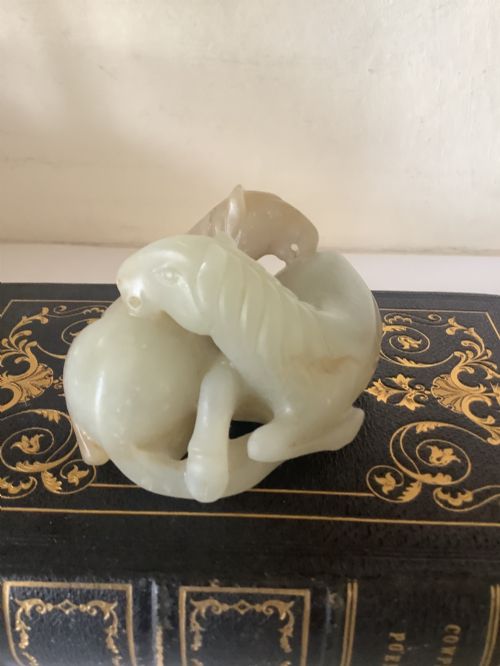
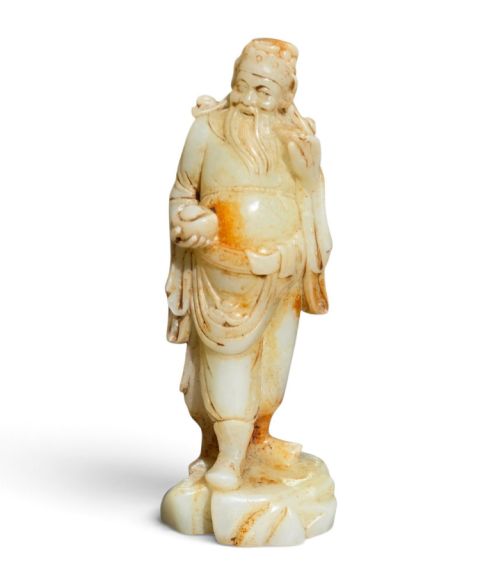
These pieces of Chinese celadon carving encompass centuries of jade, hardstone, and stoneware sculpture.
Chinese Celadon Carving
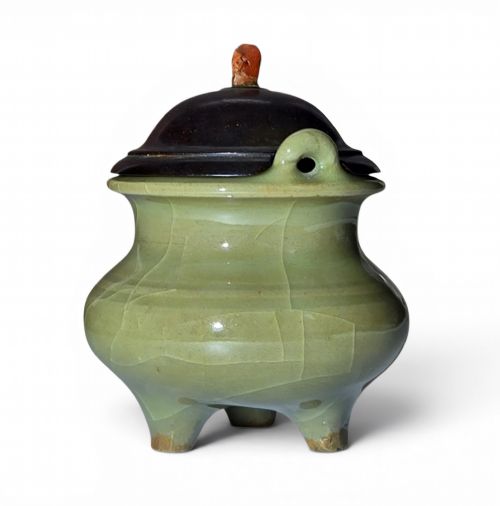
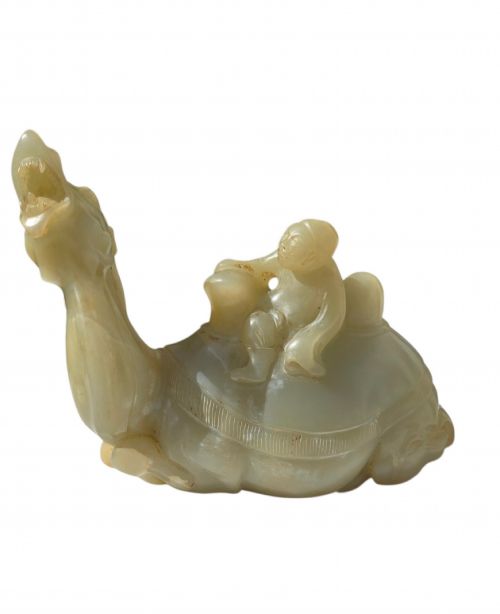
When you examine a Chinese celadon carving, you look at objects ranging from utilitarian vessels and scholarly table items to free-standing animal and human sculptures. The phrase covers both jade and hardstone sculptures as well as glazed ceramic wares spanning from the Song and Ming dynasties through the Qing dynasty and the Republic period.
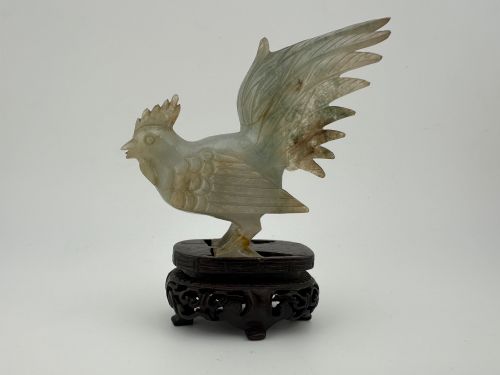
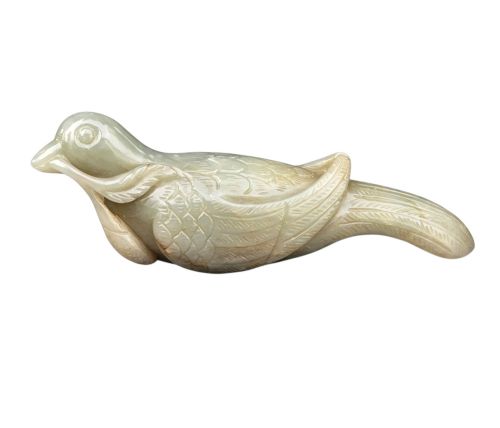
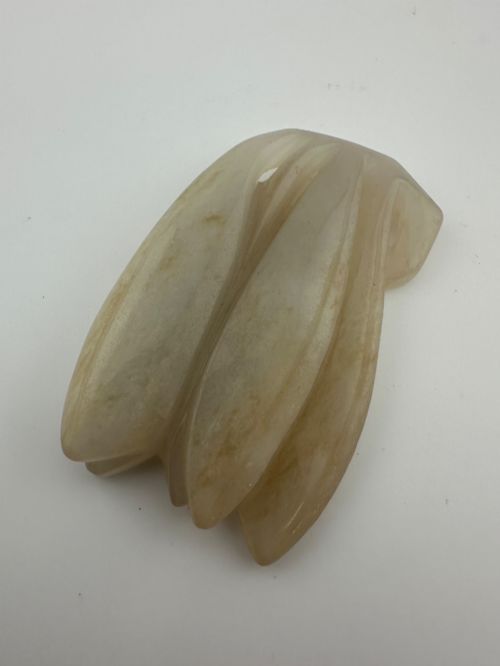
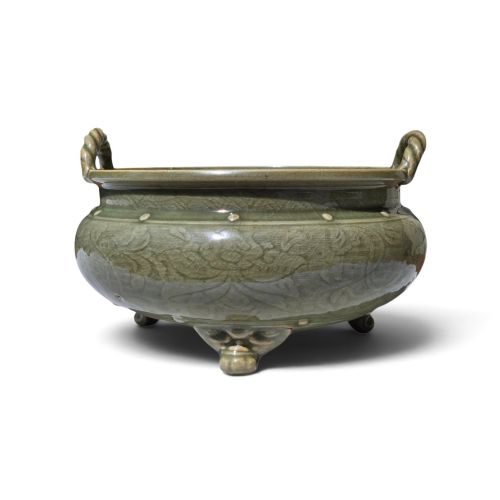
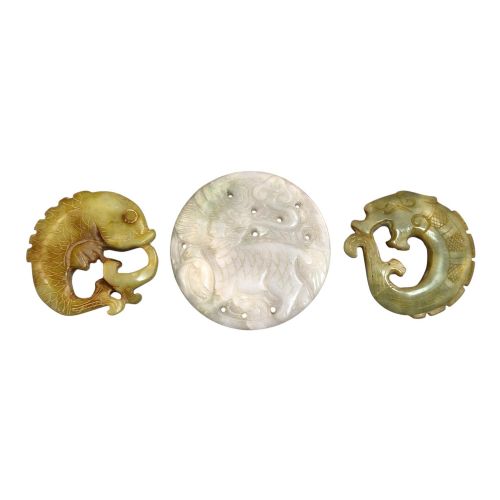
On this page, the pieces you meet most frequently take the form of small figural carvings, pendants, censers, and vases in various shades of pale green or celadon. These examples include scholarly items like brush washers and water birds alongside larger sculptural groups mounted on custom hardwood stands.
How They Were Made
The objects listed rely primarily on mineral materials such as nephrite jade, jadeite, bowenite serpentine, and hardstone, alongside stoneware bodies finished with celadon glazes. Artisans shaped these dense materials through grinding, drilling, and abrasive polishing rather than simple casting or cutting.
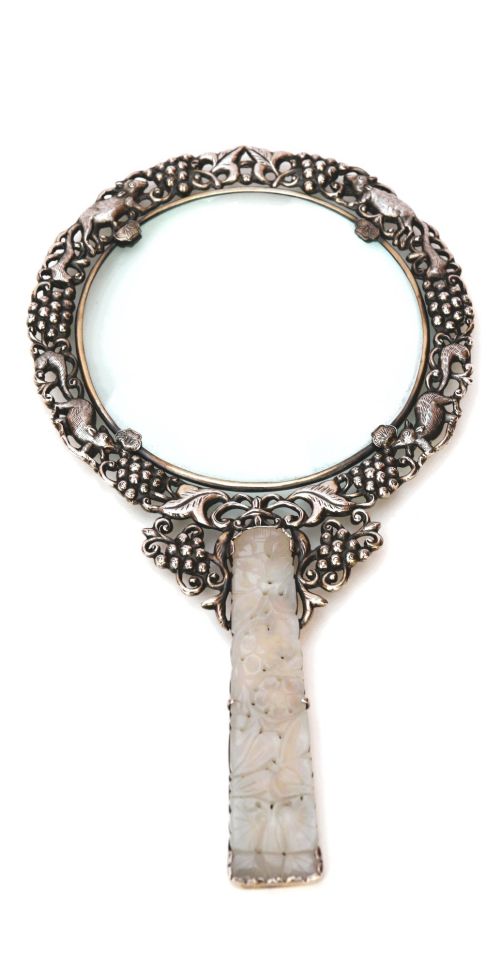
Organic additions like bespoke hardwood stands - sometimes utilising zitan - frequently accompany the stone and ceramic bodies. Metal elements such as silver appear in utilitarian items like magnifying glasses, pairing with the carved stone components.
Chinese Celadon Carving Retail Price Guide 2026
Typical asking prices for chinese celadon carving among the pieces listed under this phrase on Sellingantiques today, from the lower quarter to the upper quarter. They describe what is for sale here now, not the wider market.
Listings feature materials spanning jade, jadeite, nephrite, hardstone, stoneware, and hardwood.
What Varies in Quality
Quality rests upon the natural material's colour distribution and the skill evident in the carving's depth and undercut detail. Finer works display an intentional use of russet inclusions within the stone, whereas lesser examples show flat colour and rigid line work.
The integration of the object with its support structure also separates standard examples from exceptional ones. Masterpieces of carving maintain fluid proportion across complex subjects like riders, animals, and mountain landscapes.
The Chinese Celadon Carving Glossary
- Celadon
- A term describing both a green ceramic glaze and pale green jade stones. It originates from historic Chinese kilns such as Longquan.
- Nephrite
- A compact amphibole mineral used extensively in traditional Chinese carving. It yields a tough, fibrous medium capable of holding intricate detail.
- Bi disc
- A flat circular jade object with a circular hole in the centre. Historically utilised as a ritual item in ancient China.
- Zitan
- A dense, dark wood prized for bespoke stands and covers. Craftsmen valued it for its heavy weight and fine grain.
- Censer
- A vessel designed for burning incense during ceremonial or scholarly pursuits. Examples in this field appear in bronze, stone, and celadon ceramic forms.
Chinese Celadon Carving: Frequently Asked Questions
How do I care for a jade carving?
Dust the surface gently with a soft dry cloth and avoid harsh chemical cleaners that might affect the stone or any natural inclusions.
Keep the piece away from sudden temperature fluctuations and direct sunlight to protect both the mineral and any associated hardwood stands.
What is the difference between jade and celadon?
Jade is a hard mineral substance like nephrite or jadeite carved into three-dimensional sculptures, pendants, and vessels. Celadon primarily denotes a historic green ceramic glaze applied to stoneware bodies, though the term also describes pale green jade tones.
Ceramic celadon pieces rely on kiln-fired glazes over clay, whereas jade objects are carved directly from solid stone using abrasive techniques.
How were these stone carvings displayed?
Many scholarly items and small sculptures sat upon desks or within studies alongside brushes and books. Larger figural groups and vessels frequently rested on custom-made hardwood stands designed to complement the contours of the stone.
Some specialised items, such as vases, were later adapted into table lamps while retaining their carved bodies.
Can I identify the dynasty from the carving style?
Stylistic markers such as the representation of mythological creatures, floral motifs, and figures offer clues to the period. Ming and Qing dynasty pieces often display specific iconography and deep undercutting that differ from earlier Song forms or later Republic period work.
Material characteristics and glaze types on ceramic pieces further assist in distinguishing between dynasties and production eras.