





Chinese Hand Carved Jade
Chinese hand carved jade pieces are tactile, mineral carvings spanning centuries of craftsmanship, prized for their complex traditional motifs and smooth stone.
Chinese Hand Carved Jade
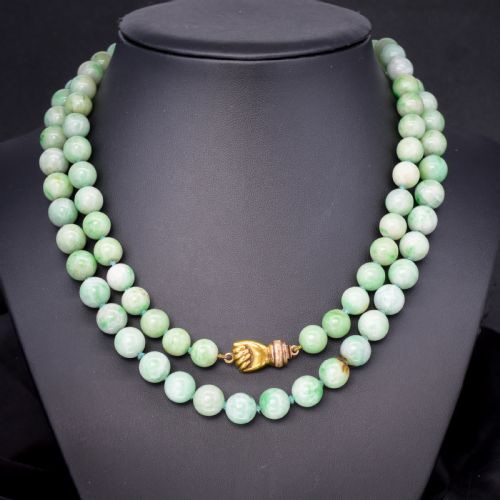
When you search for chinese hand carved jade, you encounter objects shaped from dense mineral blocks into traditional forms. These range from functional scholar's desk items to decorative sculptures and personal adornments.
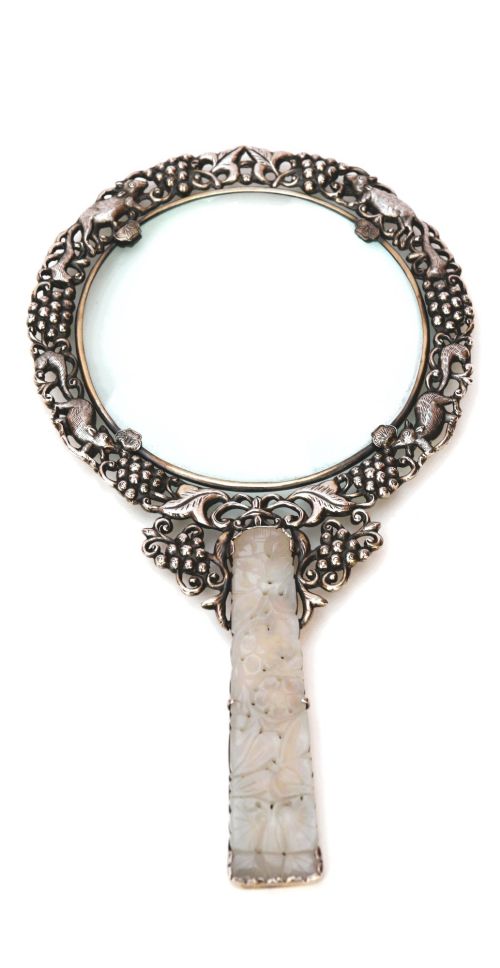
The pieces you meet most frequently on this page date from the nineteenth century through the Republic Period and into the nineteen-thirties. Formats span pendants, plaques, bangles, and figural sculptures depicting animals, deities, and mythological creatures.
Origins stretch from the late Ming and Qing dynasties into twentieth-century production. Each era brings distinct carving depths and polish treatments to the mineral.
How they were made
Makers shaped these objects using nephrite jade, jadeite, and celadon jade alongside related hardstone varieties. The extreme hardness of the material required abrasive sands and rotary tools rather than simple cutting edges.
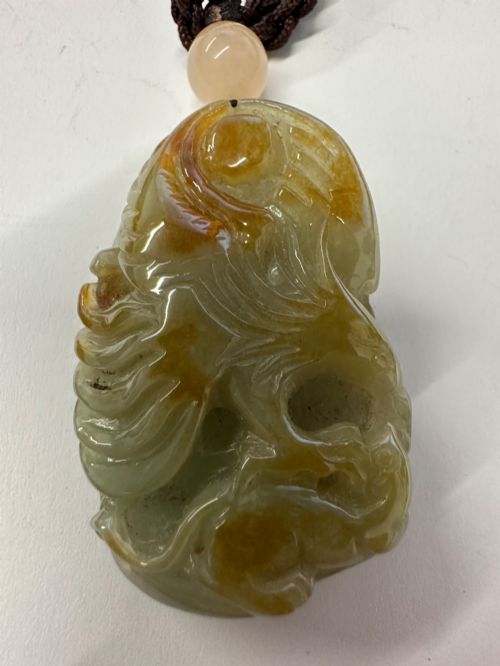
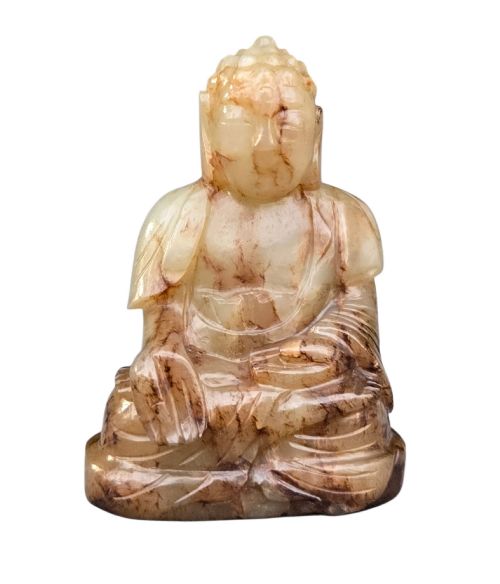
Artisans exploited natural colour variations within the stone, such as russet patches, to highlight specific elements of a design like foliage or animal markings. Finishing involved extensive smoothing and polishing to achieve a soft lustre.
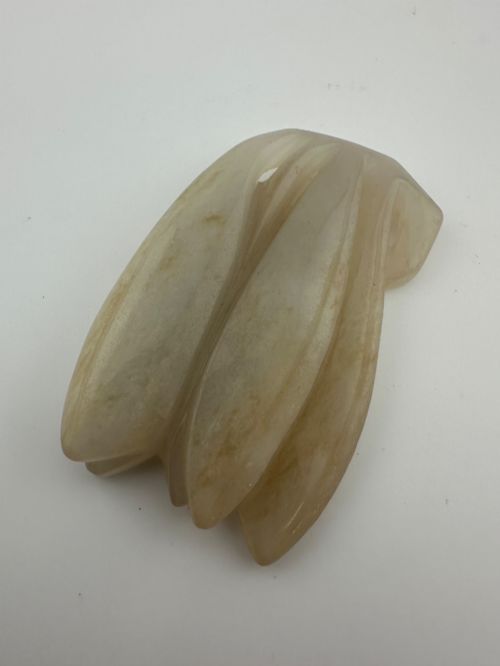
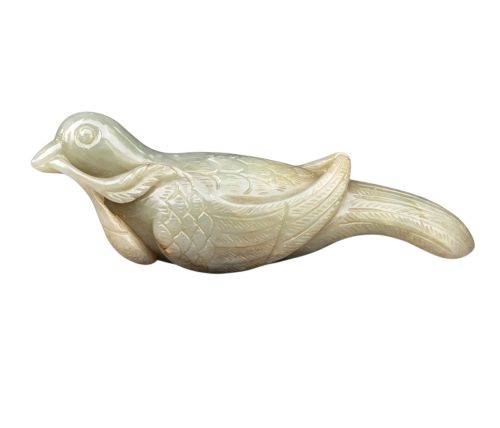
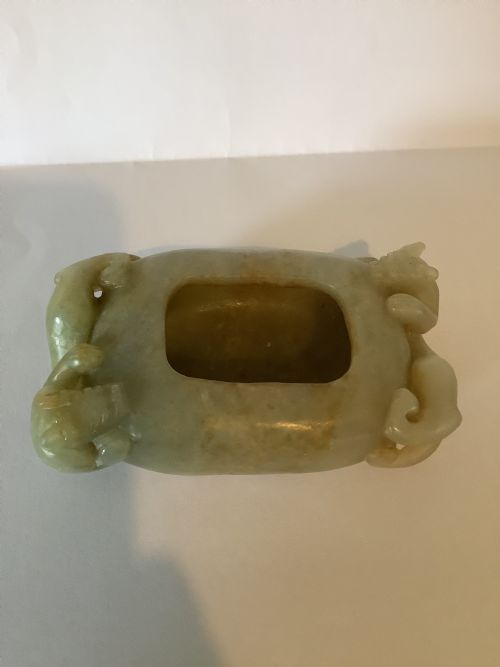
Several pieces depict animals mid-stride, including a cicada, a water bird, horses, and a mythical beast holding an egg.
What varies in quality
Quality rests primarily on the fluidity and depth of the carving relative to the natural characteristics of the stone. Superior examples show confident relief work that respects the original contours of the pebble or boulder.
The natural translucency, tone, and purity of the jade mineral itself dictate the standing of a piece. Finer stones display an even, pleasing texture without distracting inclusions.
The Chinese Hand Carved Jade Glossary
- Nephrite
- A dense, tough amphibole mineral used for the majority of traditional Chinese carvings. It resists fracturing due to its interlocking fibrous crystal structure.
- Jadeite
- A pyroxene mineral that tends to exhibit brighter translucent colours than nephrite. It became particularly popular during later periods.
- Celadon
- A pale green or greyish-green tone found in certain jade varieties. The term also describes ceramic glazes emulating this appearance.
- Brush Washer
- A scholar's vessel designed for rinsing writing brushes. These often take organic forms like leaves or shallow basins.
- Pixiu
- A mythical winged creature frequently depicted in carvings. It is traditionally associated with wealth accumulation and protection.
Chinese Hand Carved Jade: Frequently Asked Questions
How do I date a jade carving?
Dating relies on stylistic clues, subject matter, and tool marks visible under magnification. Carving depth and the choice of mythological motifs often align with specific imperial or republican eras.
Material analysis also contributes, as certain mineral varieties and colour treatments correspond to distinct historical periods of extraction and workshop practice.
What is the difference between nephrite and jadeite?
Nephrite and jadeite are chemically distinct minerals sharing similar toughness and appearance. Nephrite has a fibrous structure and dominates earlier Chinese pieces.
Jadeite contains pyroxene and often displays a more crystalline texture and brighter colour range. Both fall under the broader heading of jade.
How should I clean jade items?
Maintenance requires only warm water and a soft cloth to remove dust and skin oils. Harsh chemical cleaners or ultrasonic baths can damage vulnerable mineral surfaces and historic mountings.
Allowing the stone to breathe without applying heavy oils preserves its natural finish over time.
Why do some carvings show russet patches?
Russet coloration results from natural iron staining on the skin of the original jade boulder. Carvers frequently incorporated these areas into their designs.
Skillful artisans used the contrasting brown or red skin to represent fur, autumn leaves, or specific details of a subject.