


Chinese Scholar Sculpture
A chinese scholar sculpture brings the quiet contemplation of imperial studies into your interior.
Chinese Scholar Sculpture
When you search for a chinese scholar sculpture, you encounter figures and scholar objects fashioned from stone, wood, and metal across multiple centuries. These works reflect the aesthetic pursuits of literati officials, often depicting sages, boys, animals, or natural landscapes designed for a scholar's desk.
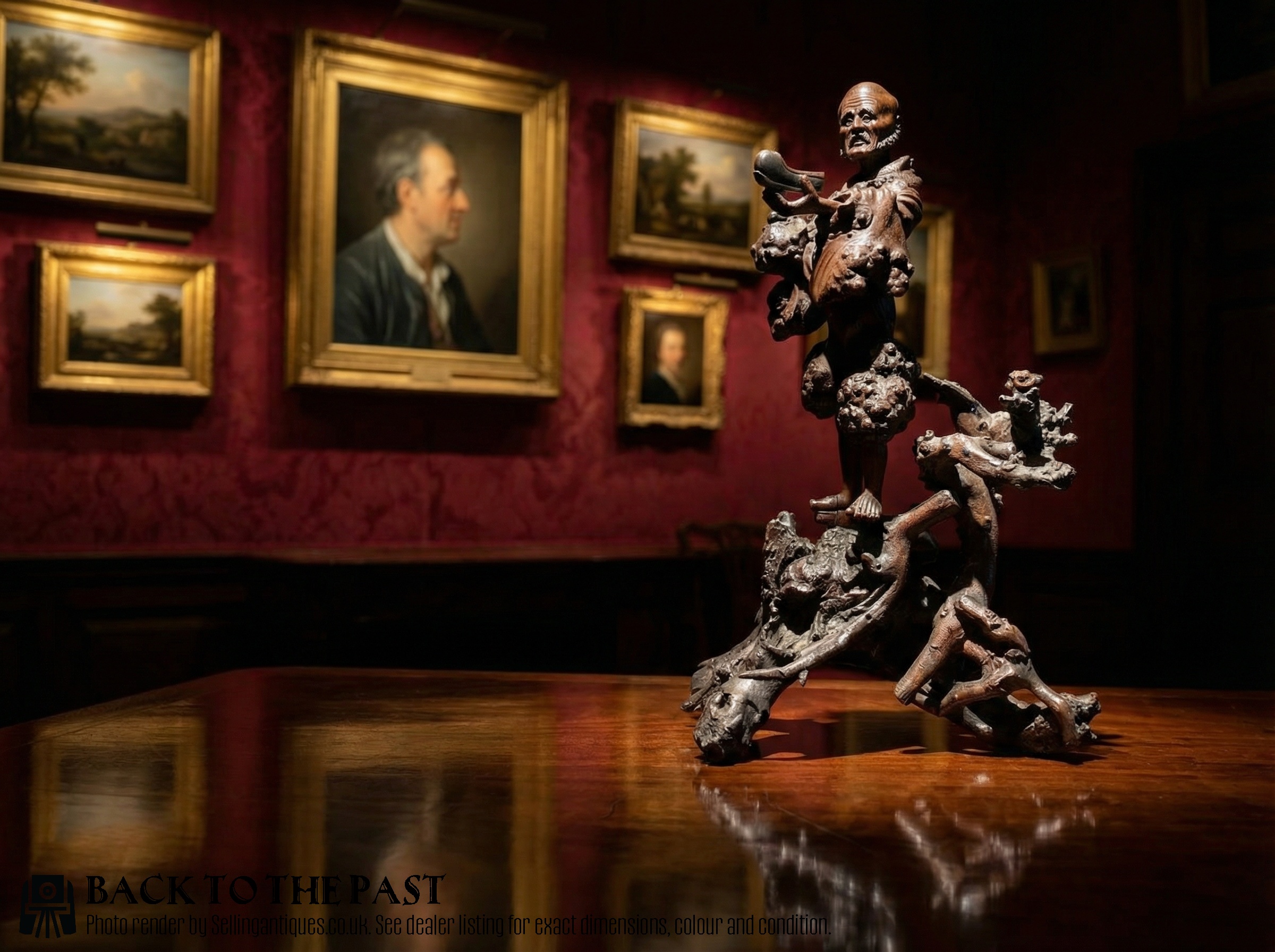
The pieces on this page span from the Ming dynasty through the Qing dynasty and into the early twentieth century. You will frequently find root wood carvings, soapstone figures, and jade or bronze scholar items that served functional or contemplative purposes in studies.
Materials and methods
Artisans carved dense materials such as hardwood, root wood, soapstone, and boxwood utilising traditional hand tools to follow natural organic forms. Jade and hard stone pieces required meticulous abrasive grinding and polishing to achieve smooth surfaces and pale celadon translucency.
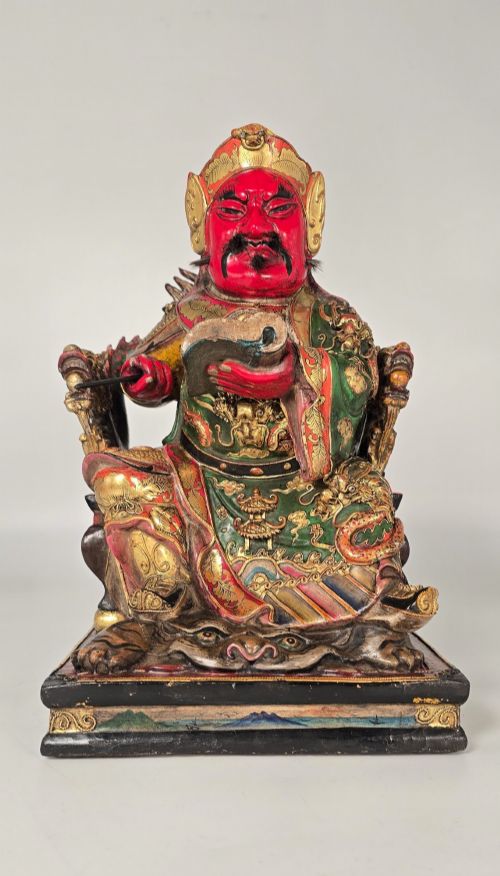
Metal objects involved lost-wax casting in bronze, sometimes augmented with selective fire-gilding or hand-enamel decoration. Lacquered and giltwood figures received layered finishes and hand painting to delineate robes and facial expressions.
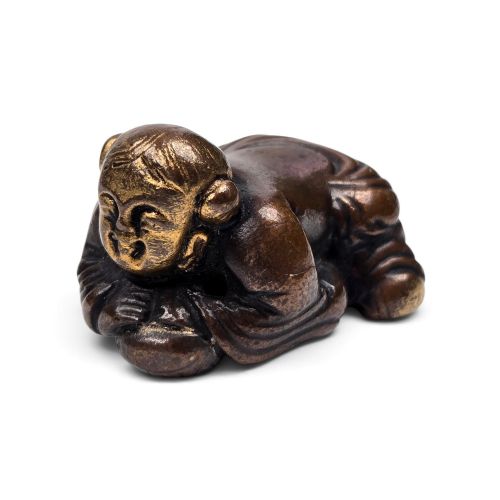
Scholar desks frequently featured miniature bronze water buffalo alongside contemplative figures.
Factors of quality
Quality rests upon the sensitivity of the carving and how well the artisan respects the natural grain or contours of the chosen medium. Superior root wood and stone examples display dynamic movement and intricate detail without losing the organic integrity of the material.
Refinement in finishing distinguishes finer works, particularly in the crispness of bronze seals or the polish and translucency of jade carvings. Masterful proportion and expressive facial rendering elevate individual scholar figures above mass-produced decorative items.
The Chinese Scholar Sculpture Glossary
- Celadon jade
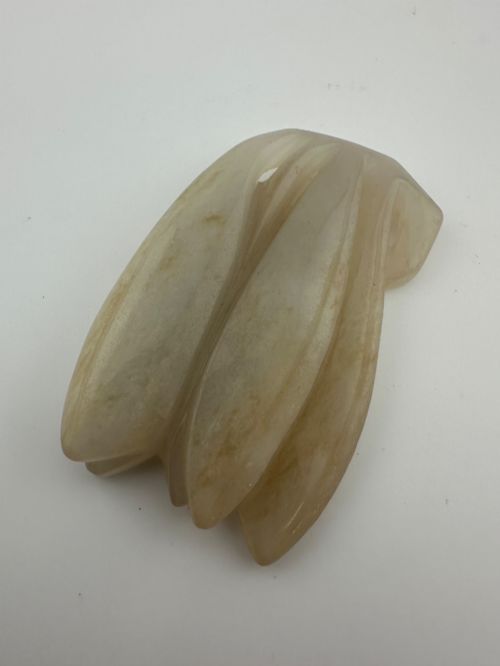
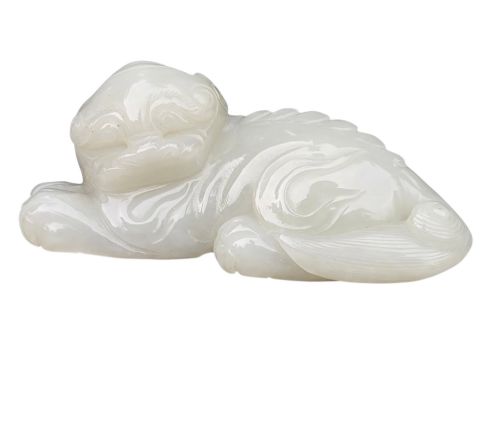
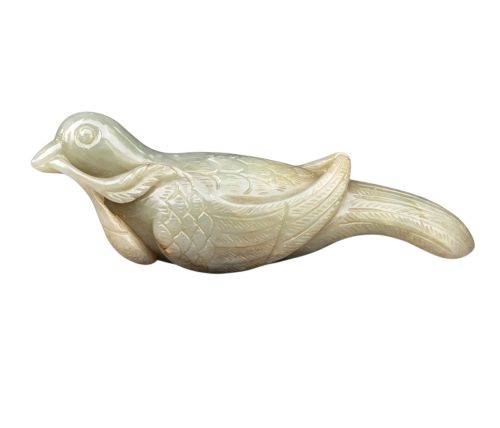
- A pale green or grey-green nephrite stone highly prized in Chinese carving for its translucency and smooth tactile quality. It was frequently utilised for scholar objects such as brush washers and water birds.
- Shoushan stone
- A fine soapstone originating from Fujian province, valued for its softness in carving and varied natural colouration. Artisans utilised it extensively for seals and figural sculptures.
- Root wood
- An organic material sourced from tree burls and roots, shaped by carvers into naturalistic figures, seats, and sculptures. Each piece depends entirely on the unique growth patterns of the timber.
- Seal
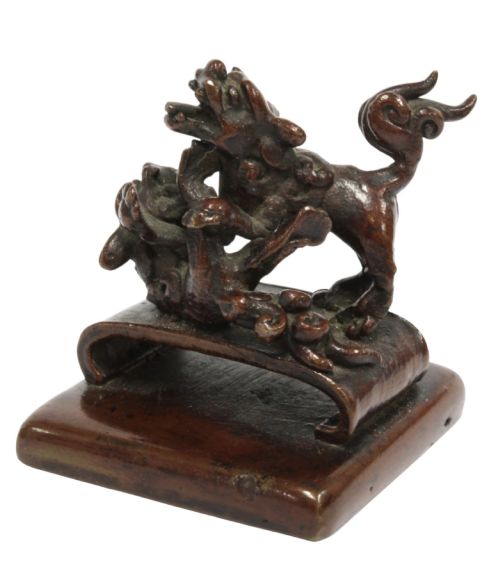
- A carved stamp bearing characters or symbols, used historically for official signatures and personal identification. Scholar seals often incorporated mythical beasts like shishi or chi dragons.
- Ruyi sceptre
- A decorative ceremonial object shaped like a lotus leaf or cloud, symbolising power and good fortune. They appear carved from boxwood and other dense hardwoods.
Chinese Scholar Sculpture: Frequently Asked Questions
What is a chinese scholar sculpture?
A chinese scholar sculpture is a carved figure, animal, or desk accessory historically created for the studios of Chinese literati. These objects include root wood figures, soapstone carvings, and bronze scholar pieces.
They reflect traditional Chinese philosophies, often depicting sages, boys, and natural landscapes intended to inspire meditation and scholarly pursuits.
How were scholar objects used?
Scholar objects served both practical and decorative functions on the traditional desk. Items like brush washers, paperweights, and seals aided in calligraphy and painting.
Other sculptures simply provided visual contemplation, helping the scholar cultivate inner peace and intellectual focus within the studio.
How do I date a carving?
Dating relies on stylistic markers associated with dynasties such as the Ming and Qing, alongside the specific material and tool marks. Late Qing and Republic period pieces often show different patination and carving depth compared to earlier Ming examples.
Examining the natural wear and ageing of wood, stone, or bronze helps confirm the historical period.
How do I care for root wood?
Root wood carvings require stable indoor humidity and protection from direct sunlight to prevent the timber from drying out or splitting. Gentle dusting with a soft brush maintains the surface without harming the natural patina.
Avoid using harsh chemical polishes that can alter the historic finish of the wood.