




Chinese Scholar Desk Object
A chinese scholar desk object represents the refined tools and vessels used by traditional literati, bringing tactile history and quiet utility to a modern interior.
Chinese Scholar Desk Object
A chinese scholar desk object encompasses a specialised range of studio equipment designed for the traditional scholar's desk, including brush pots, washers, seals, and censers. These artefacts reflect the literary pursuits and aesthetic values of historical Chinese scholar studios.
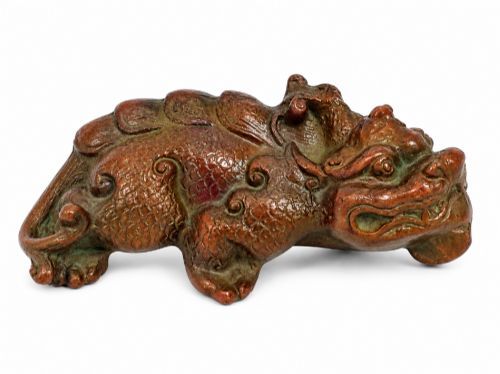
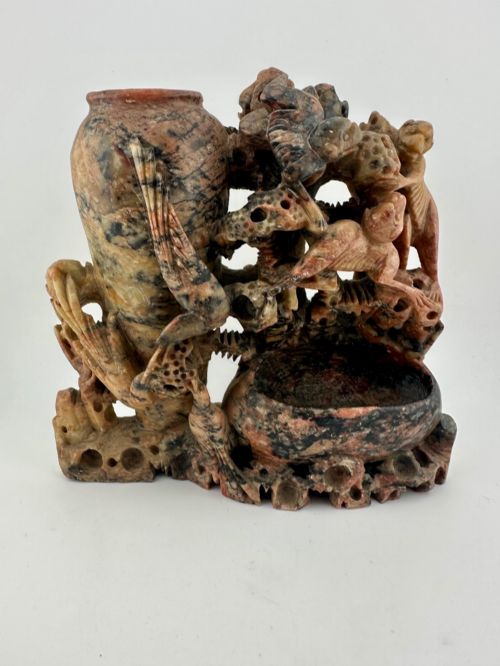
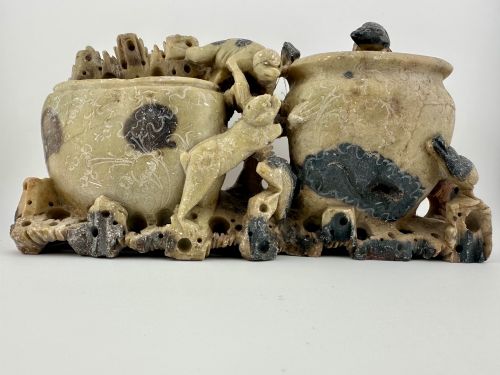
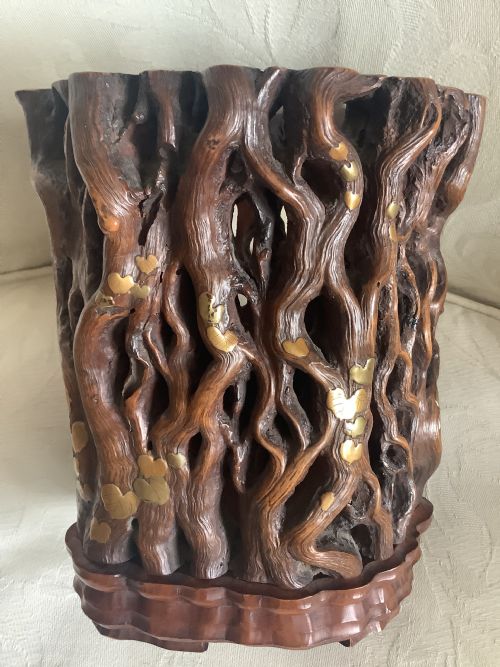
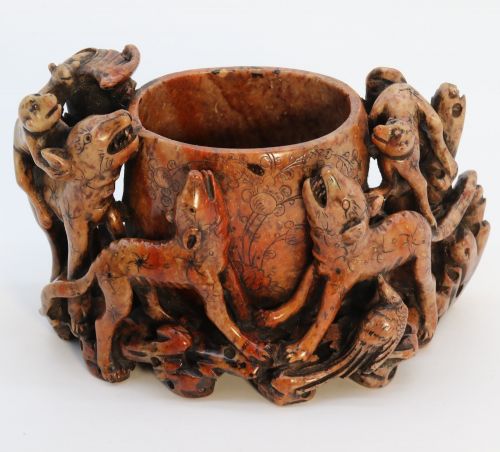
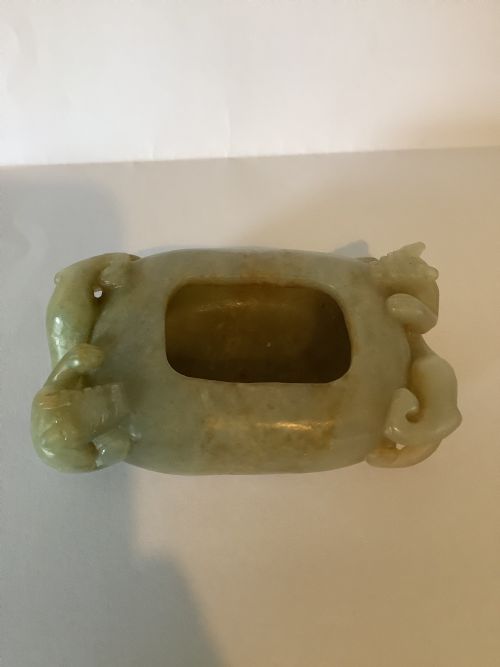
The selections available on this page most commonly feature brush pots, or bitong, alongside carved jade washers and soapstone groups originating from the Qing and Ming dynasties. Examples extend from sturdy bamboo vessels to intricate bronze seals cast with mythical beasts.
Earlier works spanning the pre-sixteenth century periods occasionally appear alongside more frequent nineteenth-century iterations. Buyers encounter both functional writing accessories and decorative desk ornaments shaped by traditional craftsmanship.
Materials and methods
Craftsmen shaped these objects using dense hardwoods, bamboo, and soapstone, often employing deep relief carving to depict figures, dragons, and floral motifs. Bronze pieces typically utilised solid-cast techniques, occasionally finished with fire-gilding or gold-splashed treatments.
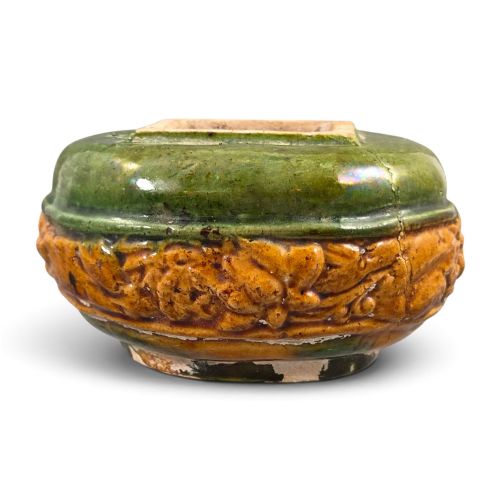
Ceramic forms display diverse treatments including blue and white underglaze decoration, powder-blue glazes, and iron rust finishes. Jade and hardstone items required meticulous abrasive cutting to achieve the smooth contours of water birds, cicadas, and brush washers.
Chinese Scholar Desk Object Retail Price Guide 2026
Typical asking prices for chinese scholar desk object among the pieces listed under this phrase on Sellingantiques today, from the lower quarter to the upper quarter. They describe what is for sale here now, not the wider market.
Listings feature materials spanning bronze, porcelain, bamboo, soapstone, and celadon jade.
Judging the range
The distinction between standard items and superior examples lies in the crispness of the carving and the natural quality of the medium. Finer pieces demonstrate deliberate proportions, balanced compositions, and materials selected for their specific grain, tone, or translucency.
Imperial-style items and works attributed to specific stylistic periods show greater refinement in surface texture and detail. Lesser examples exhibit simpler execution, where tool marks remain heavy and the material lacks depth.
The Chinese Scholar Desk Object Glossary
- Bitong
- A cylindrical brush pot used to hold writing brushes on a scholar's desk. These vessels appear in porcelain, bamboo, hardwood, and ceramic.
- Celadon
- A pale green jade or a transparent green-glazed ceramic resembling jade. The tint results from iron oxide in the glaze reduction process.
- Censer
- A vessel used for burning incense during meditation or study. Bronze and ceramic examples frequently feature tripod supports and removable covers.
- Shishi
- A mythical lion-dog guardian figure often depicted in seals and carvings. These creatures symbolise protection and authority.
- Soapstone
- A soft, talc-based stone easily carved into intricate figures and brush washers. It takes a smooth, soapy polish when finished.
Chinese Scholar Desk Object: Frequently Asked Questions
What is a chinese scholar desk object?
These pieces are historical implements utilised in traditional Chinese studies for writing, painting, and meditation.
They encompass practical items like brush pots and water vessels alongside decorative seals and weights.
How were brush pots used?
Brush pots held animal-hair calligraphy brushes upright to protect the tips when not in use.
They sat centrally among ink stones and paperweights on the scholar's desk.
How do I care for jade and soapstone?
Jade and soapstone require gentle cleaning with a soft cloth and mild soap to preserve their finish.
Avoid abrasive cleaners and protect soft soapstone from sharp impacts.
Can I date a bronze censer?
Bronze censers are dated through casting style, patination, and occasional studio marks indicating specific periods.
Ming and Qing examples display distinct handle forms and surface treatments.