



Pale Green Jade Carving
These pale green jade carvings are sculptural works and vessels shaped from mineral stone, offering subtle colour and tactile weight for a collector's cabinet.
Pale Green Jade Carving
When a buyer enters the phrase pale green jade carving, they find a range of sculptural and functional forms shaped from minerals like nephrite, jadeite, and bowenite serpentine. The selection spans the 18th century, 19th century, Republic period, and Edwardian eras, reflecting both Chinese traditions and western jewellery design.
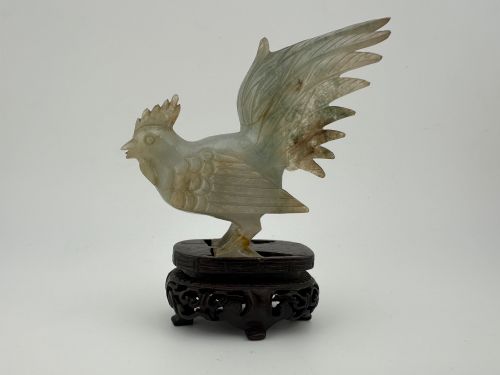
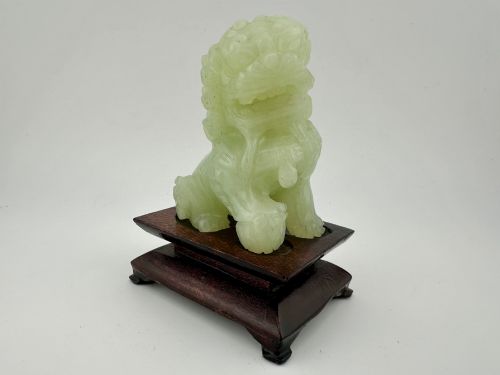
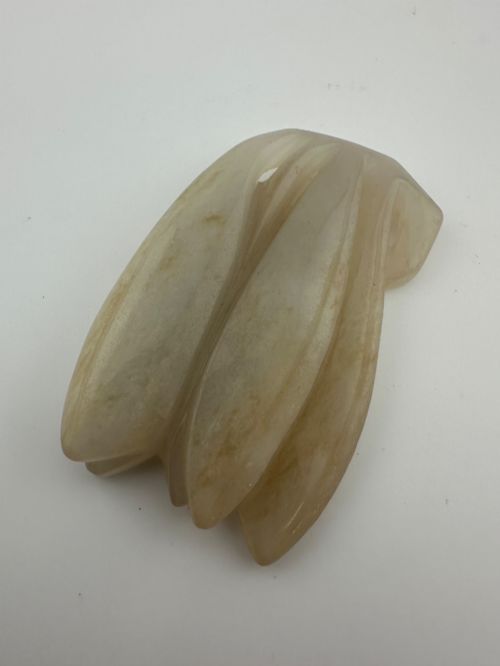
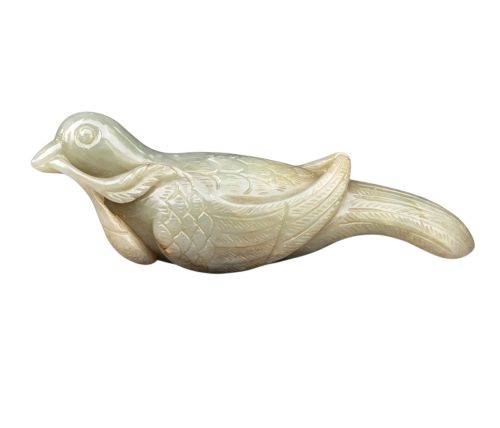
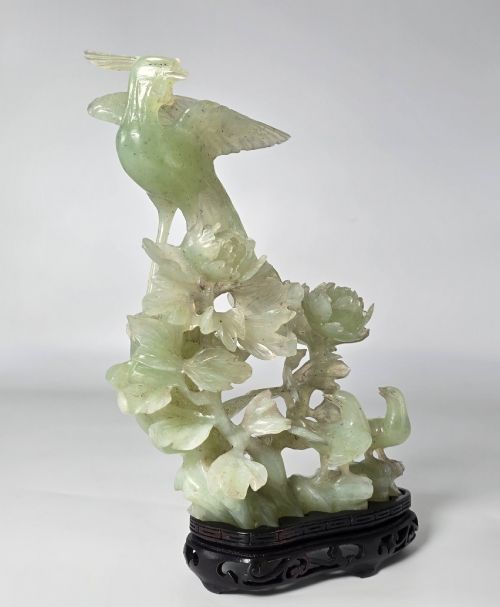
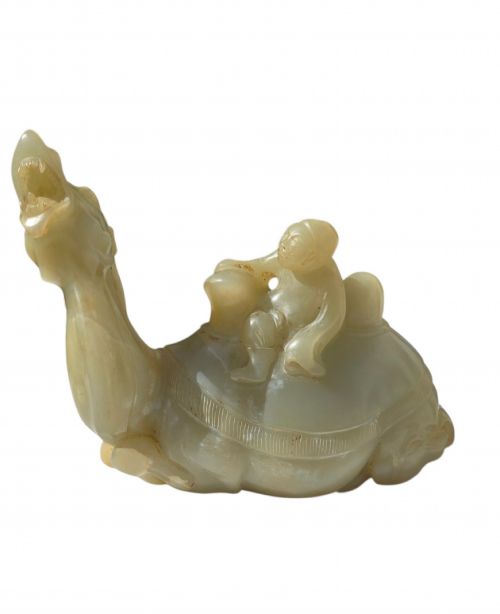
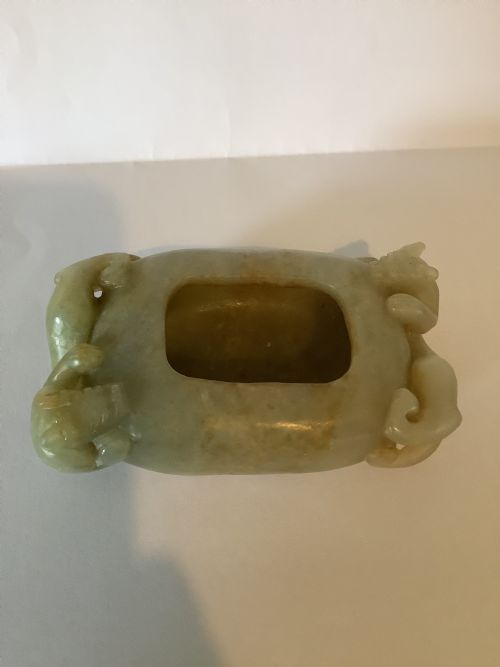
The objects take the form of brush washers, lotus-form cups, animal figures such as water birds, cicadas, and camels, alongside landscape sculptures and pendants mounted in platinum with diamonds. Many Asian works retain fitted hardwood stands, while European-market pieces incorporate precious metals.
Scholar's items and decorative sculptures dominate the available selection, often displaying russet inclusions within the pale green or celadon matrix. Buyers meet both functional vessels designed for the scholar's desk and purely ornamental pieces intended for display.
How they were made
Accessory elements required specialist secondary craftsmanship, such as turned hardwood stands tailored to the base of a mountain landscape or platinum settings formed to hold carved jadeite pendants. The combination of meticulous abrasive carving and bespoke display mounts defines the physical production of these works.
Listings feature items spanning the 18th century, 19th century, 1930, and the Edwardian period, incorporating celadon jade, jadeite, nephrite, and serpentine.
What varies in quality
Quality rests upon the stone's translucency and the precision with which the sculptor responds to natural flaws or russet inclusions. Superior examples integrate colour variations into the subject matter, whereas lesser pieces treat the stone as a uniform block without regard for depth.
The fluidity and undercut depth of the carving separate standard workshop output from exceptional scholar's objects. Crisp feather detailing on a bird or clean interior walls on a brush washer demonstrate the carver's control over tough nephrite or serpentine.
The Pale Green Jade Carving Glossary
- Celadon jade
- A pale green jade stone resembling the traditional ceramic glaze colour. It ranges from very light greyish-green to deeper translucent tones.
- Nephrite jade
- One of the two distinct mineral species recognised as jade, known for its dense, fibrous amphibole structure. It resists fracturing, making it ideal for intricate sculpture.
- Jadeite
- The second mineral species of jade, valued for its crystalline structure and bright vitreous lustre. It appears in jewellery pendants alongside platinum and diamonds.
- Bowenite serpentine
- A hard serpentine mineral often substituted for or grouped with jade due to its similar appearance and green colour. It takes a smooth polish.
- Brush washer
- A vessel used in traditional Chinese calligraphy to clean ink brushes. These carved stone bowls often feature lotus forms or naturalistic basin shapes.
Pale Green Jade Carving: Frequently Asked Questions
What is a scholar's carving?
Scholar's carvings are objects made for the desk of a traditional Chinese literatus, including items like brush washers and small water vessels. They were intended for quiet contemplation and daily scholarly pursuits.
These pieces prioritise subtle form and tactile appreciation over loud display, often drawing on natural motifs such as lotus leaves or birds.
How do I care for jade carvings?
Jade and related hardstones require gentle cleaning with a soft cloth and warm water without harsh chemical detergents. Avoid ultrasonic cleaners, particularly for pieces with russet inclusions or fitted hardwood stands.
Keep the carved stone away from sudden thermal shocks and store pieces individually to prevent scratching from adjacent objects.
Why do some stones have brown patches?
The brown or russet patches are natural mineral oxidation within the outer skin of the jade boulder. Carvers often incorporated these areas into the design to represent fur, autumn leaves, or landscape details.
Skillful placement of these russet tones demonstrates the carver's ability to work with the natural irregularities of the raw material.
How can I tell the period?
Dating relies upon stylistic markers, carving depth, tool marks, and associated mounts like Edwardian platinum settings or Qing dynasty hardwood stands. Examination of the stone's polish and wear patterns also informs the era of production.
Comparative study of imperial workshops and regional Republic period production helps clarify the timeline of individual sculptures.