


Antique Bitong Pot
An antique bitong pot is a scholar's brush pot designed to hold writing implements on a desk, valued for its fine carving and historical presence.
Antique Bitong Pot
An antique bitong pot is a cylindrical vessel traditionally used in the scholar's studio to organise writing brushes. These desk accessories appear in forms spanning the seventeenth to the nineteenth century, reflecting various dynasties and periods.
The versions most commonly met on this page include carved bamboo, hardwood, and porcelain brush pots. Many originate from the Qing Dynasty, alongside examples from the Japanese Meiji period.
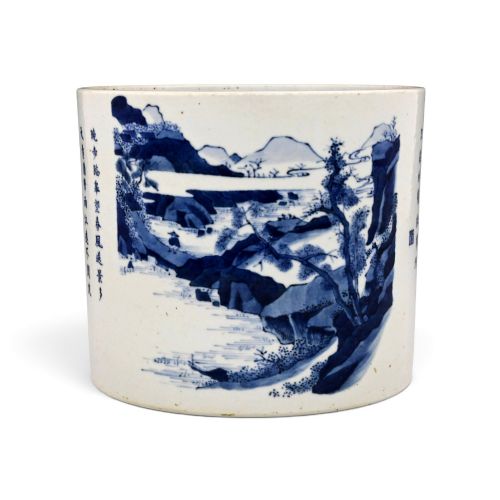
Makers produced these pieces for scholarly desks, utilising materials that ranged from cobalt underglaze porcelain to hand-carved natural timbers. Each piece maintains the classic cylindrical form suited to holding brushes.
How they were made
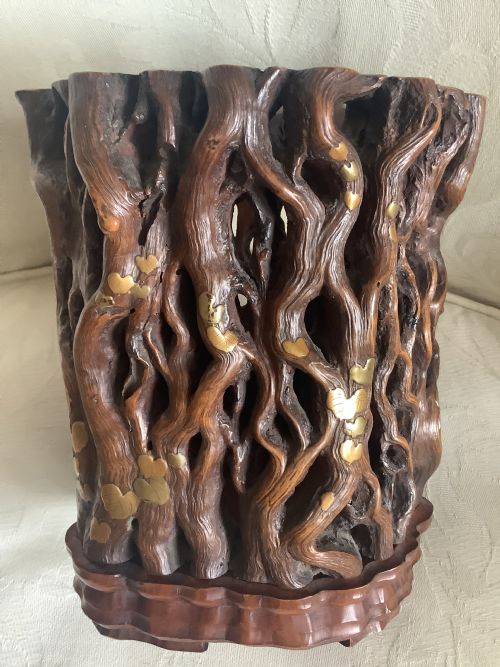
Carvers shaped natural bamboo and dense hardwood by hand, cutting deep reliefs into the material to depict figures, landscapes, and scholar scenes. This subtractive technique required immense skill to prevent splitting the grain.
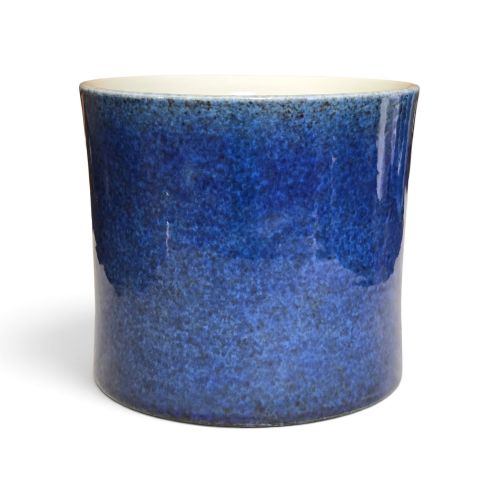
Potters formed porcelain vessels on the wheel before applying cobalt underglaze, powder-blue glaze, or famille rose and famille verte enamels. Firing these ceramics at high temperatures set the vibrant colours and durable surface finishes.
Eight immortals occasionally crowd onto a single porcelain cylinder, proving that even legendary figures enjoyed a tight squeeze.
What varies in quality
The depth and clarity of the hand carving separate standard items from superior pieces, particularly in bamboo and hardwood brush pots. Crisp undercut details reveal the hand of a master artisan rather than a commercial workshop.
On porcelain vessels, the control of the cobalt glaze or the precision of the enamel painting dictates the overall standard. Richness of tone and balance in the pictorial composition mark out the finer examples.
The Antique Bitong Pot Glossary
- Bitong
- A cylindrical brush pot used in traditional Chinese studies to hold writing brushes. The term translates directly from Chinese as brush pot.
- Famille Rose
- A palette of opaque enamels dominated by pink or rose colours, introduced during the Qing dynasty. It allowed artists to render delicate floral and figurative scenes.
- Famille Verte
- A ceramic palette centred on green enamels, developed largely during the Kangxi period. Artisans combined these greens with iron red and other colours to create vibrant pictorial surfaces.
- Meiji Period
- A Japanese historical era lasting from 1868 to 1912, noted here for bronze and mixed metal craftsmanship. Metalworkers produced intricate desk accessories during this time.
- Cobalt Underglaze
- A blue pigment applied to ceramic bodies before glazing and firing. This technique creates deep blue designs beneath a clear protective layer.
Antique Bitong Pot: Frequently Asked Questions
What is a bitong pot used for?
A bitong pot serves primarily as a cylindrical container for holding ink brushes on a scholar's desk. It keeps writing implements orderly and upright.
Historically, scholars used these vessels in traditional studies alongside other desk accessories. Today, they function equally well as decorative objects or desktop organisers.
How do I identify a Qing Dynasty bitong?
Look for specific stylistic cues such as famille rose enamels, Kangxi period cobalt underglaze, or deep hand-carved scholarly scenes. Material choice and carving depth often point directly to this era.
Many pieces bear stylistic traits associated with imperial workshops or scholar studio traditions. Comparing the surface wear and patina helps confirm the age of the material.
Where were antique bitong pots made?
The majority of these vessels originated in China during successive imperial periods, particularly the Qing Dynasty. Scholars and craftsmen produced them for use within elite literary environments.
Some related desk accessories also emerged from Japan during the Meiji period, reflecting regional variations in metalwork and design. Each origin brings distinct artistic conventions to the form.
How should I clean a wooden brush pot?
Dust wooden and bamboo brush pots gently with a soft, dry cloth to protect the carved surface. Avoid using harsh chemical cleaners or excess moisture on antique timber.
Maintaining a stable indoor humidity prevents the natural wood or bamboo from splitting over time. Gentle care preserves both the patina and the intricate relief carving.