


Traditional Chinese Scholars Object
These traditional chinese scholars objects are desk accessories, carvings, and vessels made for literati study rooms, offering tactile connection to historical craftsmanship.
Traditional Chinese Scholars Object
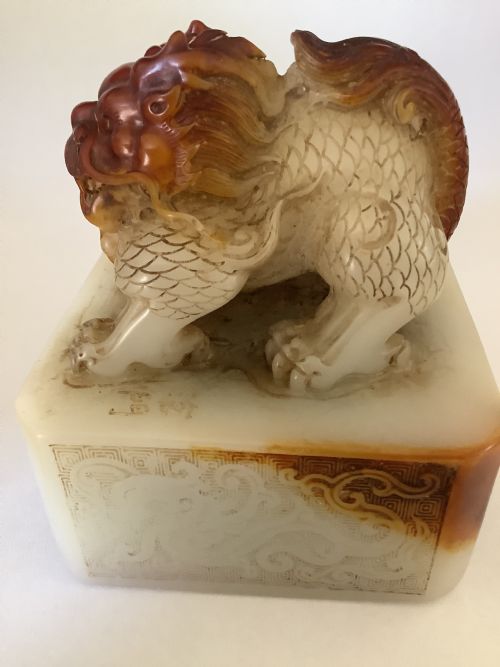
Traditional chinese scholars objects encompass desk accessories, carvings, sculptures, and vessels created for the studies of literati scholars. These pieces include brush washers, desk seals, libation cups, brush pots, and headrests that served both utilitarian and contemplative functions in traditional studies.
The objects span periods from the eighteenth century through the early twentieth century, incorporating styles such as Qing Dynasty, Republic Period, and Chinese Provincial. Collectors encounter items designed for writing, resting, and scholarly contemplation.
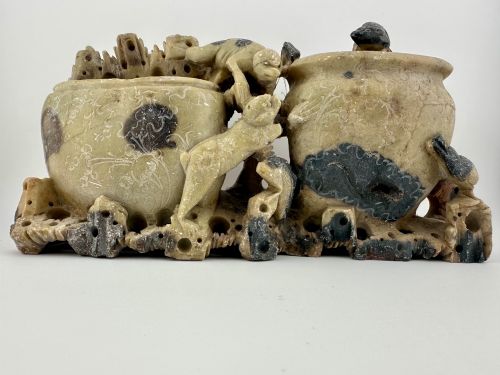
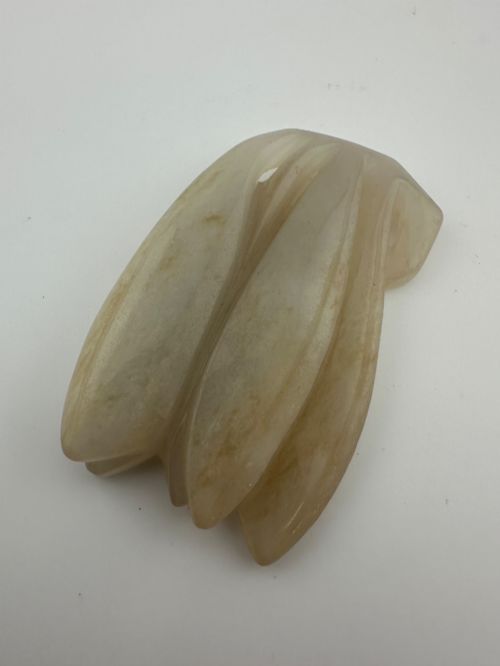
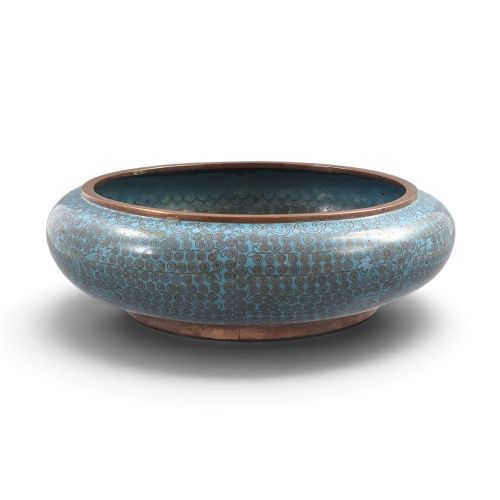
Forms range from intricate soapstone double brush washers and pale celadon jade cicada carvings to hardwood scroll weights and cloisonné enamel brush washers. Each piece reflects the refined aesthetic of the scholar's studio.
How they were made
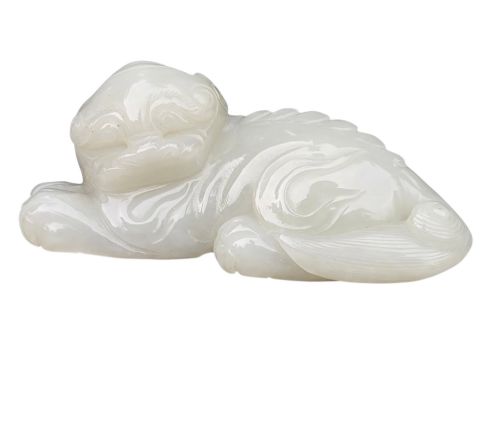
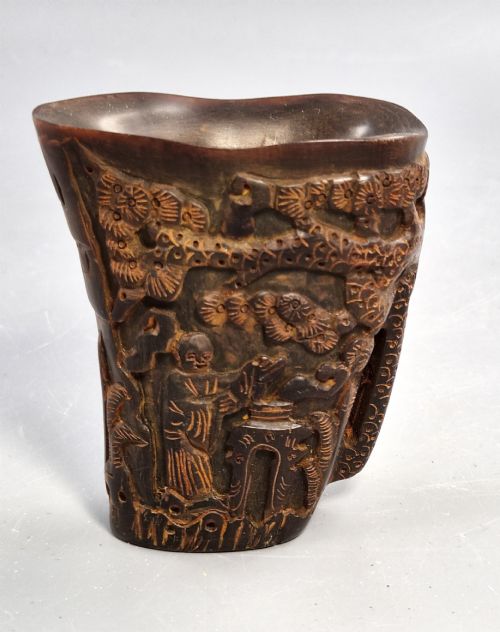
Materials utilised for these traditional chinese scholars objects include nephrite jade, white jade, celadon jade, soapstone, bamboo, hard wood, water buffalo horn, and enamel. Artisans selected these natural mediums for their specific textures, densities, and grain patterns.
Carving, cutting, and enamelling techniques shape the raw materials into functional and decorative desk items. Craftsmen applied meticulous hand-carving methods to render detailed figures, mythical beasts, and natural motifs upon stone, horn, and timber.
Listings feature traditional chinese scholars objects spanning the eighteenth century to the twentieth century, incorporating materials like jade, bamboo, horn, and soapstone.
What varies in quality
Quality in traditional chinese scholars objects relies upon the purity and selection of the raw material, whether translucent white jade, smooth soapstone, or densely grained bamboo. Superior examples display natural inclusions to advantage rather than concealing flaws.
Execution of detail separates ordinary items from exceptional ones, evident in the depth of relief, crispness of edge, and proportion within miniature carvings. The touch in the hand reveals whether the carver understood the balance of the form.
The Traditional Chinese Scholars Object Glossary
- Brush washer
- A small vessel used to clean calligraphy brushes during writing and painting. These bowls appear in ceramic, stone, and metal forms.
- Libation cup
- A ceremonial vessel historically used for pouring wine offerings, often carved from horn or jade with high-relief figures. Artisans adapted these forms for scholarly display.
- Scroll weight
- A heavy bar or sculptural object placed upon paper or silk scrolls to keep them flat during study and painting. Hardwood and stone served as common materials.
- Celadon jade
- A green-tinted variety of nephrite jade prized for its subtle tone and smooth texture. Carvers utilised its natural colour variations to highlight specific elements of a design.
- Cloisonné enamel
- A metalwork technique where vitreous enamel is applied within compartments created by soldered wire strips. Beijing workshops produced notable examples of this decorative medium.
Traditional Chinese Scholars Object: Frequently Asked Questions
How do I care for jade objects?
Jade objects require gentle cleaning with a soft cloth and mild soapy water when necessary, avoiding harsh chemicals.
Keeping them away from sudden temperature changes preserves the integrity of the carved stone over time.
What periods do these objects date from?
The items range from the eighteenth century through the Qing Dynasty and into the twentieth century.
Different pieces reflect the stylistic shifts of the Republic Period and earlier imperial reigns.
How were headrests used?
Folding bamboo headrests provided support during periods of brief rest or meditation in the scholar's study.
Their collapsible design allowed for convenient storage when not in active use on the desk.