
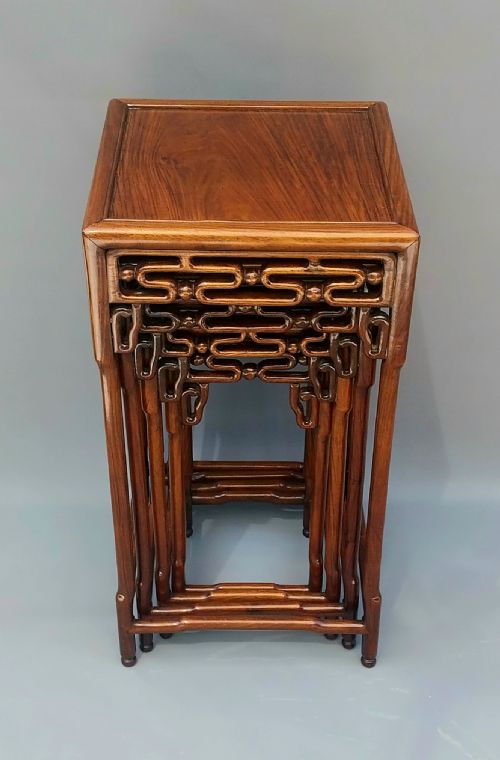


Chinese Rosewood Tea Table
A Chinese rosewood tea table brings dense, richly figured timbers and traditional low forms straight from the Qing Dynasty and the early twentieth century into a modern room.
Chinese Rosewood Tea Table
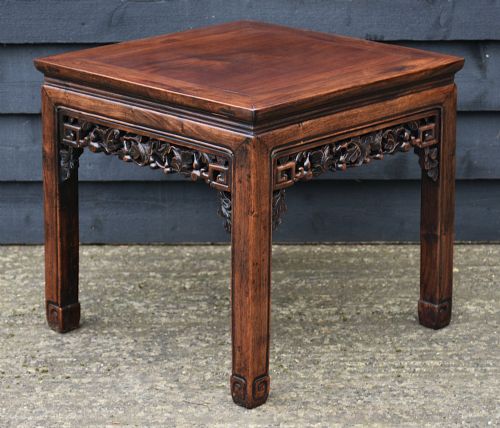
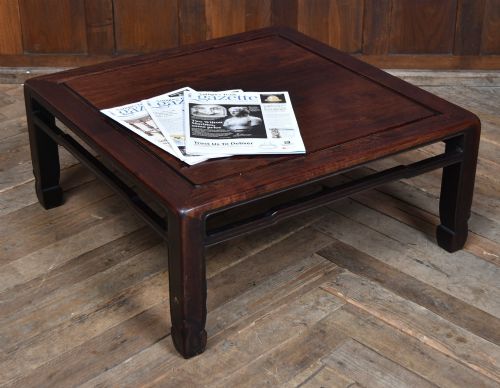
A Chinese rosewood tea table typically appears as a low, square or rectangular form designed for resting near the floor or serving as a compact coffee table. Pieces span the nineteenth century up to the nineteen-twenties, incorporating traditional styles associated with Qing Dynasty craftsmanship.
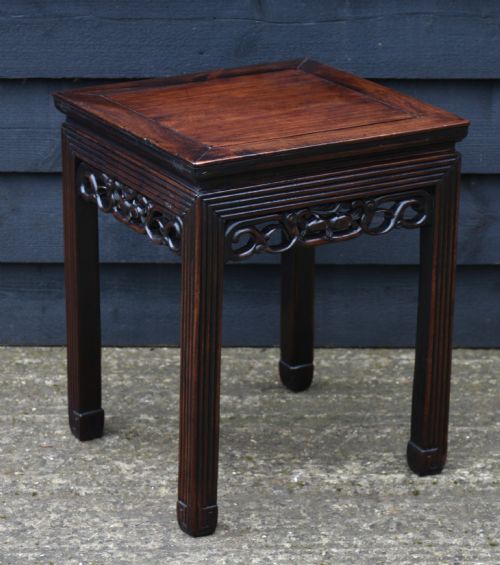
Buyers encounter various functional formats ranging from single low opium and kang tables to nesting sets of three or four pieces. Side tables, centre tables, and multi-tiered occasional furniture also emerge frequently across these listings.
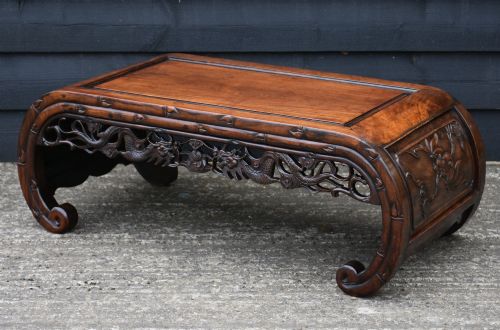
The origin of these pieces rests firmly in traditional Chinese workshop traditions, often utilising dense oriental hardwoods shaped with scroll ends, dragon carvings, or geometric framing. Each configuration reflects historical domestic customs centred around low seating and display.
How they were made
Makers utilised exceptionally dense timbers including rosewood, hongmu, padouk, and huali, selecting them for their heavy weight and deep natural grain. These durable hardwoods provided a stable structural foundation capable of supporting intricate hand-carved surface details.
Construction relied on traditional joinery techniques that allowed the timber to expand and contract naturally without metal fasteners. Artisans integrated decorative elements such as mother-of-pearl inlay, marble inserts, and glass panels directly into the solid wood frames.
Materials recorded across the available pieces include rosewood, hongmu, padouk, marble, and mother-of-pearl.
What varies in quality
The depth and crispness of the hand-carving separate standard pieces from exceptional examples, particularly on dragon details and scroll ends. Sharply defined motifs and balanced symmetry indicate superior workshop execution.
The choice and figuring of the timber dictate the visual hierarchy of the range, with highly grained rosewood and heavy hongmu commanding greater appreciation. Integrated materials such as well-fitted marble tops or precise mother-of-pearl inlay further elevate a piece.
The Chinese Rosewood Tea Table Glossary
- Hongmu
- A category of dense, fragrant Asian hardwoods often translated as red wood. It encompasses several heavy species utilised in traditional Chinese furniture.
- Kang table
- A low platform table traditionally placed upon a heated brick bed or used on the floor for dining and tea. These items feature prominently among low coffee table formats.
- Padouk
- A heavy, durable tropical timber prized for its reddish-brown colour and stable working properties. Makers frequently employed it for structural stability in coffee and side tables.
- Scroll-end
- A decorative terminal detail where the corners or ends of a table top curl outward or inward in a flowing curve. This feature is typical of traditional Qing Dynasty design.
- Huali
- A prized Chinese hardwood noted for its striking grain patterns and warm tonality. It represents one of the finer timbers encountered in period scholar's furniture.
Chinese Rosewood Tea Table: Frequently Asked Questions
What is a kang table?
A kang table is a low-profile surface originally designed to sit upon a heated brick sleeping platform in traditional northern Chinese homes. They served domestic purposes for sharing tea and writing.
Today, these sturdy low tables function perfectly as coffee tables in contemporary western interiors, offering compact proportions and rich timber character.
How do I identify Qing Dynasty pieces?
Qing Dynasty furniture is generally identified by dense oriental hardwoods like hongmu and rosewood combined with traditional carving motifs. Look for scroll ends and dragon details.
Construction methods without modern metal fixings and period patination on the timber further confirm these traditional origins.
Are nesting tables traditional?
Nesting tables in sets of three or four are well-documented within traditional Chinese furniture production. They allowed multiple surfaces to be stored compactly beneath one another.
These versatile sets provided flexible surface space for tea ceremonies and scholar's objects before being tucked away when not in use.
How do I care for rosewood furniture?
Rosewood requires stable indoor humidity away from direct heat sources to prevent the dense timber from splitting. Regular dusting with a soft cloth maintains the natural lustre.
A light application of appropriate wax occasionally helps nourish the traditional polish without building up a heavy film.