






Chinese Pottery Pair
These Chinese pottery pairs bring symmetrical balance and ancient craft into a room, offering matching vessels and figures spanning centuries of Asian artistry.
Chinese Pottery Pair
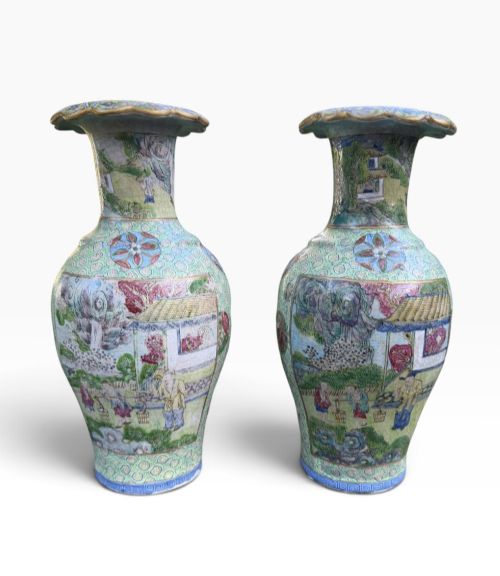
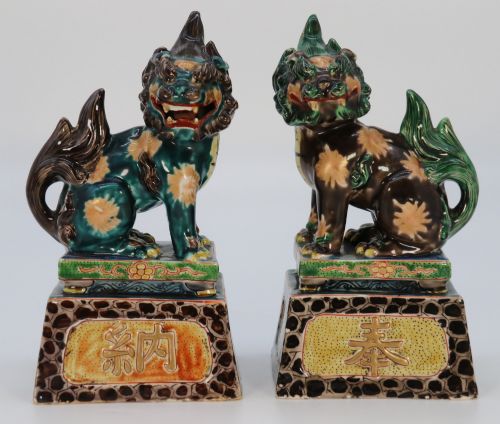
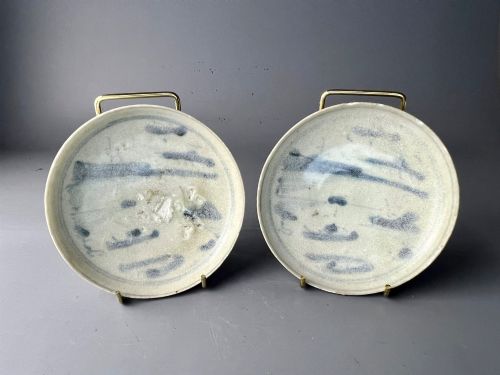
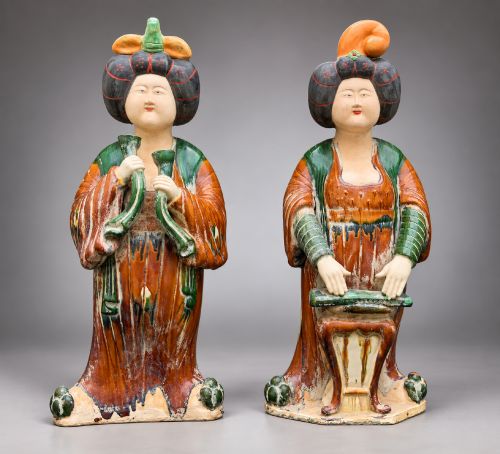
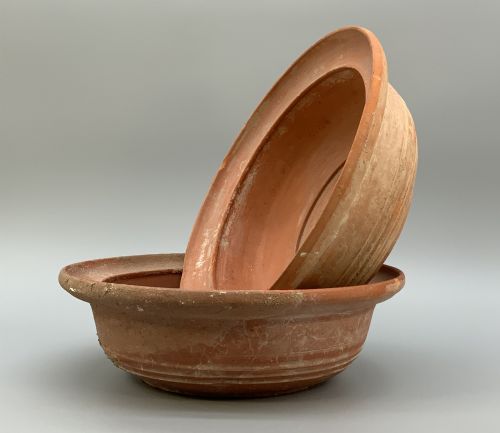
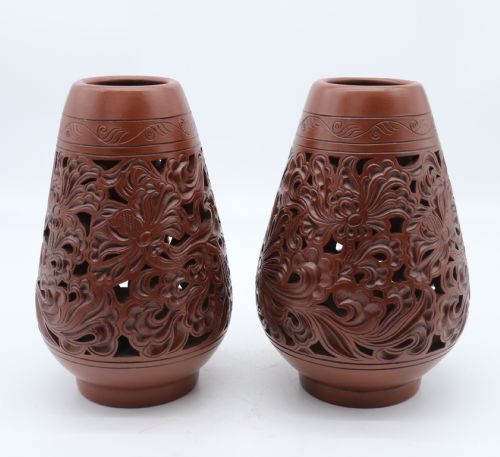
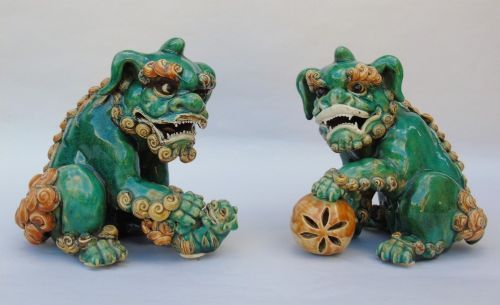
A Chinese pottery pair consists of matching vessels, animals or human figures created together for decorative or ritual symmetry. When you search for a Chinese pottery pair, you encounter forms ranging from archaic earthenware bowls to nineteenth-century porcelain vases and sancai-glazed lion dogs.
The selections on this page draw heavily from Qing Dynasty production and later revivals, alongside earlier pieces referencing Ming, Tang, and Han aesthetics. Vases, ginger jars, and guardian figures dominate the offerings, usually acquired as balanced counterparts for display on mantelpieces or tables.
Materials and construction methods
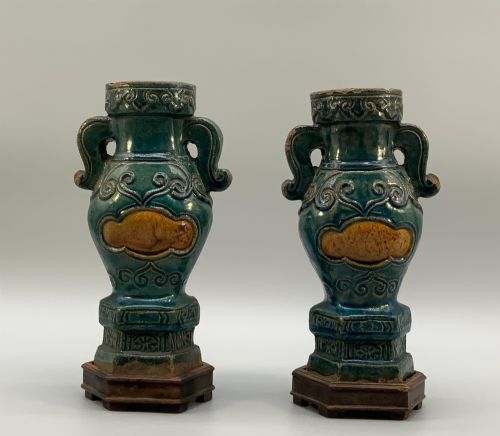
Potters shaped these works from clay bodies such as dense porcelain, porous earthenware, terracotta, and Yixing stoneware. Artisans applied lead glazes, turquoise and amber washes, or polychrome enamel pigments to coat the surfaces before kiln firing.
Many items display hand-painted decoration, reticulated cutting, or crackleware effects achieved through controlled cooling. Sancai glazing techniques introduce multi-coloured overlapping tones, particularly yellow, green, and white, onto moulded figures and vessels.
Chinese Pottery Pair Retail Price Guide 2026
Typical asking prices for chinese pottery pair among the pieces listed under this phrase on Sellingantiques today, from the lower quarter to the upper quarter. They describe what is for sale here now, not the wider market.
Judging the quality of these pairs
Quality rests upon the crispness of the moulded detail and the dexterity of the hand-painting or glaze application. Superior examples demonstrate rich colour depth, steady firing without distortion, and harmonious proportions between the two matched items.
Age and stylistic fidelity also dictate standing, with genuine period pieces commanding attention over later revival styles. The preservation of the glaze and the clarity of painted motifs distinguish masterworks from commercial output.
The Chinese Pottery Pair Glossary
- Sancai
- A traditional three-colour lead glaze technique prominent in Tang ceramics, typically combining green, amber, and cream tones.
- Famille Rose
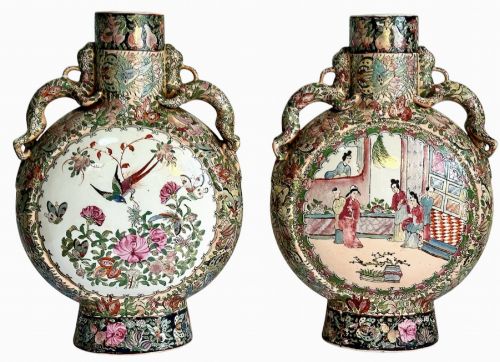
- A palette of opaque enamels dominated by pink hues, introduced during the Qing Dynasty.
- Yixing
- A type of Chinese pottery originating from the city of Yixing, prized for unglazed stoneware teaware and vases.
- Crackelware
- Pottery featuring a network of fine cracks intentionally created in the glaze during cooling.
- Foo Dogs
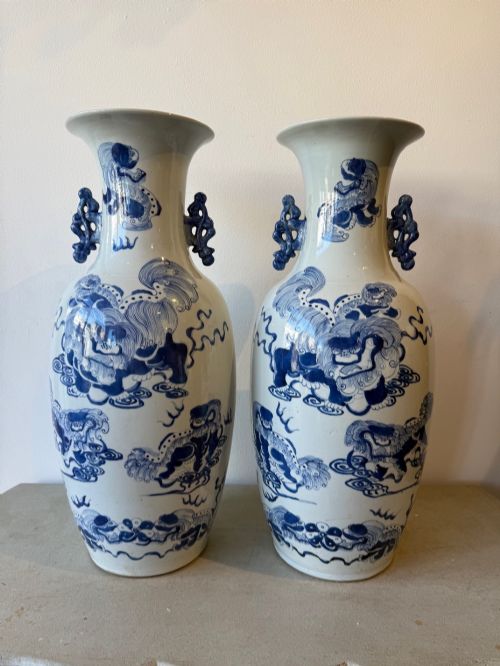
- Guardian lion figures placed in pairs to protect buildings and spaces, frequently modelled in glazed pottery.
Chinese Pottery Pair: Frequently Asked Questions
How were Chinese pottery pairs used originally?
Paired vessels and figures served ritual, ancestral, and decorative functions within homes, temples, and palaces. Symmetrical placement was believed to harmonise energy and display status.
Guardian figures guarded doorways and thresholds, while vases held seasonal floral arrangements or stood purely as ornamental works.
How do I tell Qing Dynasty from earlier periods?
Qing Dynasty pieces often exhibit refined porcelain bodies, brilliant enamel palettes like famille rose, and meticulous brushwork. Earlier pieces tend to rely on heavier earthenware, terracotta, or lead glazes.
Examining the foot ring, glaze pooling, and stylistic motifs provides further clues to a piece's chronological origin.
Can I use these lamps safely today?
Several listed pairs have been converted into table lamps while retaining their original ceramic bodies. Wiring can be updated by a professional to meet modern electrical standards.
Ensure the mounting hardware does not damage the underlying pottery structure when evaluating a converted pair.
How do I care for antique pottery pairs?
Dust the surfaces gently with a soft, dry cloth to prevent abrasion. Keep them away from direct sunlight and areas prone to sudden temperature fluctuations.
Avoid using water or chemical cleaners on porous earthenware or delicate enamels to preserve the historic glaze.