




Chinese Oriental Table Lamps
These chinese oriental table lamps bring decorative porcelain and bronze into domestic rooms, offering patterned illumination through converted vessels.
Chinese Oriental Table Lamps
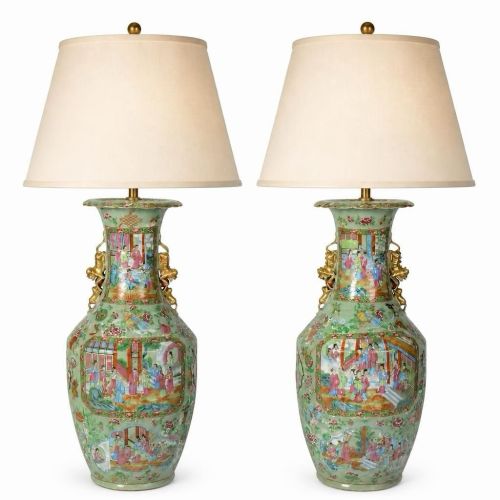
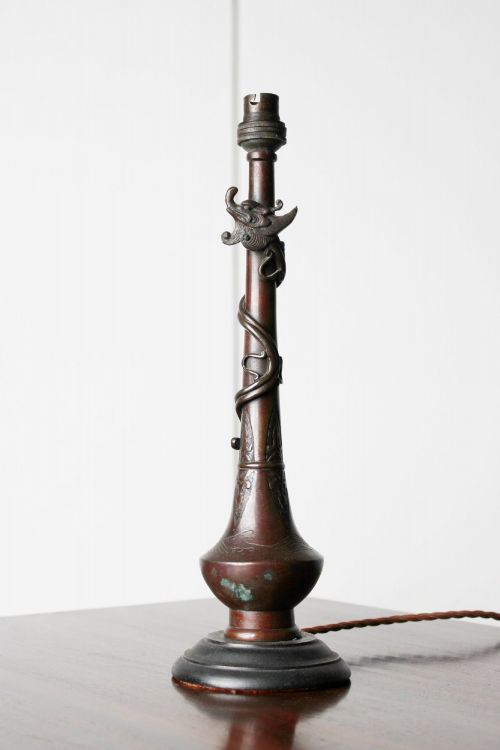
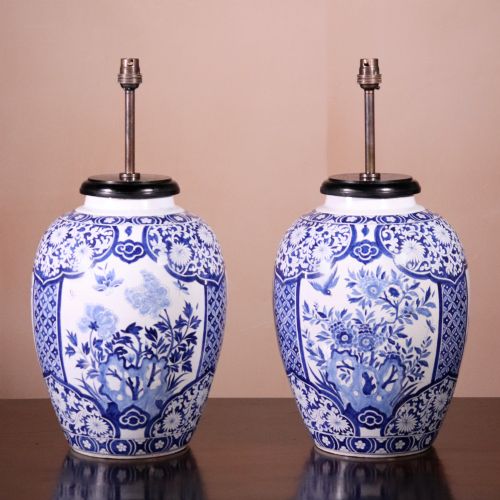
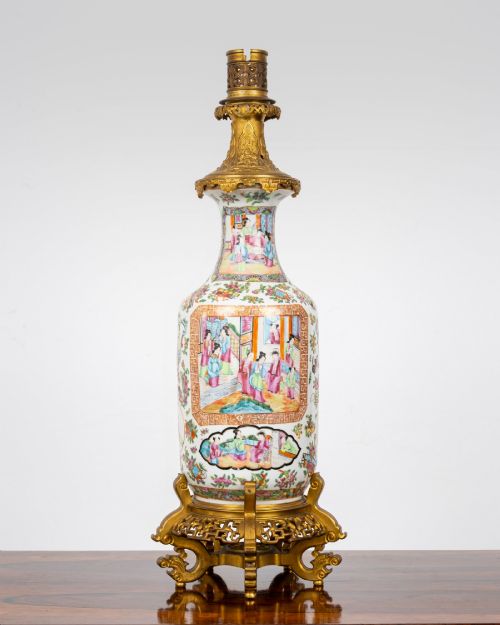
When searching for chinese oriental table lamps, buyers encounter converted vessels and purpose-built light fittings that draw on far eastern aesthetics. The selection relies heavily on nineteenth century porcelain vases, ginger jars, and bronze items adapted for modern electricity.
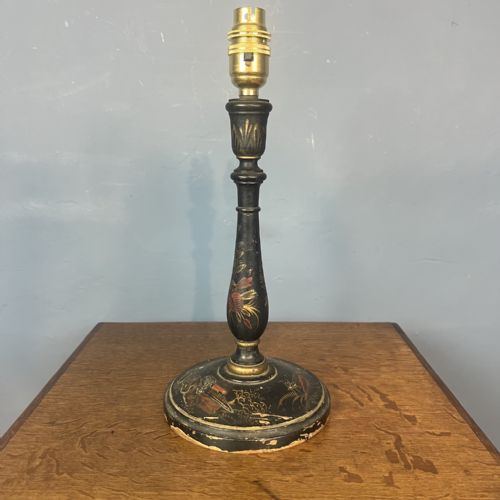
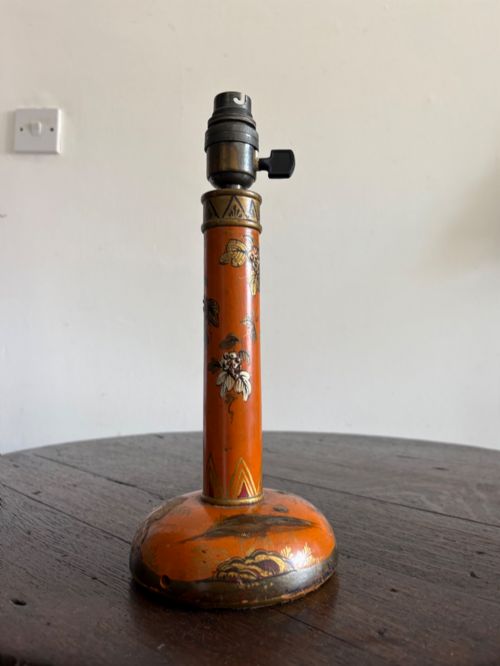
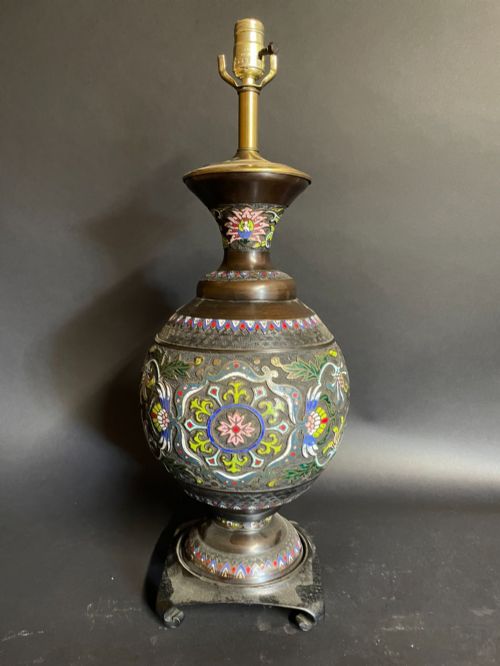
Most pieces combine traditional bodies with fitted wiring, spanning blue and white wares, famille rose, and cloisonné. Alongside ceramic forms, hardwood and lacquer items appear, reflecting distinct periods from Victorian adaptations to early twentieth century Edwardian chinoiserie.
Materials and construction
Makers utilised durable ceramic bodies such as porcelain, celadon, and earthenware, often decorated with hand-painted enamel or underglaze blue. These ceramic vessels were frequently fitted with bronze, ormolu, or brass mounts to secure electrical components.
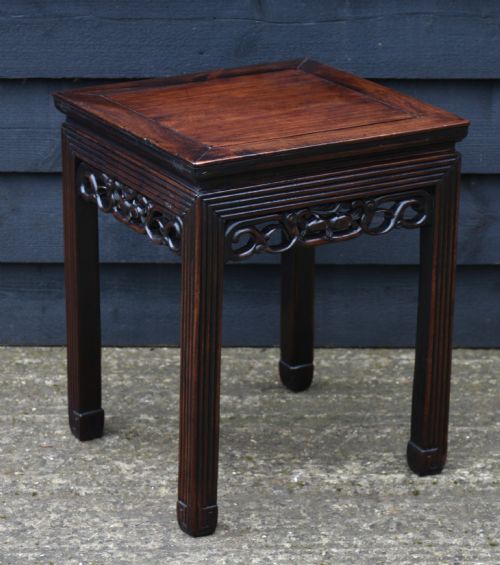
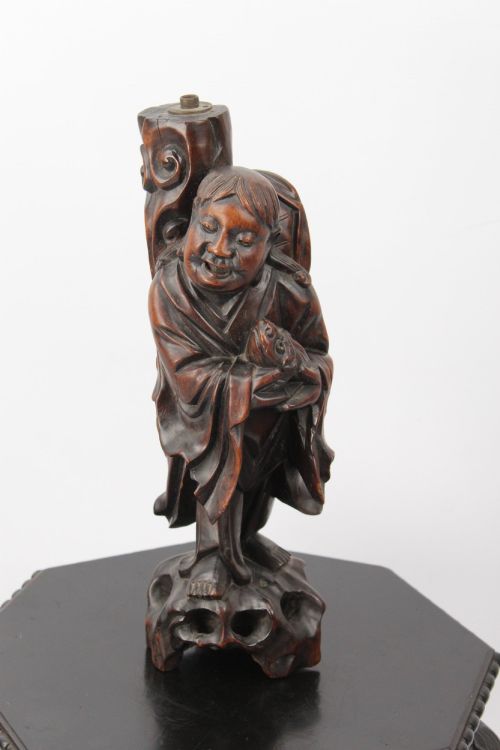
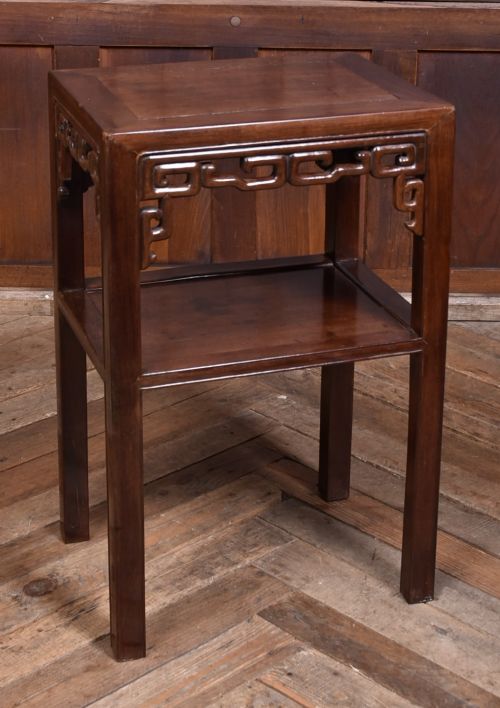
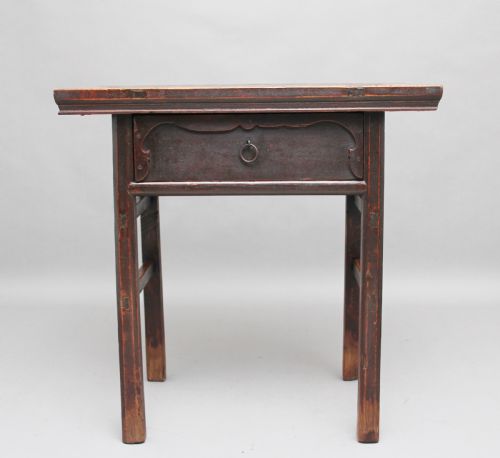
Wooden elements incorporate rosewood, elm, and carved root wood, while lacquer pieces display applied surface coatings. Metal components include patinated white metal and bronze, shaped to support both the body and the shade framework.
Judging the standard
Quality rests upon the preservation of the original body and the integration of metal mounts. Superior examples maintain crisp hand-painted detail on porcelain or cleanly carved surfaces on hardwood and root wood without heavy structural compromise.
The sophistication of the mounting work distinguishes finer pieces, particularly where ormolu or gilt bronze fittings match the proportions of the vase. Alterations to the ceramic body itself lower the integrity of the object.
The Chinese Oriental Table Lamps Glossary
- Famille Rose
- A palette of opaque enamels dominated by pink, used extensively on Chinese porcelain from the eighteenth century onwards.
- Cloisonné
- Enamelling technique where thin metal wire is soldered to a metal base to create compartments filled with coloured paste before firing.
- Celadon
- A pale green jade-like glaze applied to porcelain, developed in China centuries ago and prized for its subtle tone.
- Chinoiserie
- European decorative style reflecting Chinese artistic influences, popular during the Victorian and Edwardian periods.
- Ginger Jar
- A broad-shouldered ceramic storage jar with a domed lid, frequently converted into a table lamp base.
Chinese Oriental Table Lamps: Frequently Asked Questions
How do I date these lamps?
Dating relies on examining the ceramic body, glaze characteristics, and the style of any metal mounts attached to the base. Earlier pieces often display nineteenth century potting techniques and hand-mixed pigments.
Electrical wiring and fittings are usually modern replacements, so the assessment must focus entirely on the vessel itself rather than the current plug or cord.
Are these porcelain bodies original vases?
Many examples are indeed converted antique vases, ginger jars, and tea canisters that originally served decorative or storage purposes. These items were later drilled and fitted for electrical components to function as lighting.
Some pieces were created specifically as lamps or decorative stands during the Edwardian period, incorporating traditional motifs into contemporary room schemes.
What is the difference between famille rose and blue and white?
Famille rose utilises an opaque pink enamel alongside a broader polychrome palette to depict figures, flowers, and natural scenes. Blue and white porcelain relies on cobalt oxide painted directly onto the clay before glazing and firing.
Both styles were adapted into lamp bases during the nineteenth and twentieth centuries, appealing to different interior decoration tastes.
How do I care for a lacquer lamp?
Lacquer surfaces require gentle dusting with a soft, dry cloth and protection from direct sunlight and extreme humidity. Avoid chemical cleaning agents that can damage the delicate surface finish.
Handling the lamp by its solid wooden or metal base rather than decorative protruding elements helps preserve the structure.