
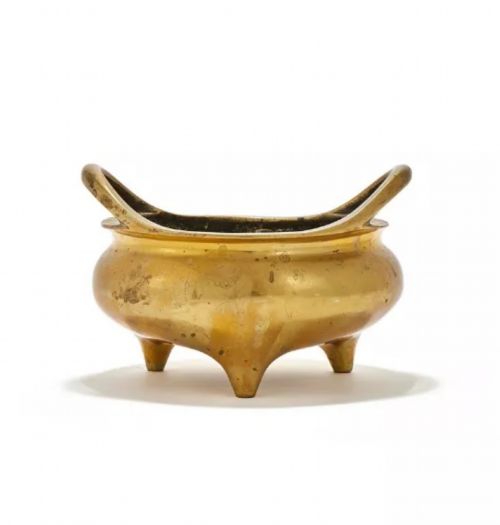
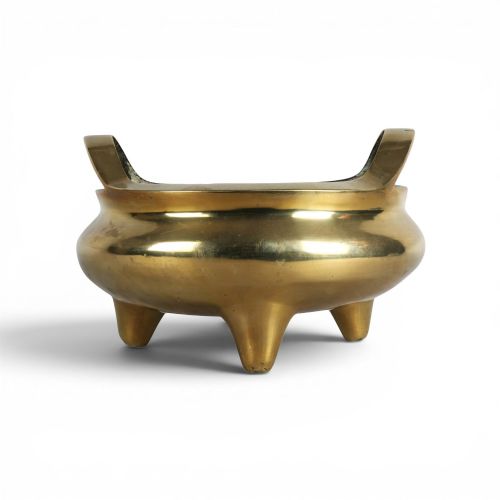
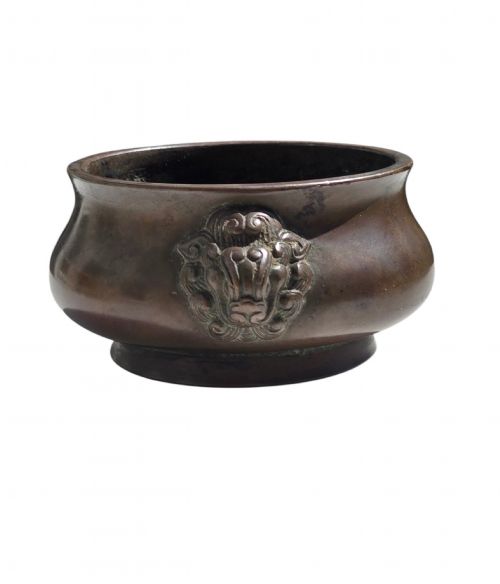

Chinese Metalwork Censer
A chinese metalwork censer brings ritual elegance to a room, offering heavy bronze and cloisonné vessels shaped for burning incense.
Chinese Metalwork Censer
A chinese metalwork censer serves as a decorative vessel designed for burning aromatic incense, originating across periods from the Ming Dynasty to the late Qing era. Buyers examine pieces ranging from scholar's desk models to large monumental tripod burners.
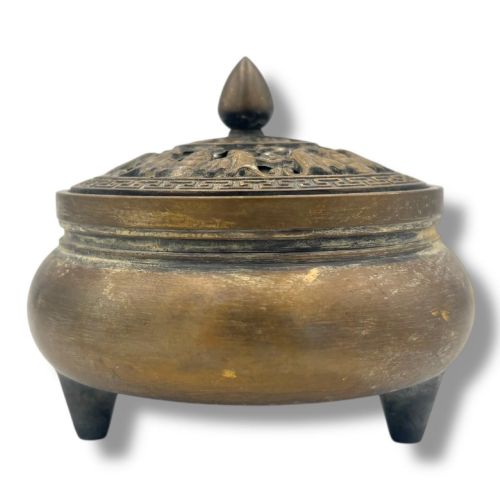
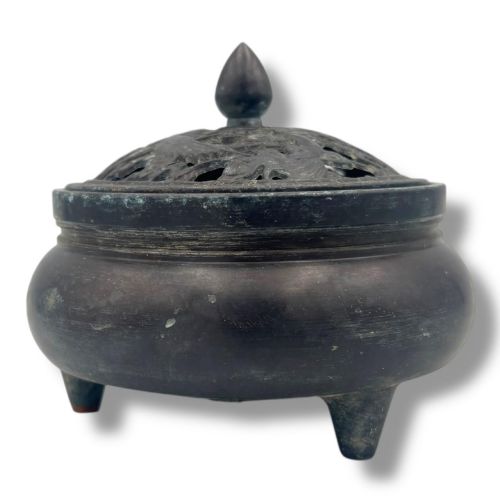
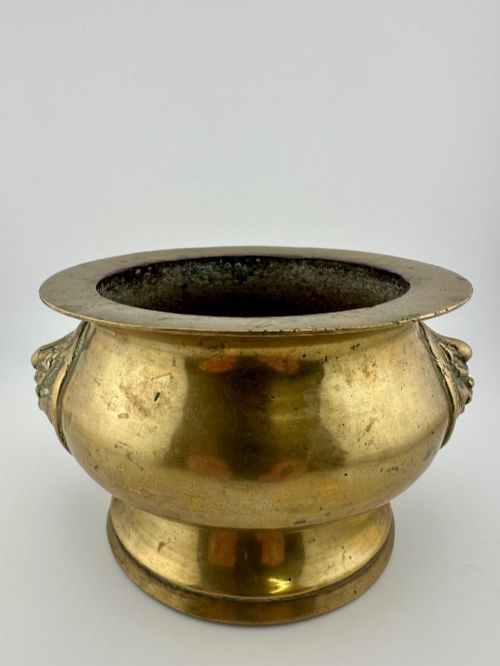
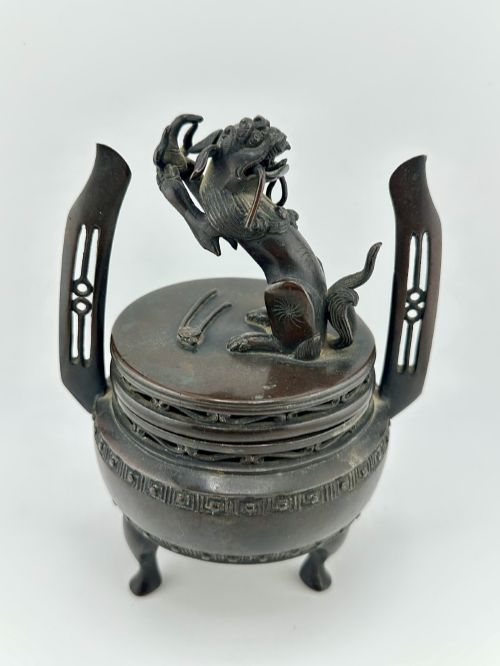
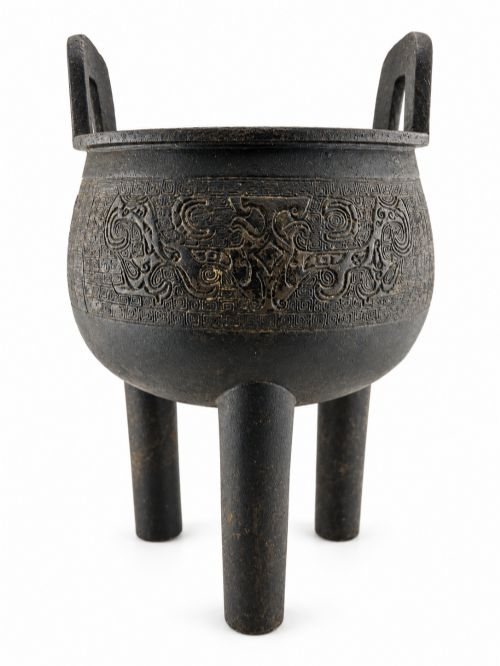
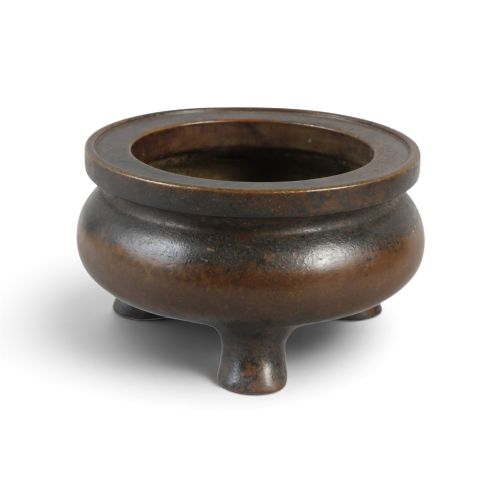
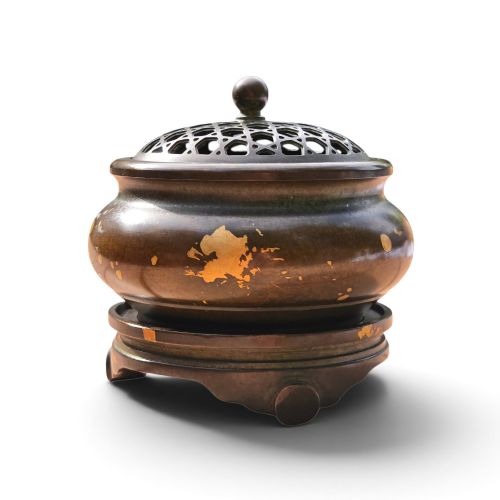
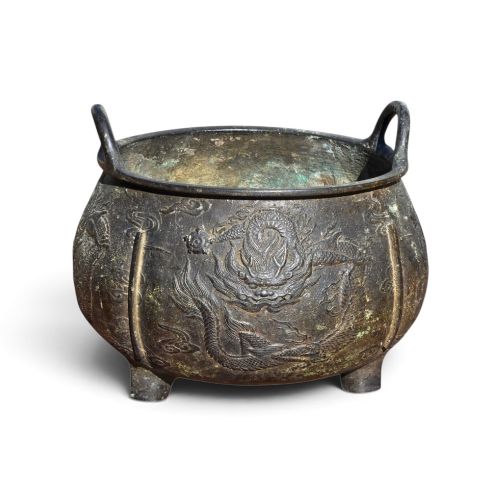
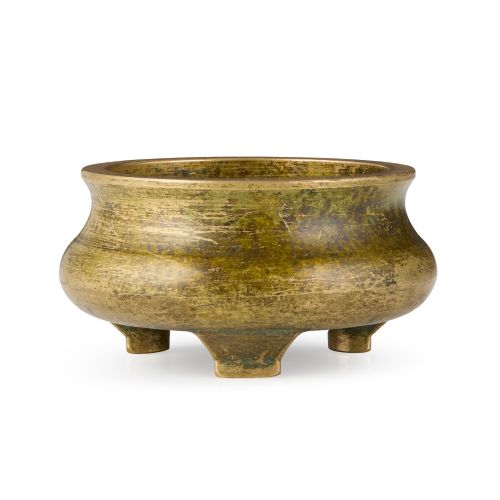
Tripod forms dominate the selection, supported by three feet and frequently paired with pierced lids, lion mask handles, or qilin finials. These vessel types reflect traditional archaistic designs that imitate ancient ritual bronzes.
The objects appear in various configurations, including bombé bowls, lobed lotus vessels, and pieces complete with contemporary zitan wood stands and matching covers.
Materials and Casting Techniques
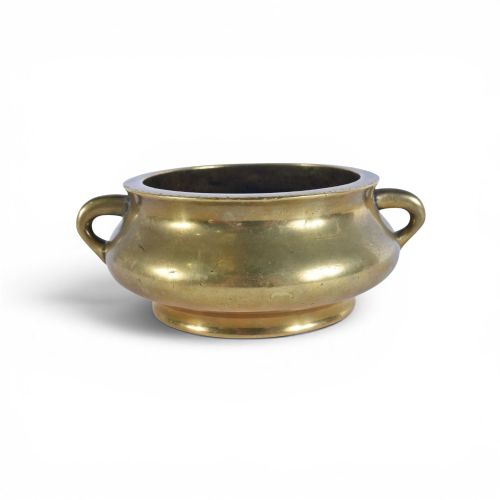
Foundries shaped these items primarily through metal casting, utilising patinated bronze, brass, and occasionally antimony or gold gilding. Heavier examples demonstrate substantial metal density and durable construction.
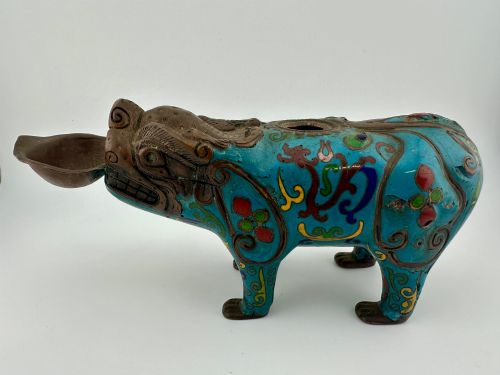
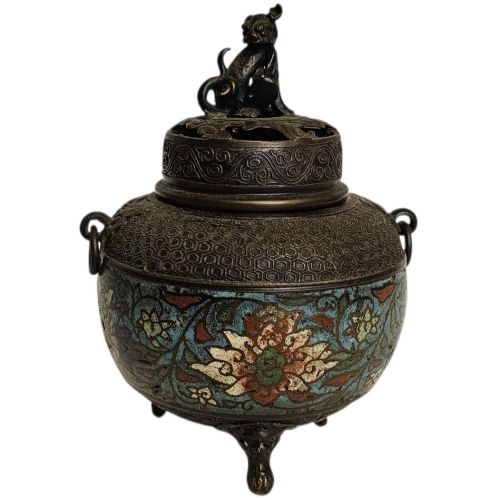
Cloisonné enamel introduces coloured wirework patterns across metal surfaces, while cast bronze pieces receive detailed chased motifs such as taotie decoration, dragon phoenix lids, and lotus florals.
The documented periods range from sixteenth-century Ming examples through to late nineteenth and early twentieth-century pieces.
Assessing Craftsmanship and Material Quality
Superior examples display crispness in cast relief work, particularly in the definition of taotie masks, foo lion finials, and mythical beast handles. Finer vessels maintain balanced proportions and substantial weight without surface distortion.
The presence of scholarly reign marks, integrated stands, and intact cloisonné enamel separates standard production pieces from higher-status studio works.
The Chinese Metalwork Censer Glossary
- Tripod
- A vessel supported by three legs, commonly seen in ancient and later ritual bronzes.
- Cloisonné
- An enamelling technique where metal wire forms compartments on the surface to hold coloured paste before firing.
- Taotie
- A stylised zoomorphic mask motif frequently cast onto archaic-style ritual bronzes.
- Zitan
- A dense, dark hardwood valued for custom stands and furniture associated with scholarly items.
- Xuande Mark
- An identifying mark referencing the Ming emperor, often added later to honour historical craftsmanship.
Chinese Metalwork Censer: Frequently Asked Questions
What is a chinese metalwork censer used for?
These vessels were historically utilised for burning incense during scholarly meditation, ancestral rites, or formal ceremonies in Chinese households.
Today, collectors use them as decorative interior objects, appreciating the sculptural form and patinated metal surfaces.
How do I date a bronze censer?
Dating relies on examining the casting style, surface patina, handle forms, and any reign marks stamped into the base of the metal.
Earlier pieces often display archaistic motifs and heavier scholarly forms, whereas later examples incorporate bright cloisonné enamel or antimony.
Are these censers made of solid bronze?
Many of the listed pieces consist of heavy cast bronze or brass, while others combine metal cores with cloisonné enamel or gold gilding.
Individual pieces vary from modest scholar's desk weights to monumental vessels scaling several kilograms.
What do lion mask handles signify?
Lion masks and foo dog finials were traditional protective motifs incorporated into vessel design to ward off negative influences.
These sculptural elements also provide functional grips or serve as decorative tops for lidded incense burners.