
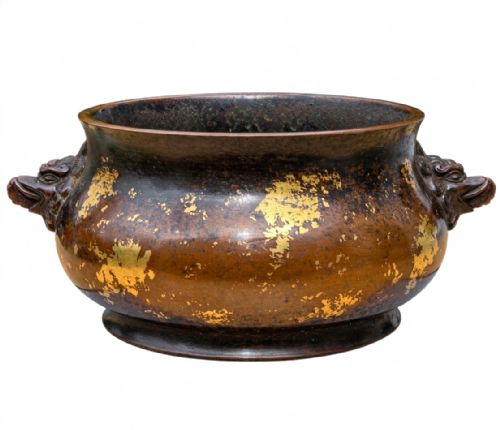


Bronze Taotie Vessel
A bronze taotie vessel brings ancient ritual form into the room, built around the fierce mask motif that dominates early metalwork.
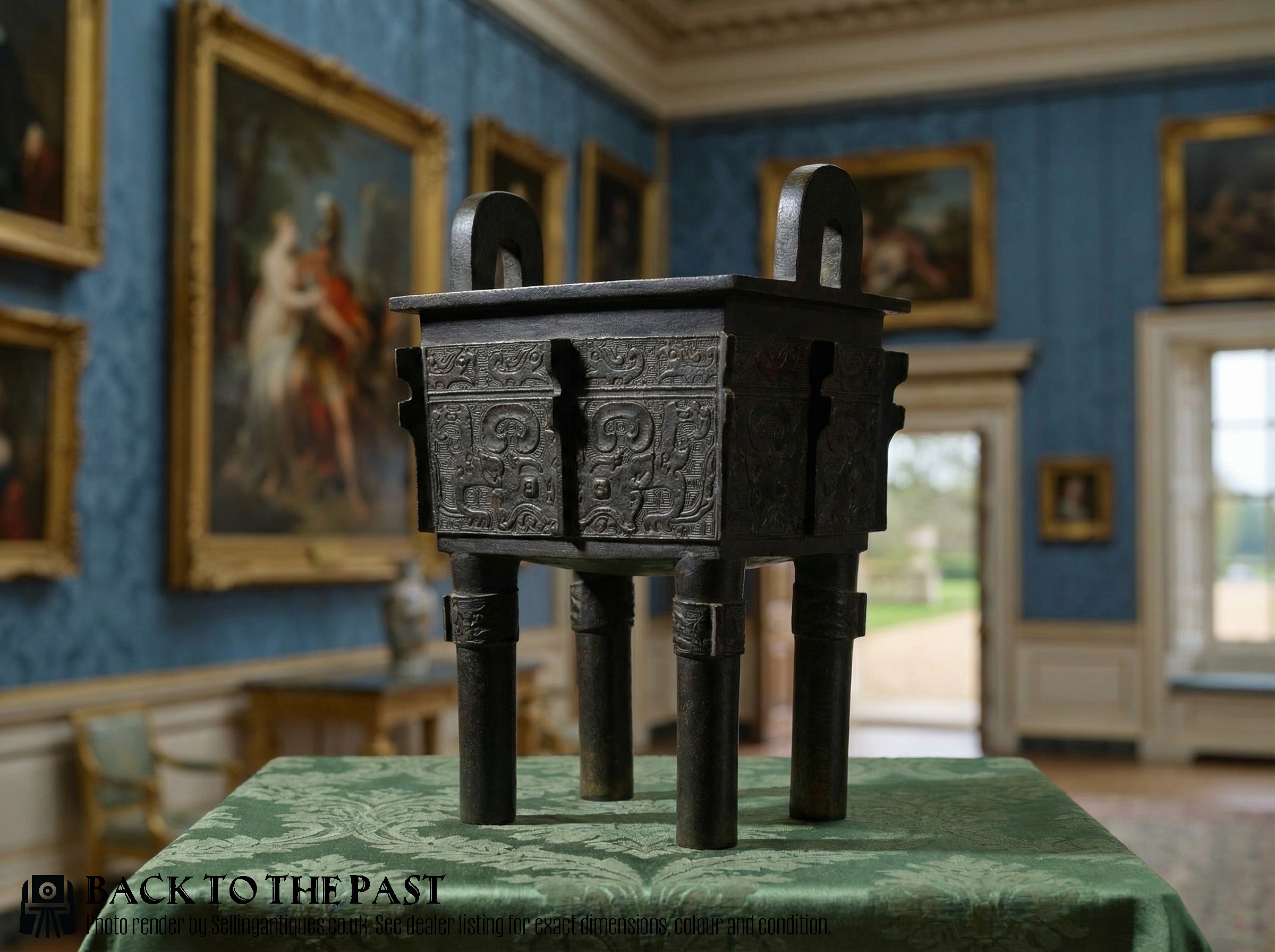
Bronze Taotie Vessel
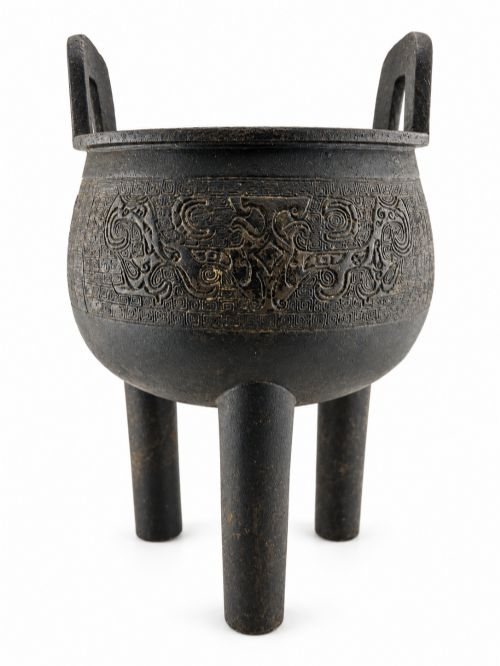
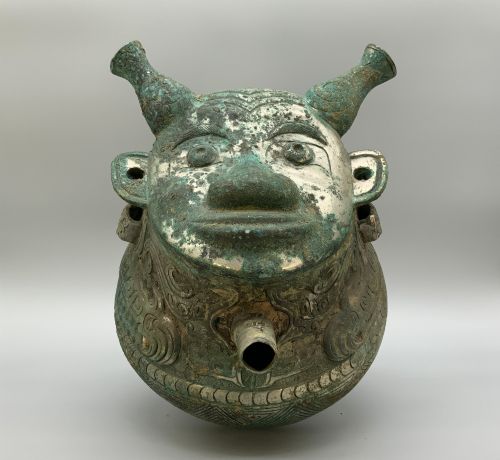
A bronze taotie vessel represents centuries of Chinese metalworking tradition, drawing on forms originally made for ritual sacrifice and ancestor worship. When you search for a bronze taotie vessel, you encounter objects ranging from tripod censers and wine vessels to vases decorated with the characteristic stylized animal face.
The examples available here stretch across multiple periods, from pieces attributed to the Shang Dynasty style and the Ming and Qing dynasties down to nineteenth-century revivals. Many take the shape of archaic tripods, ding vessels, and ritual cups adapted over generations for scholarly use or display.
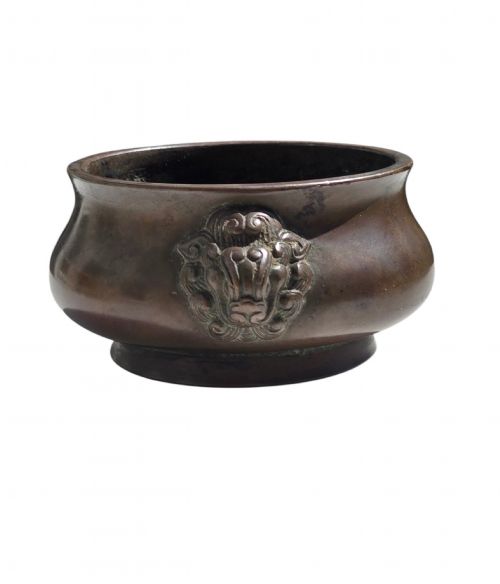
Makers across different eras deliberately echoed ancient bronzes, producing pieces that combine traditional ritual shapes with the patination and casting techniques of their own time. Collectors meet both functional incense burners and decorative vessels bearing the unmistakable taotie mask handles.
Distinctions in quality
Quality rests in the crispness of the casting and the depth of the metalwork, where sharply defined taotie details separate superior pieces from softer, later commercial copies. The weight of the bronze and the integrity of the vessel walls indicate the care taken during production.
The character of the patination contributes significantly to the visual success of a piece, with natural-looking surfaces outranking flat or chemically forced finishes. Harmony between the archaic form and the execution of the surface decoration determines the standing of an individual item.
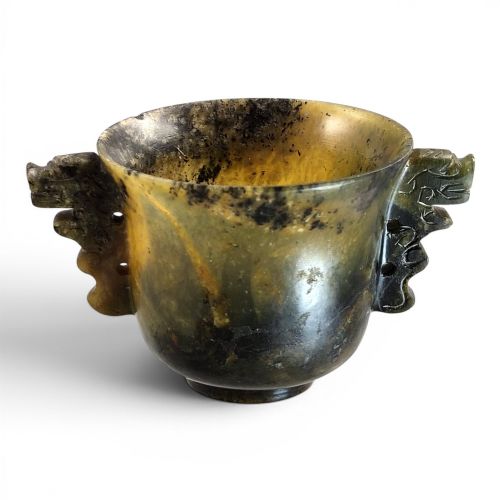
Object forms include tripod censers, ritual wine vessels, and vases created in both ancient styles and later revivals.
The Bronze Taotie Vessel Glossary
- Ding
- An ancient Chinese tripod vessel type featuring a bowl supported by three legs, often fitted with two vertical loop handles. Later dynasties revived this form for incense burning and scholarly display.
- Archaistic
- Describing later objects designed in deliberate imitation of ancient styles, particularly bronzes from the Shang and Zhou periods. Makers utilised this aesthetic across the Ming, Qing, and later eras.
- Patination
- The surface coloration and texture developed through age or chemical treatment on bronze. A stable, varied patina adds visual depth to the metal.
- Tripod
- A vessel standing on three legs, common in ancient ritual metalwork and subsequent censer designs. This configuration provides stability and elevates the body of the object.
Bronze Taotie Vessel: Frequently Asked Questions
What is a bronze taotie vessel used for?
These pieces originated as ritual vessels used for offerings of wine and food to ancestors in ancient China. In later centuries, many were adapted as incense burners or kept as scholar's desk objects for contemplation.
Today, they function primarily as decorative objects that bring historic form and texture into interior spaces.
How do I identify the age of a bronze taotie vessel?
Dating relies on examining the casting style, the composition of the bronze, and the character of the surface patination. Pieces associated with Ming or Qing periods often carry reign marks or reflect specific archaistic revivals popular among collectors of those eras.
Comparing the vessel form to established dynastic shapes helps narrow down whether a piece is an early example or a later revival.
What does the taotie motif represent?
The taotie is an ancient motif depicting a stylized animal or monster mask, usually split down the centre to show two profile faces. Its exact meaning in early Chinese culture remains debated among scholars, though it is commonly linked to protection and connection with the spirit world.
On later vessels, the motif serves as a direct stylistic link to the ritual bronzes of the Shang and Zhou dynasties.
Can I burn incense in these censers?
Many of the tripod vessels and censers listed were originally designed to hold burning incense or aromatic woods. While the heavy bronze construction handles heat well, collectors often choose to use modern inserts to protect historic patination.
Checking the interior condition of the vessel will confirm whether it is suitable for active use or better preserved for display.