
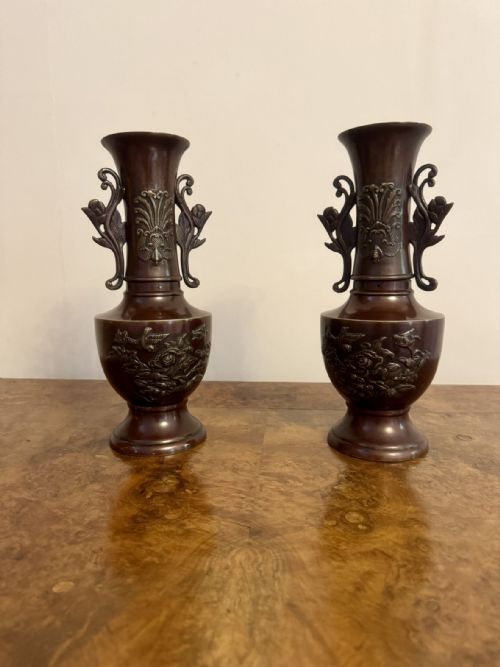

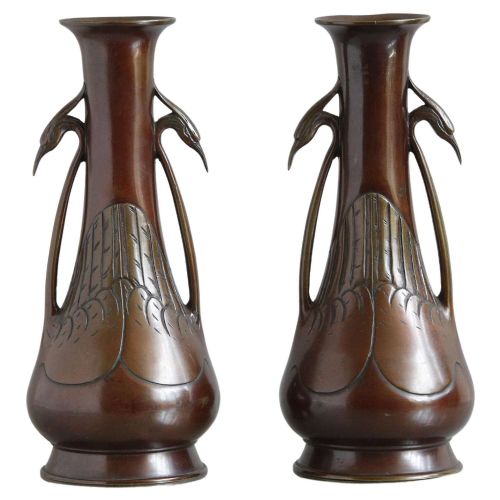


Dark Brown Bronze Vessel
A dark brown bronze vessel brings tactile weight and centuries of foundry skill straight to a room.
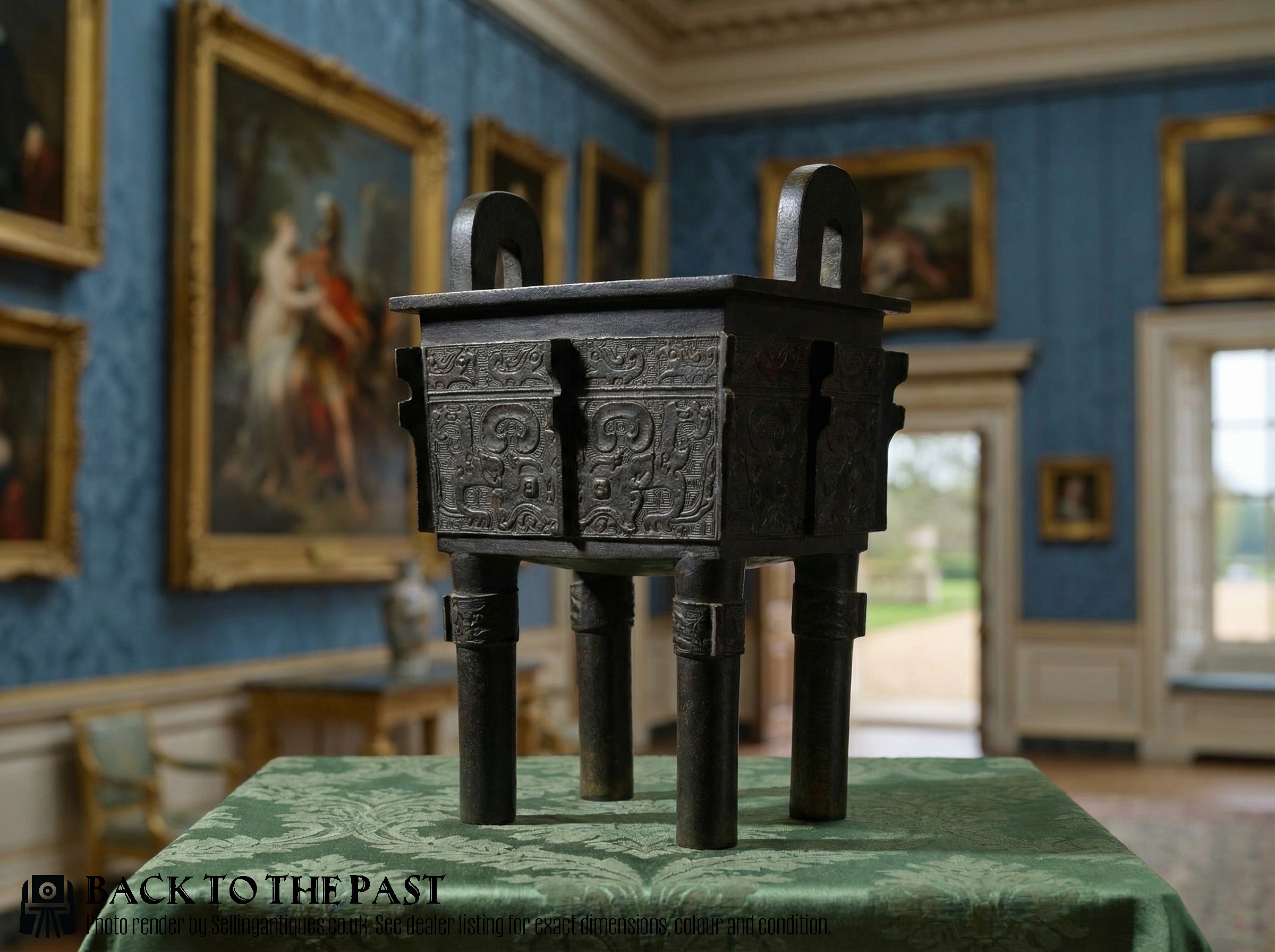
Dark Brown Bronze Vessel
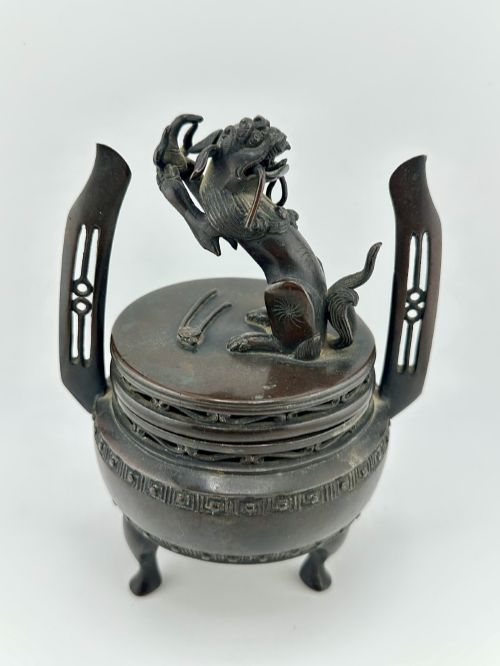
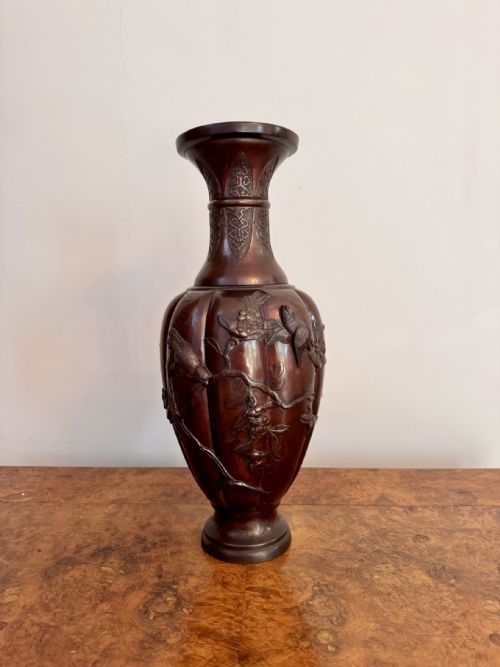
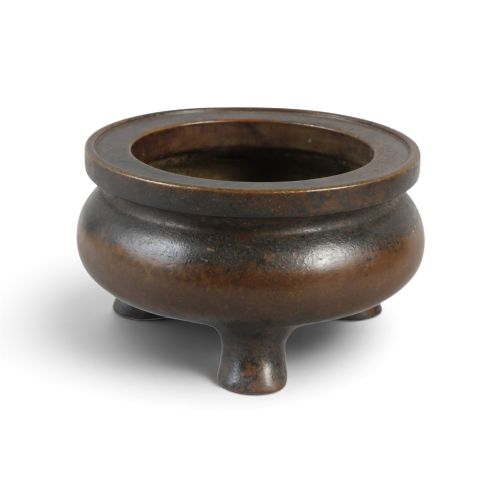
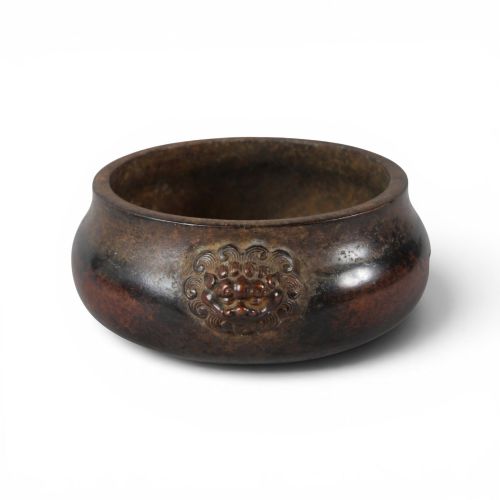
A dark brown bronze vessel spans centuries of metalwork traditions from Chinese ritual forms to Japanese Meiji decorative pieces and European figural works. When searching for a dark brown bronze vessel, buyers encounter objects designed for ritual use, scholar's desks, or floral display. These pieces range from heavy archaic censers to tall Japanese vases and jardinieres.
The selection on this page relies heavily on Japanese Meiji period examples and Chinese works spanning the seventeenth to the nineteenth centuries. Vases and incense burners dominate the forms, alongside altar pieces and ritual vessels. These items often feature dark patination developed over decades or centuries of handling and exposure.
How they were made
Foundries utilised casting techniques in bronze, often producing heavy, thick-walled items designed to hold water, incense, or plant arrangements. Cast bronze forms provided the structural rigidity needed for intricate surface detailing and handles shaped as dragons, egrets, or qilin finials.
Surface treatments included controlled patination to achieve deep dark brown tones, sometimes accented with gilding or enamel. Makers applied these patinas to enhance the visual depth of the metal and protect the underlying alloy from corrosion.
Materials recorded across the inventory include cast bronze, patinated bronze, gilded bronze, and enamel accents.
What varies in quality
The distinction between ordinary and superior pieces rests on the weight of the metal and the crispness of the cast. Heavy scholar's censers and large altar vases demonstrate a substantial density that reflects high metal content and rigorous foundry standards.
Artistic execution in handles, finials, and surface decoration dictates the upper tier of the range. Fine examples display deliberate proportion, balanced form, and a stable, undisturbed patina that reveals the natural ageing of the bronze over time.
Charles Korschann
The Dark Brown Bronze Vessel Glossary
- Censer
- A vessel designed for burning incense during rituals or for fragrance in domestic spaces. These often include a fitted cover with a sculptural finial.
- Patina
- The surface coloration and sheen developed naturally through age or artificially through chemical treatment. On these pieces, a rich dark brown patina is typical.
- Archaistic
- A style in later Chinese metalwork that consciously imitates the forms, patterns, and motifs of ancient ritual bronzes from early dynasties. It confers a sense of antiquity and scholarly taste.
- Gu vase
- An ancient Chinese ritual vessel form characterised by a flared trumpet mouth, a slender central section, and a wide spreading foot. They were later adapted as decorative flower vases.
- Jardiniere
- A large ornamental pot or bowl designed to hold growing plants or floral arrangements. These metal vessels provide a sturdy, heavy base for interior displays.
Dark Brown Bronze Vessel: Frequently Asked Questions
How do I use an antique bronze censer?
These vessels were originally cast to burn aromatic resins and plant materials during rituals or quiet reflection in scholar's studies.
Today, they function primarily as decorative objects or tabletop focal points, though some collectors continue to burn incense inside them.
Why are some bronze vessels so heavy?
Many traditional scholar's censers and altar pieces were cast with thick walls to provide stability and a substantial physical presence.
This high metal density is often a direct indicator of quality and robust construction in earlier East Asian metalwork.
How should I clean a dark bronze vessel?
Historic bronze surfaces rely on their original patination to maintain their historical character and visual depth.
Dusting gently with a dry, soft cloth is sufficient, as aggressive cleaning or polishes will strip away the aged brown surface layer.
How can I tell the age of a bronze vase?
Dating relies on examining stylistic markers, such as the characteristic forms of the Meiji period or earlier Chinese archaistic designs.
Object proportions, casting seams, and the depth of the patinated surface also offer clues to the era of manufacture.