

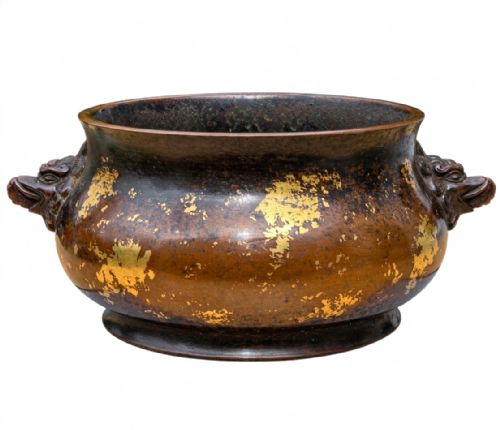


Ming Bronze Vessel
These ming bronze vessel examples are substantial scholar's pieces and ritual forms that bring centuries of Chinese metalwork history into a modern room.
Ming Bronze Vessel
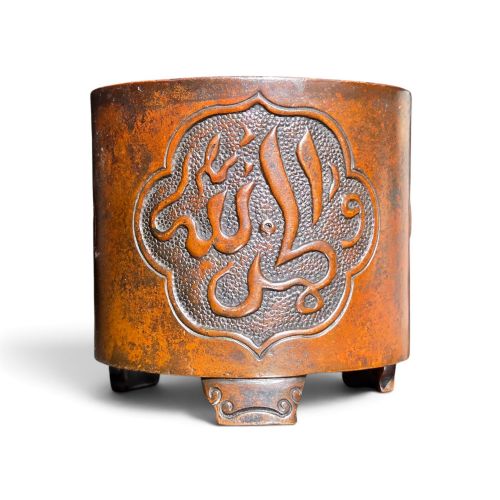
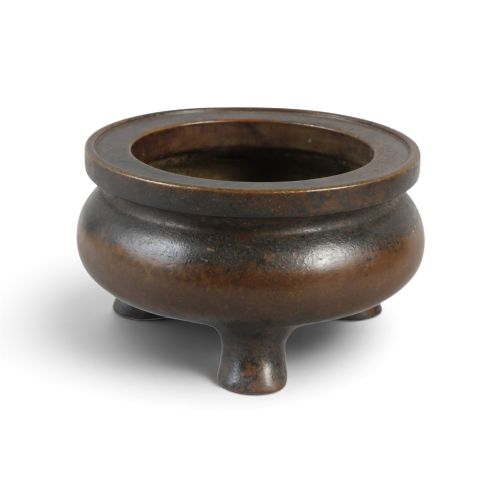
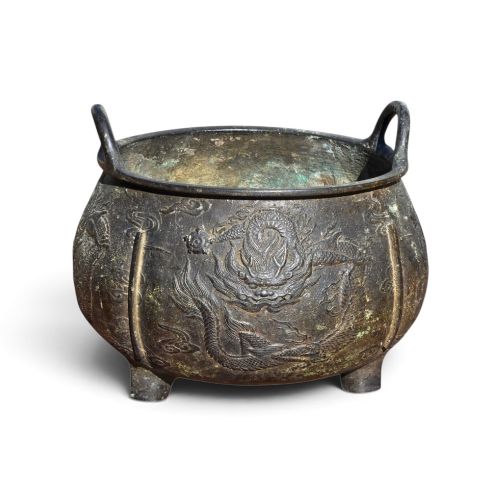
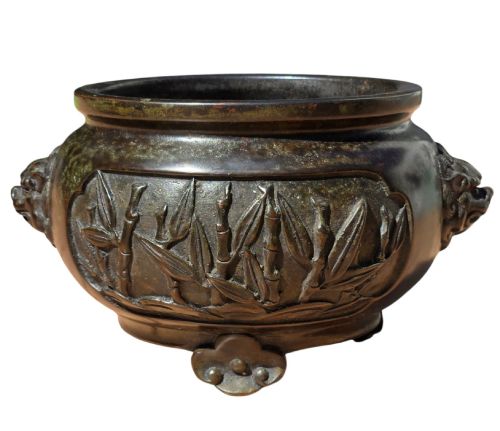
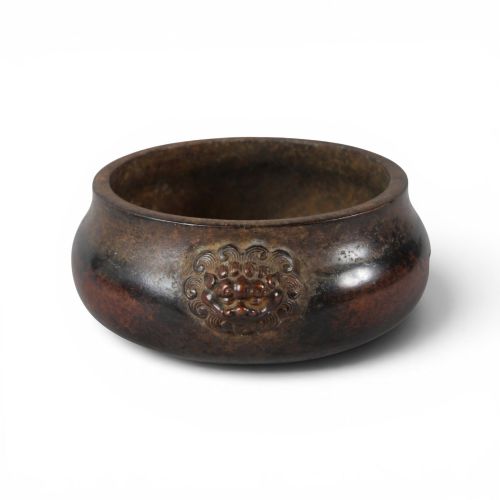
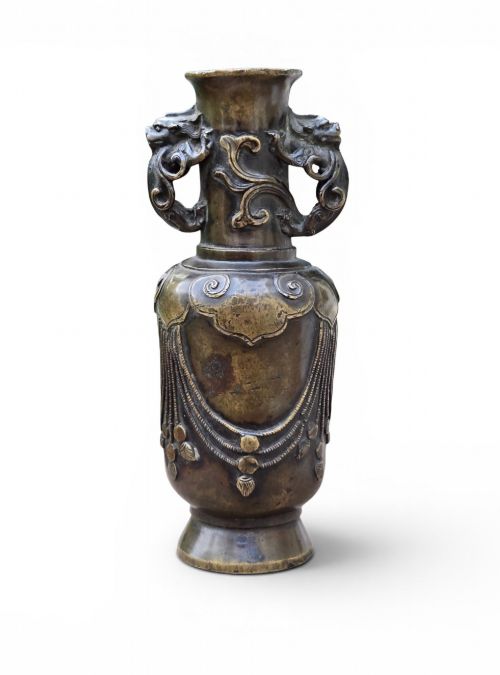
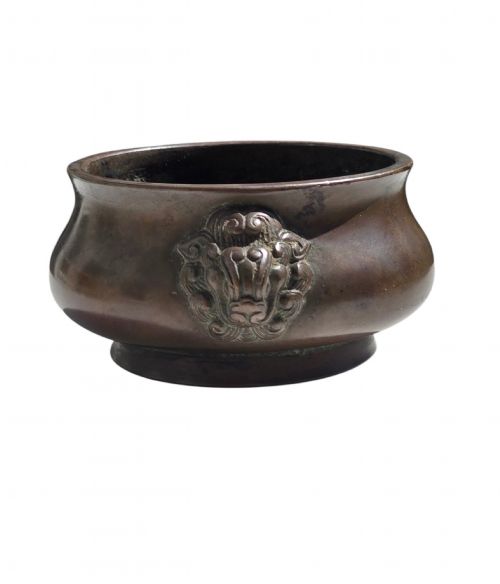
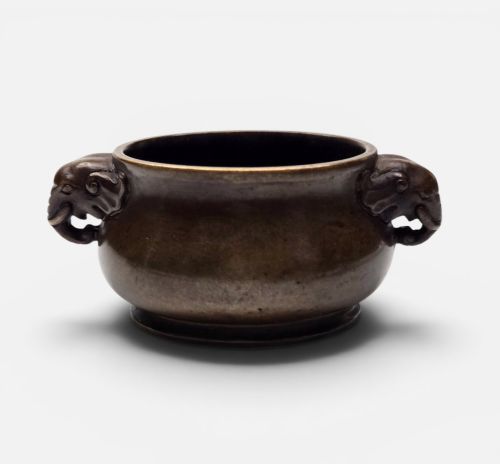
When you search for ming bronze vessel, you encounter a selection of heavy ritual and scholar's objects originating from sixteenth and seventeenth-century China. The forms on this page primarily comprise tripod censers, censers with mask handles, and vases designed for scholarly use.
You are most likely to meet substantial cast pieces featuring archaic motifs such as taotie masks and lotus lobes, alongside examples created for the Islamic market. These vessels reflect the sophisticated tastes of the Ming Dynasty and transitional periods.
Methods and materials of production
The objects are produced through sophisticated casting techniques in bronze and copper alloy, frequently resulting in massive weights that demonstrate considerable metallurgical skill. Artisans applied surface treatments including gold leaf and gilt-splashing to enrich the metallic texture.
Selected pieces incorporate auxiliary materials such as zitan wood for contemporary stands, combining dense exotic timber with heavy metalwork. Relief panels and delicate handles are cast directly into the body or applied with precision.
Listings feature items spanning the pre-sixteenth century, sixteenth century, and seventeenth century, utilising bronze, copper alloy, zitan wood, and gold leaf.
Distinctions in craftsmanship
The highest tier of these objects displays exceptionally heavy casting combined with crisp, deep relief work in motifs like taotie masks and lotus petals. Weight and structural density serve as primary indicators of quality among scholar's censers.
Surface finish also differentiates the range, where controlled gilt-splashing or integrated zitan stands elevate an individual piece. Superior examples maintain clear stylistic coherence with archaic Chinese models while retaining period manufacturing characteristics.
The Ming Bronze Vessel Glossary
- Censer
- A vessel used for burning incense during rituals or in scholarly settings. These containers often feature tripod supports and intricate handles.
- Archaistic
- A style that consciously imitates the forms, decorations, and aesthetic of ancient Chinese bronzes from earlier dynasties. Makers utilise this approach to connect current works with historical ritual traditions.
- Zitan
- A dense, heavy tropical hardwood native to southern China, prized for its dark colour and fine grain. It frequently appears in custom-made stands for scholar's objects.
- Gui
- An ancient ritual bronze vessel form characterised by a bowl shape and loop handles, adopted by later Ming metalworkers. These pieces served both ceremonial and scholarly decorative functions.
Ming Bronze Vessel: Frequently Asked Questions
What is a ming bronze vessel used for?
These pieces functioned primarily as incense burners in scholarly studies or ritual spaces, creating an atmosphere conducive to contemplation. Their substantial weight and refined forms also made them objects of quiet contemplation and display for the literate elite.
Over time, collectors valued them as tangible links to historical dynasties, appreciating both their utilitarian origins and their sculptural qualities within an interior.
What periods do these bronzes cover?
The pieces span from pre-sixteenth century examples through the sixteenth and seventeenth centuries, encompassing the Ming Dynasty and transitional eras. Each period brings distinct nuances in casting thickness and decorative vocabulary.
Later seventeenth-century works often reflect sophisticated revivals of archaic styles alongside adaptations for specialised markets.
How should I display a heavy bronze censer?
Given their substantial weight, these vessels require a sturdy surface such as a low table, cabinet, or dedicated stand. Many pieces benefit from proximity to neutral backgrounds that allow the patination and cast relief details to catch the light.
Pairing a bronze vessel with its contemporary zitan wood stand provides both structural security and a traditional visual contrast between dark timber and aged metal.