



18th Century Bronze Censer
An 18th century bronze censer is a substantial vessel forged for ritual or contemplation, bringing quiet historical presence to a modern desk or mantel.
18th Century Bronze Censer
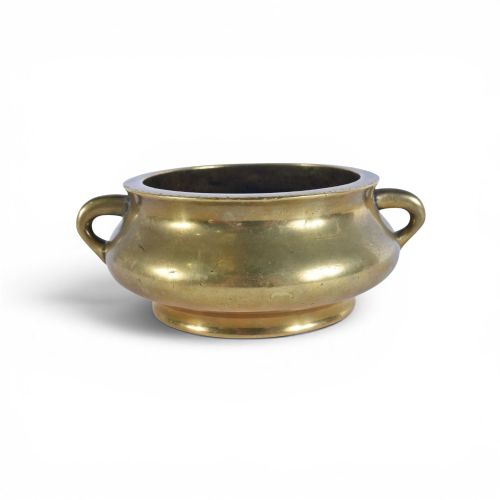
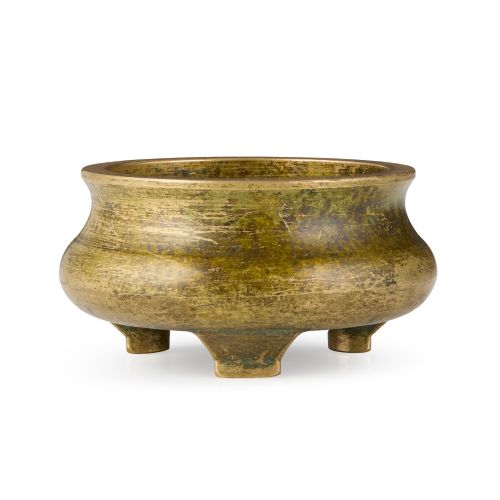
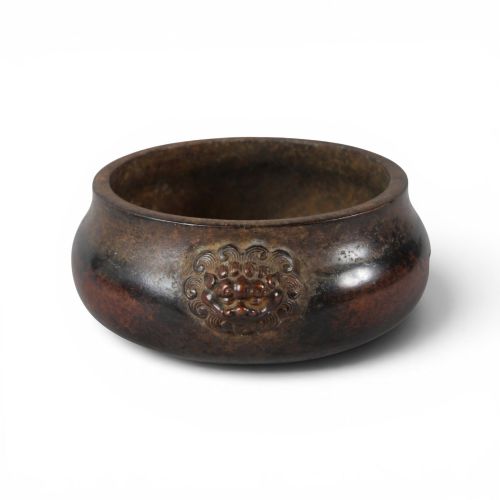
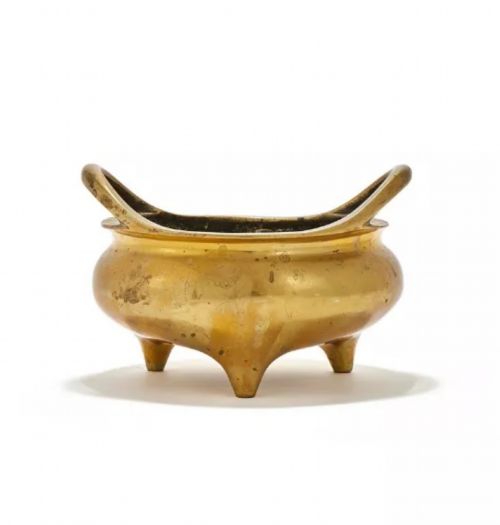
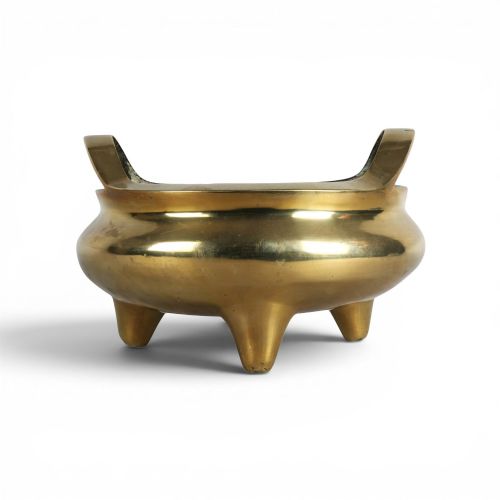
The 18th century bronze censer category spans ritual vessels, scholar's studio pieces, and tripod incense burners originating from Chinese Qing Dynasty and Japanese Edo Period workshops. Buyers encounter heavy freestanding forms, including bombé shapes, ritualistic food bowls, and figural models incorporating kylin designs.
Most examples date firmly within the eighteenth century, with occasional pieces stretching back into the seventeenth century or crossing stylistically into Georgian interpretations. These vessels served practical functions for burning incense in scholarly retreats as well as ornamental roles in domestic interiors.
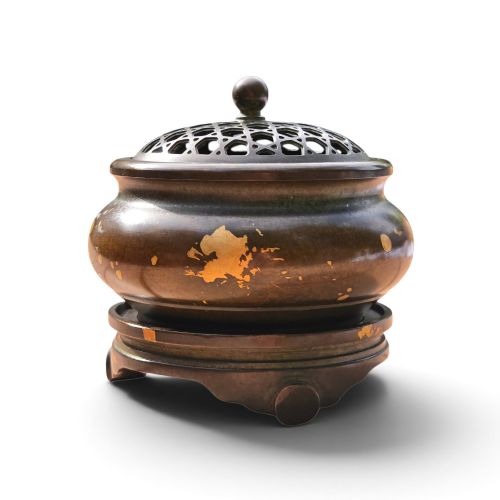
The objects take diverse forms such as tripod basins and covered desk censers complete with matching stands. Each item reflects the aesthetic priorities of its period, balancing functional utility with refined decorative carving and casting.
Materials and Casting Techniques
Metalworkers utilised durable copper alloys like bronze and brass, sometimes applying gold gilding or gold-splash surface treatments to enrich the metallic tone. These heavy materials provided the structural integrity needed for thick-walled tripod vessels and large ritual bowls.
Foundries employed traditional lost-wax or sectional mould casting methods to achieve complex geometries, crisp seal marks, and thick proportions. Artisans then finished the surfaces through patination, polishing, and the careful application of subsidiary elements such as wooden stands.
Listings include heavy scholar's censers weighing over four kilograms alongside delicate gold-gilded desk accessories.
Evaluating Quality and Craftsmanship
Quality rests in the weight of the metal and the precision of the casting, where thicker walls and heavier grams distinguish superior scholarship pieces from lighter decorative items. Crisp definition in cast marks, such as Xuande or Wu Bangzuo characters, marks work from superior workshops.
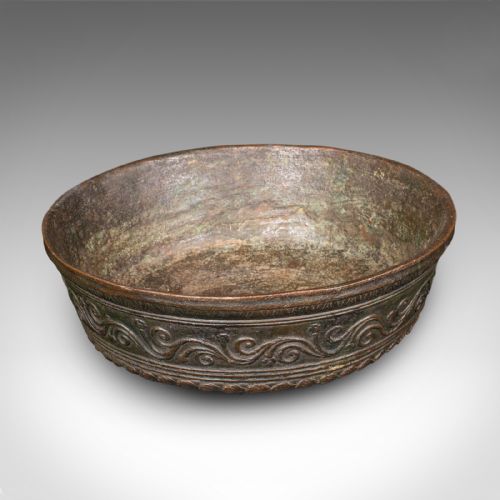
Surface finish further separates standard production from exceptional work, visible in the controlled application of gold-splash effects and the depth of the natural patina. The integration of balanced tripod feet, matching covers, and complementary wood stands completes the architectural integrity of higher-tier vessels.
Wu Bangzuo·Xuande
The 18th Century Bronze Censer Glossary
- Censer
- A vessel designed for burning incense during rituals or quiet contemplation. These pieces feature open bowls or covered containers with perforated lids.
- Tripod
- A vessel supported by three feet. This configuration provides stability on uneven surfaces and elevates the body of the censer.
- Bombé
- A swelling, rounded furniture and vessel profile with a convex lower section curving inward toward the rim. This contour offers a smooth, tactile surface for bronze objects.
- Archaistic
- A decorative style that deliberately emulates ancient forms, motifs, and ritual vessel designs from earlier dynasties. Makers used this approach to connect modern works with historical authority.
- Patina
- The surface sheen and colour acquired by bronze over decades of handling and oxidation. This natural skin protects the metal and records the age of the object.
18th Century Bronze Censer: Frequently Asked Questions
What is an 18th century bronze censer?
It is a heavy metal vessel cast during the 1700s primarily in China or Japan to burn incense or serve as a decorative scholar's desk object.
These pieces range from plain tripod bowls to elaborate figural burners with covers and distinct reign or studio marks.
How were these bronze censers used?
Owners burned aromatic resins or wood inside the vessels during scholarly study, meditation, or ancestral rituals.
They also functioned as static decorative art objects on desks, altars, and tables within refined interiors.
How do I care for antique bronze?
Keep the metal dry and dust it gently with a soft cloth to preserve the natural historic patina without stripping the surface.
Avoid using harsh chemical polishes or abrasive cleaners that can permanently damage the bronze skin and applied gold gilding.
How do I identify Chinese and Japanese periods?
Study the stylistic markers, such as Qing Dynasty archaistic motifs or Edo period vessel forms, alongside any cast studio or reign marks.
Compare the weight, alloy colour, and casting techniques against known regional standards from the eighteenth century.