



Chinese Lacquer Chest
A chinese lacquer chest brings heavy gilt ornamentation, deep red or black surfaces, and centuries of export craftsmanship directly into a room.
Chinese Lacquer Chest
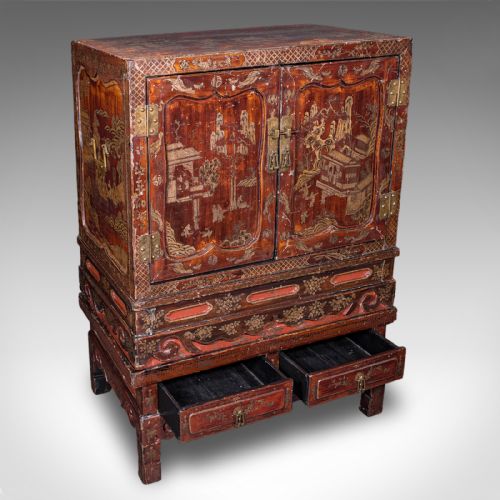
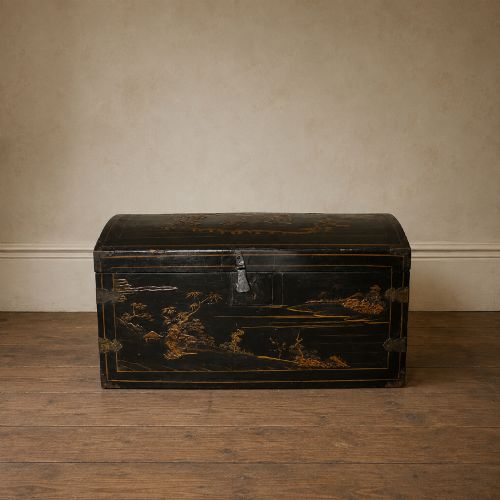
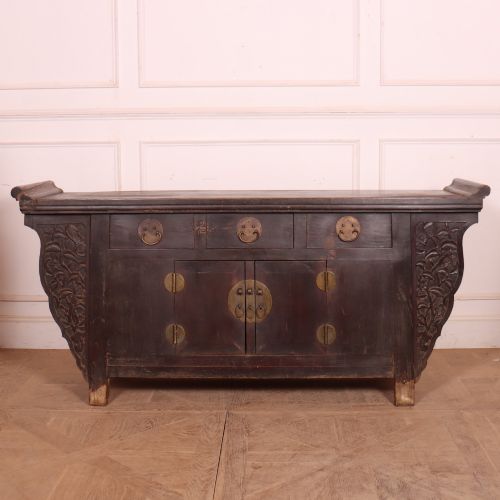
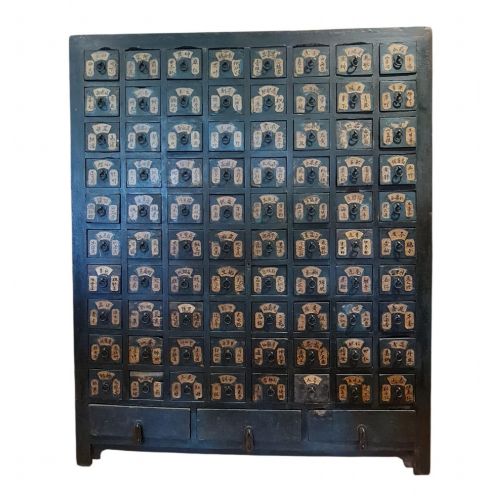
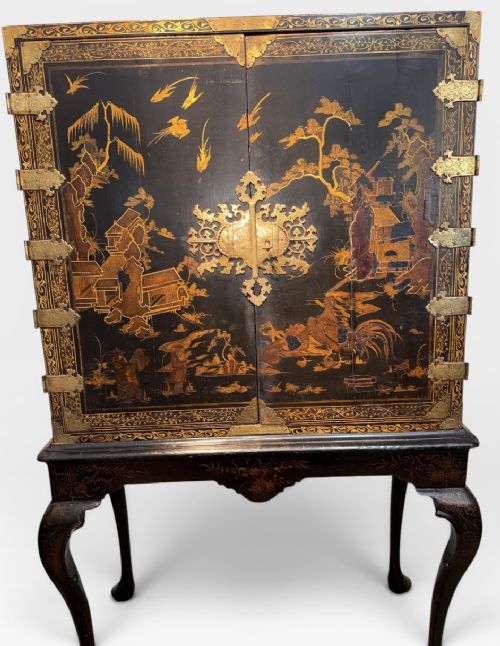
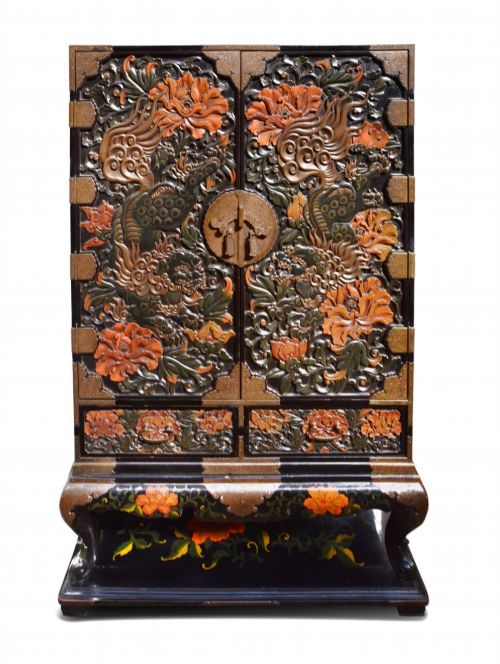
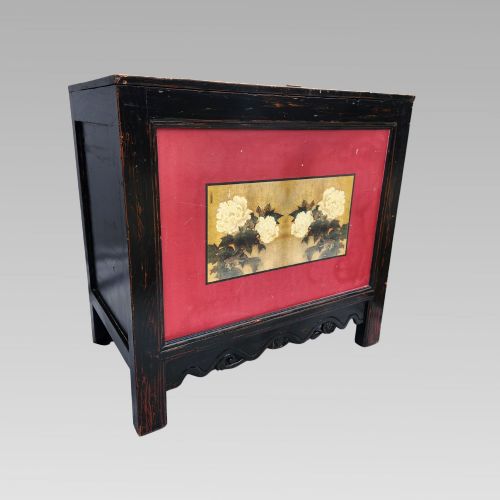
When searching for a chinese lacquer chest, collectors encounter a wide array of storage forms spanning centuries of Asian and European trade. The listings here consist primarily of nineteenth-century export trunks, table cabinets, apothecary cupboards, and later twentieth-century decorative boxes.
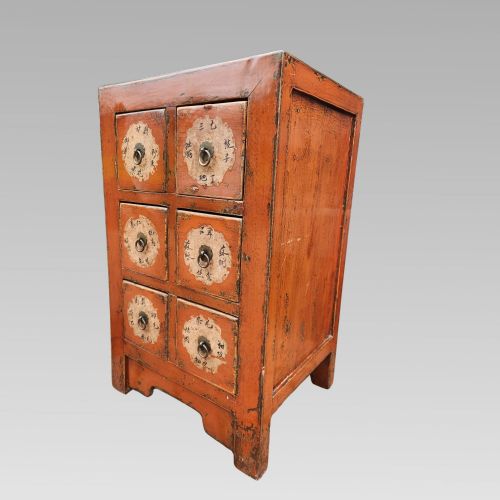
The objects derive from various traditions, including Qing Dynasty workshops, provincial elm makers, and Western-market Chinoiserie interpretations. Buyers will frequently meet black or red lacquered wood trunks, sideboards, and multi-drawer medical cabinets within this selection.
Many examples combine domestic utility with striking visual presence, ranging from modest tea caddies to monumental red cupboards and campaign cases. These forms reflect both indigenous storage needs and the heavy influence of the global trade routes active during the Victorian era and the early decades of the twentieth century.
Materials and structural techniques
The construction of these pieces relies heavily on stable foundational timbers such as elm, camphor wood, and general lacquered wood, often reinforced with brass or iron hardware. Artisans applied successive coats of tree sap lacquer to build deep, protective surfaces capable of holding intricate detail.
Decoration typically involved gold leaf and fine gilding applied over the dark or pigmented lacquer ground to render floral motifs, figures, and landscapes. In several instances, inlaid elements, leather coverings, and carved wood components provide the primary surface texture and structural framing.
Current listings demonstrate a prevalence of 19th-century and 1920s pieces, utilising lacquered wood, brass, iron, and gold leaf across styles from Chinoiserie to Qing Dynasty.
Judging the finish and condition
The grade of an object depends significantly on the depth and integrity of the lacquered surface and the preservation of the original gold leaf decoration. Pieces retaining their early pigment layers and unblemished gilding stand apart from later, heavily restored or weathered examples.
Structural harmony also dictates value, where integrated stands, original brass or iron hardware, and intact internal fittings like multiple apothecary drawers demonstrate superior craftsmanship. The crispness of the carved details and the stability of the underlying timber ground further distinguish the finer pieces.
The Chinese Lacquer Chest Glossary
- Lacquer
- A durable finish derived from processed tree sap, built up in numerous layers to create a hard, glossy protective coating. It forms the primary protective and decorative skin on these chests.
- Chinoiserie
- European artistic interpretation and imitation of Chinese and East Asian artistic traditions, popular in furniture and decorative arts during various periods. This style heavily influences many western-market cabinets.
- Gilt
- A thin application of gold leaf or powdered gold used to decorate surfaces. It highlights the pictorial scenes and borders on black and red lacquer grounds.
- Apothecary chest
- A multi-drawer cabinet traditionally used for storing medicinal herbs, powders, and remedies. These pieces are notable for their grid of numerous small drawers.
- Export
- Goods manufactured in China specifically for trade and export to Western markets, often blending Eastern construction with Western furniture forms.
Chinese Lacquer Chest: Frequently Asked Questions
How do I clean a lacquer chest?
Dust the surface regularly with a soft, dry cloth to prevent particulate accumulation. Avoid using chemical solvents, abrasive cleaners, or excess water, which can damage the aged lacquer layers.
Maintain a stable room humidity to prevent the underlying wood from expanding or contracting, which risks cracking the brittle lacquer skin over time.
Were these chests made for export?
Many surviving pieces were manufactured specifically for the Western export market, combining traditional Asian lacquer techniques with European furniture preferences. These items often arrived via maritime trade routes during the nineteenth and early twentieth centuries.
Other examples served domestic functions within China, such as apothecary storage or wedding preparations, before eventually entering the antiques market.
What is camphor wood?
Camphor wood is a fragrant timber frequently utilised for storage trunks and blanket boxes due to its natural insect-repellent properties. The distinct aroma helps protect stored textiles from moths and dampness.
It provides a stable, aromatic interior that complements the exterior decorative lacquer or carved panels.
How can I date a lacquer cabinet?
Dating relies on examining the construction methods, the type of hardware employed, and the composition of the lacquer ground. Nineteenth-century examples often feature hand-cut dovetails, traditional Asian joinery, and distinct patination on the brass or iron mounts.
Comparing the decorative motifs against known Qing Dynasty patterns or Victorian Chinoiserie trends helps narrow the production window.