

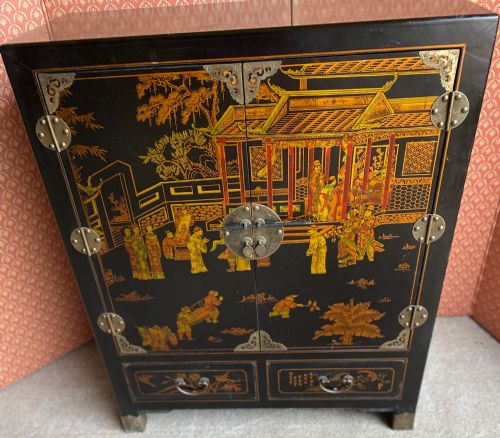

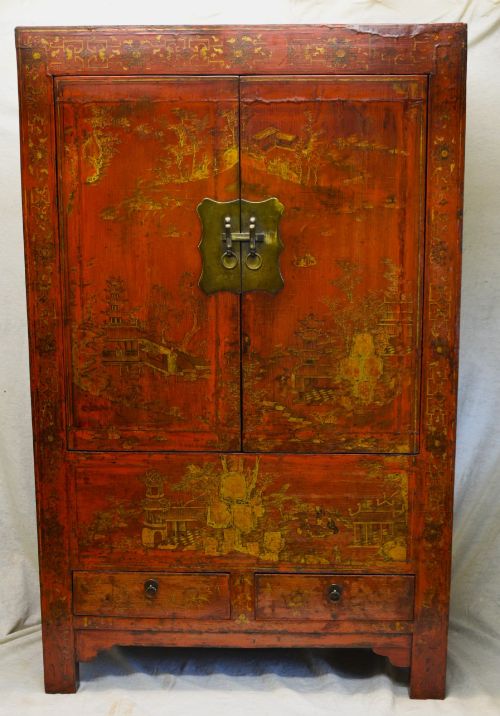
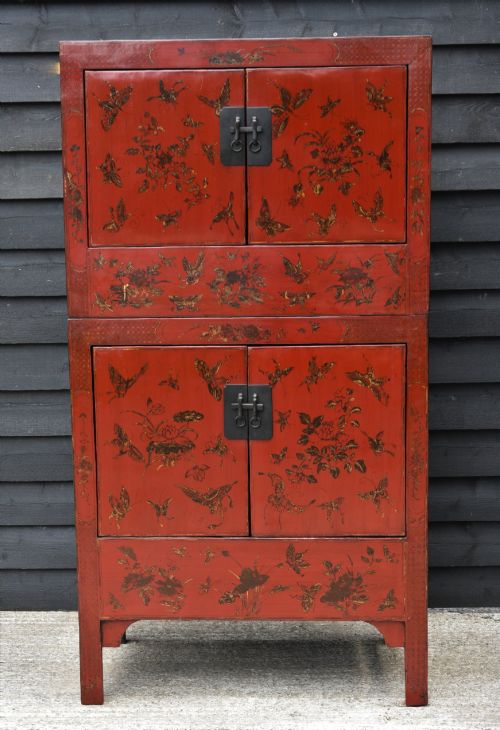
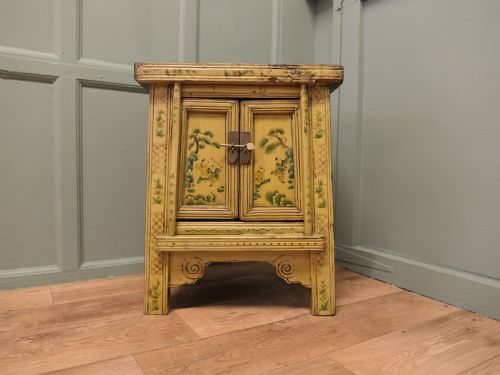


Asian Lacquer Storage Cabinet
An asian lacquer storage cabinet brings rich colour and deep texture to a room, holding belongings behind panels built to endure.
Asian Lacquer Storage Cabinet
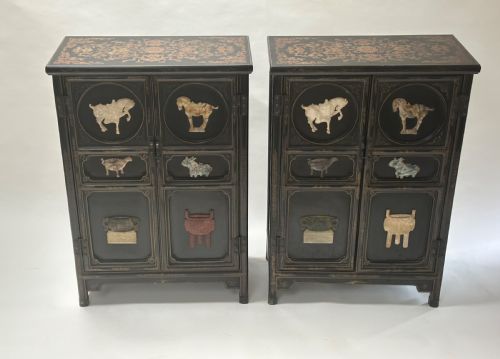
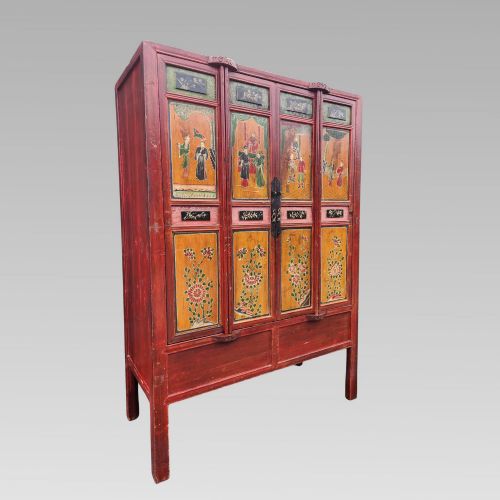
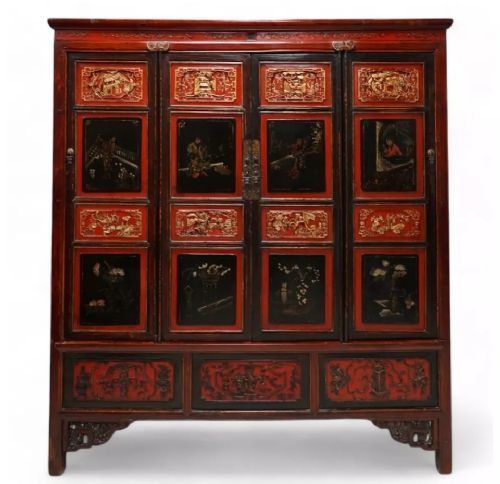
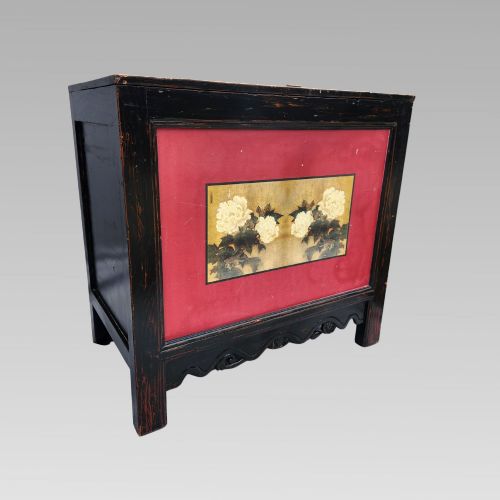
An asian lacquer storage cabinet serves practical domestic needs while introducing decorative presence through painted and finished surfaces. Buyers examining this selection will encounter tall wedding cabinets, side cupboards, and low chests designed for storing garments, household goods, or provisions.
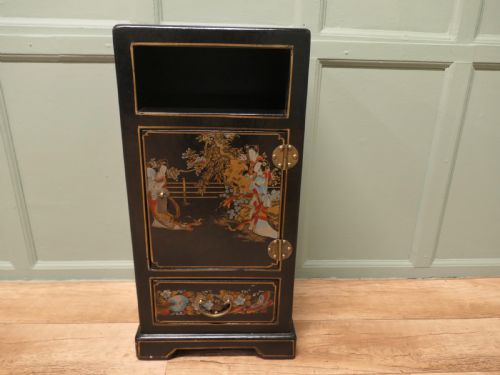
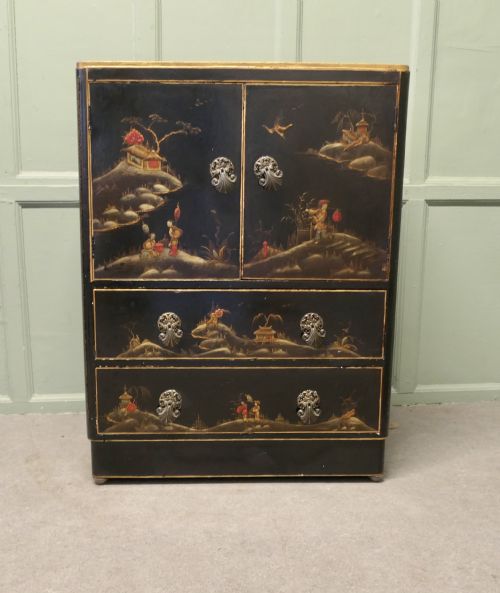
The pieces appearing on this page span several decades and stylistic traditions, with nineteenth-century examples and early twentieth-century interpretations most commonly met. These range from substantial red lacquer marriage pieces to black Chinoiserie cupboards decorated with floral motifs.
Geographic origins and stylistic influences are diverse, drawing upon traditional Chinese provincial work, Qing Dynasty forms, Japanese Meiji period chests, and Korean Joseon style pieces. This variety gives buyers distinct silhouettes and surface treatments to consider for their interiors.
Materials and construction methods
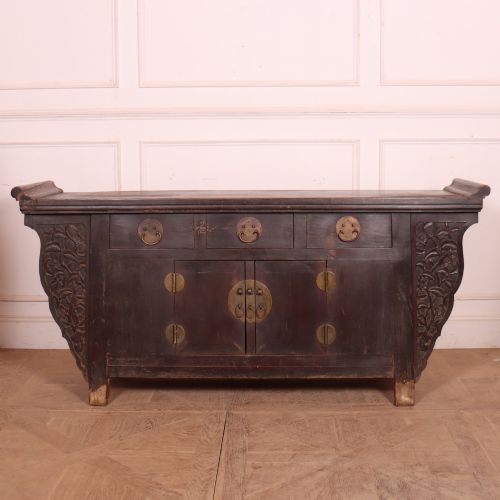
Makers built these cabinets primarily using sturdy timbers such as elm and general lacquered wood as the foundational substrate. This solid construction provided the structural stability necessary to support multiple layers of resin and applied ornament.
Surfaces received successive applications of lacquer, often finished in striking black or red pigments and enriched with gold leaf or gilt details. Hardware such as brass and iron hinges, plates, and pulls served both a functional bracing role and a decorative purpose.
Asian Lacquer Storage Cabinet Retail Price Guide 2026
Typical asking prices for asian lacquer storage cabinet among the pieces listed under this phrase on Sellingantiques today, from the lower quarter to the upper quarter. They describe what is for sale here now, not the wider market.
Listings here span the nineteenth century through the nineteen-thirties, featuring elm and lacquered wood enhanced with brass, iron, and gold leaf.
Assessing quality in lacquer storage
The standard of an asian lacquer storage cabinet rests largely upon the depth and resilience of the surface finish and the integrity of the underlying timber. Superior examples display smooth, even applications of lacquer that have aged gracefully without extensive flaking, while lesser items may show crude touch-ups or unstable wooden frames.
Artistic execution in the painted or gilt decoration also marks the difference between standard production and finer craftsmanship. Finely rendered motifs of birds, flowers, and traditional scenes demonstrate greater skill from the decorator than repetitive, hurried brushwork.
The Asian Lacquer Storage Cabinet Glossary
- Chinoiserie
- European theatrical interpretation of Chinese and East Asian artistic traditions, popular in furniture decoration. This style often employs motifs of figures, landscapes, and flora rendered in gold and colour upon dark lacquer grounds.
- Lacquer
- A durable protective and decorative finish made from tree resin applied in numerous thin coats. It cures to a hard, smooth surface that resists moisture and wears well over decades of use.
- Marriage cabinet
- A large traditional Chinese storage piece often given as a wedding gift to hold clothing and valuables. These items typically feature substantial two-door fronts and prominent brass or iron hardware.
- Tansu
- A traditional mobile Japanese storage chest constructed from wood with metal mounts. These pieces were built in sections or simple box forms to store household possessions.
- Elm
- A strong, resilient timber commonly utilised for Chinese cabinet frames and panels. Its open grain accepts finishes well and provides dependable structural support.
Asian Lacquer Storage Cabinet: Frequently Asked Questions
What were these cabinets used for?
These cabinets served primarily to store garments, linens, and domestic valuables within the household. Larger pieces like wedding cabinets held textiles and formal robes gifted for matrimonial unions.
Smaller sideboards and cupboards accommodated smaller household goods, keeping living quarters tidy and protected from dust.
How do I place one in a modern room?
An asian lacquer storage cabinet works effectively as a focal point in a living room, hallway, or bedroom. Its strong colour and finished surface contrast well against neutral walls and contemporary furnishings.
Ensure the piece has adequate clearance for doors to open fully, and avoid placing it in direct, harsh sunlight that could degrade the lacquer finish over time.
How do I distinguish Chinese from Japanese pieces?
Chinese pieces often feature prominent architectural framing, large brass coin plates, and vibrant red or black lacquer with pictorial scenes. They frequently take the form of tall compound cabinets or wedding chests.
Japanese tansu chests typically emphasise functional portability with iron bracing and drawer configurations designed for specific household storage tasks.
What is Chinoiserie furniture?
Chinoiserie furniture comprises European-made or inspired pieces decorated with motifs derived from Asian art. Craftsmen utilised lacquer, gilt, and paint to depict idealized landscapes, pavilions, and birds.
This aesthetic flourished during various periods, producing cabinets and commodes that brought exotic decorative themes into Western homes.