





Oriental Two Door Cabinet
An oriental two door cabinet brings rich lacquer and distinct timber into a room, offering striking storage grounded in centuries of tradition.
Oriental Two Door Cabinet
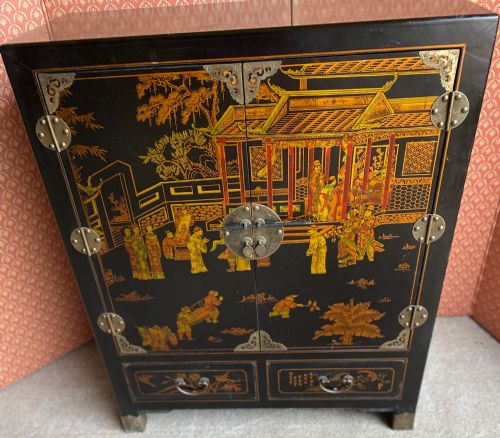
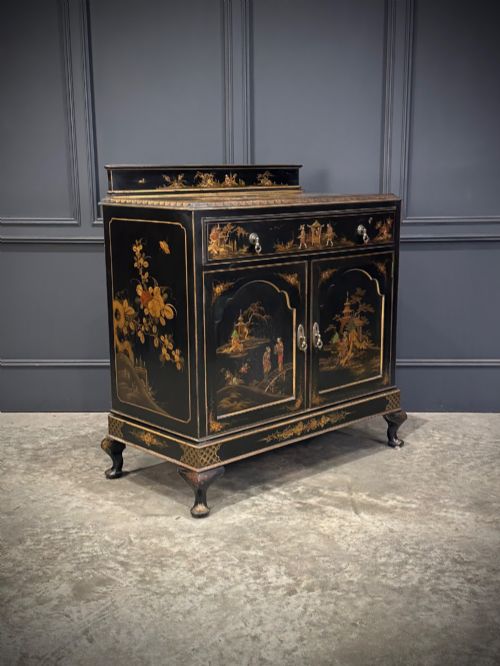
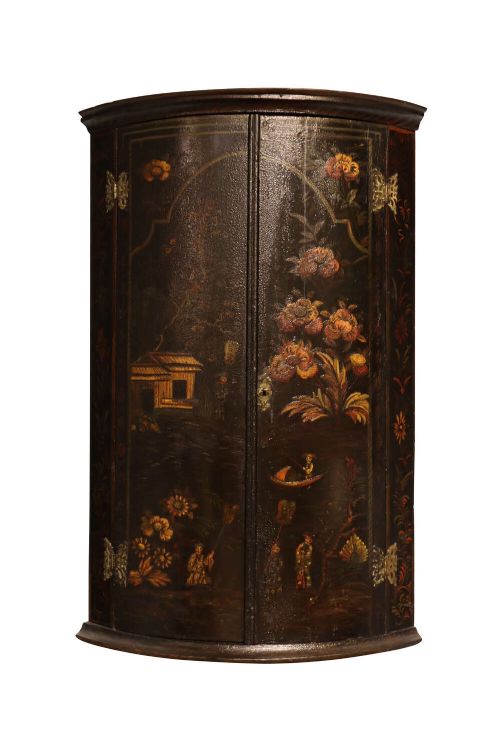
An oriental two door cabinet spans several centuries of craftsmanship, taking forms such as corner cabinets, display cabinets, side cabinets, and wedding cabinets. These storage pieces appear across distinct stylistic traditions including Chinoiserie, Qing Dynasty, Chinese Provincial, and Korean Joseon Style.
The most common examples on this page are black and red lacquered cabinets from the nineteenth century and the nineteen twenties. Buyers also encounter Chinese elm side tables and cupboards alongside corner configurations.
Each piece serves as a functional storage cupboard while displaying the decorative arts of its period and origin. The range covers smaller side pieces up to monumental red lacquer cupboards.
How they were made
Wood serves as the primary structural material, utilising Chinese elm and other timbers built into sturdy frames for cupboards and chests. Artisans applied layers of lacquer in black or red finishes to the wooden surfaces.
Decoration often involves gilt and gold leaf applications, creating detailed Chinoiserie scenes and painted motifs across the doors and panels. Brass hardware provides functional hinges and locking mechanisms.
Glass is integrated into specific display variations to enclose the cabinet interiors. Traditional joinery methods construct the framework for side tables and tall armoires alike.
Oriental Two Door Cabinet Retail Price Guide 2026
Typical asking prices for oriental two door cabinet among the pieces listed under this phrase on Sellingantiques today, from the lower quarter to the upper quarter. They describe what is for sale here now, not the wider market.
Listings span the eighteenth century, nineteenth century, nineteen hundred, and nineteen twenty, constructed from elm, lacquered wood, and brass.
What varies in quality
The sophistication of the lacquer work and the preservation of the gold leaf details distinguish finer examples from standard production. Richness in the red or black lacquer depth elevates the visual presence of a cabinet.
Structural integrity and the retention of original painted surfaces determine the standing of each piece. Superior craftsmanship shows in the balanced proportions of the doors, framework, and brass fittings.
The Oriental Two Door Cabinet Glossary
- Chinoiserie
- European interpretation and imitation of Chinese and East Asian artistic traditions, frequently featuring figures, landscapes, and pavilions. This style appears extensively on eighteenth and twentieth century black lacquer cabinets.
- Lacquer
- Protective and decorative coating applied in multiple layers to wooden furniture. It creates a smooth, glossy surface often finished with gilt painted scenes.
- Joseon Style
- Korean aesthetic tradition characterised by restrained forms and painted finishes, represented here through regional chests. It reflects the distinct craftsmanship of the Korean peninsula.
- Elm
- Tough hardwood utilised in Chinese furniture making, prized for its visible grain pattern and structural durability. It forms the basis of traditional side tables and small dressers.
- Gilt
- Application of gold leaf or powdered gold to the surface of wood or lacquer decoration. It highlights raised motifs and figural designs on cabinet doors.
Oriental Two Door Cabinet: Frequently Asked Questions
Where should I place an oriental cabinet?
These cabinets work well as focal points in living rooms, dining spaces, or hallways where their painted surfaces and rich colours can be appreciated.
Corner cabinets suit awkward room angles, while larger wedding cupboards provide substantial presence against a main wall.
How do I care for lacquered wood?
Keep lacquered furniture out of direct sunlight and away from direct heat sources to prevent the wood and finish from drying out.
Dust gently with a soft, dry cloth and avoid harsh chemical cleaners that can damage the delicate gilt and lacquer layers.
What is the difference between Chinoiserie and Chinese traditional pieces?
Chinese traditional and provincial pieces originate from workshops within China, reflecting native stylistic developments through dynasties like the Qing.
Chinoiserie describes European decorative styles inspired by East Asian art, often manifested in black japanned cabinets made in the West.
How do I date an oriental cabinet?
Dating relies on examining the construction methods, the type of timber used such as elm, and the wear patterns on the lacquer and brass hardware.
Stylistic markers from eighteenth century corner pieces differ noticeably from nineteenth century red wedding cupboards and nineteen twenties interpretations.