
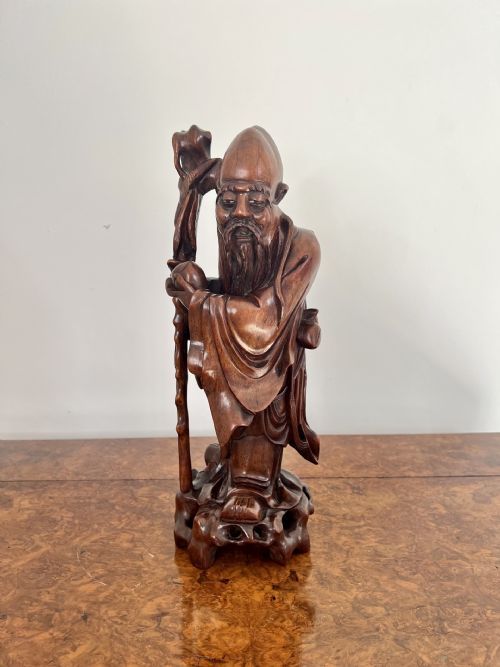


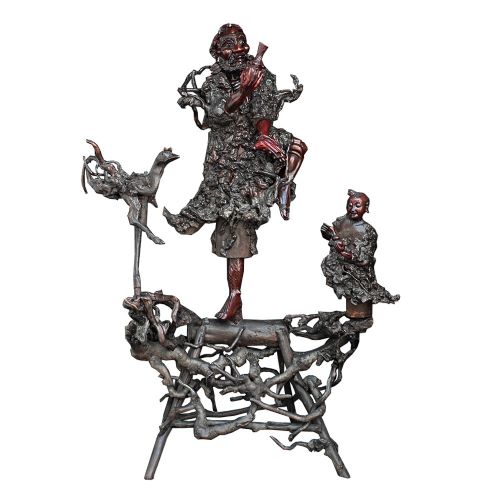

Chinese Immortal Wood Carving
A Chinese immortal wood carving brings centuries of folklore into the room, depicting revered figures with natural grain and character.
Chinese Immortal Wood Carving
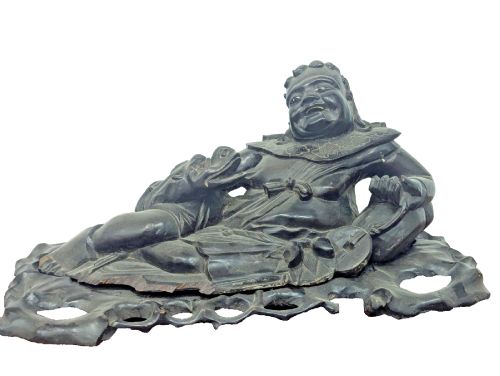
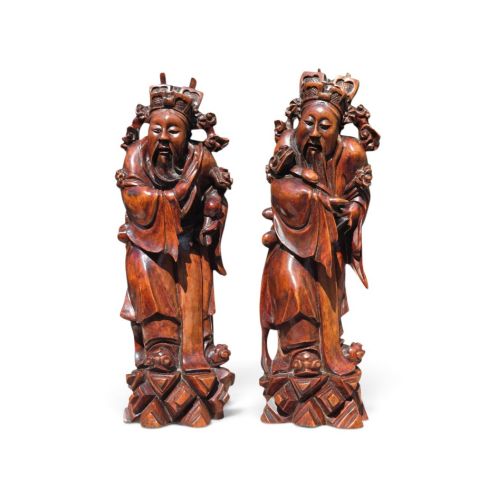
A Chinese immortal wood carving depicts figures from Daoist and Buddhist traditions, including scholars, deities, and laughing Buddhas. These sculptures frequently date from the eighteenth and nineteenth centuries during the Qing dynasty, capturing traditional dress and attributes.
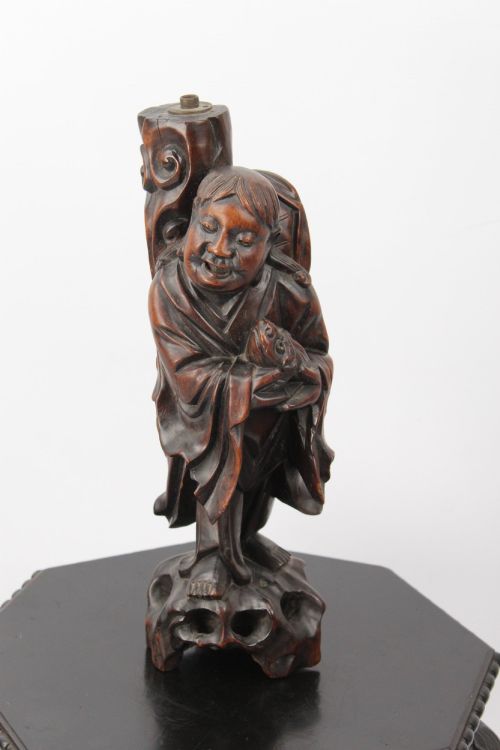
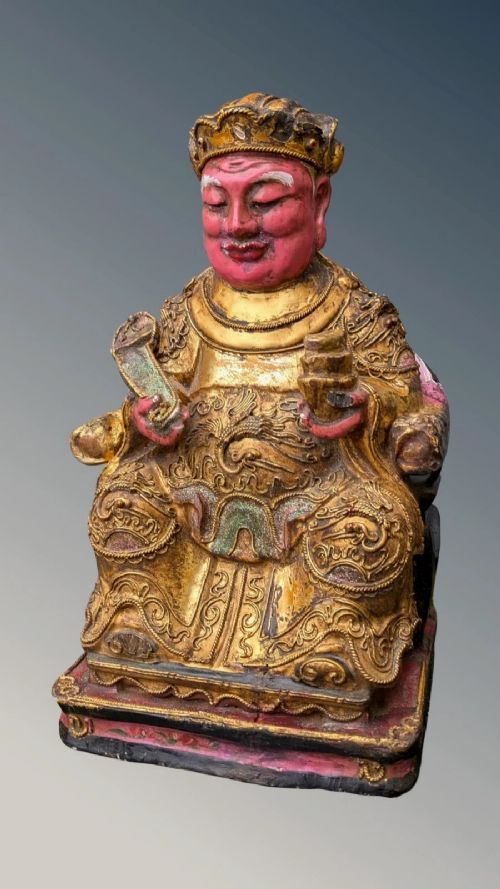
The pieces on this page appear predominantly as single figures, matched pairs, or groups, alongside practical adaptations such as table lamps created from root wood. Formats range from monumental pairs to miniature giltwood groups, reflecting diverse domestic and temple uses.
Materials and construction
Root wood pieces make direct use of organic burls and roots to form dynamic shapes, while hardwood sculptures rely on subtractive carving from solid blocks. Selected items combine the timber body with brass components for functional elements like gongs and lamp mountings.
Several root wood carvings cleverly disguise the natural knots and twists of timber to form the flowing robes of seated scholars.
Evaluating craftsmanship
Quality rests upon the depth of the carving and the articulation of hands, facial expressions, and robes. Superior examples display high definition in the hair and attributes without relying on surface paint to define the anatomy.
The choice of medium and the handling of the timber grain contribute significantly to the visual weight of the sculpture. Pieces with a rich, undisturbed patina demonstrate longevity and careful handling over generations.
The Chinese Immortal Wood Carving Glossary
- Budai
- A rotund folk deity often depicted laughing and associated with happiness and abundance in Chinese sculpture.
- Daoist Immortal
- A legendary figure who has achieved spiritual transcendence, frequently shown with specific attributes like a staff or peach.
- Root wood
- Timber taken from the root systems of trees, prized in Chinese carving for its twisted, organic forms.
- Patina
- The surface sheen and colour developed by aged wood through handling, wax, and exposure to the air.
- Giltwood
- Timber treated with a thin layer of gold leaf or gold paint across its carved surfaces.
Chinese Immortal Wood Carving: Frequently Asked Questions
What is a Chinese immortal wood carving?
These sculptures represent legendary figures from Asian folklore, carved from various timbers during periods including the Qing dynasty and the nineteenth century.
They function primarily as display sculptures, figures of deities, or converted lighting objects designed for interior spaces.
How do I date a root wood carving?
Dating relies on stylistic indicators of the Qing period, the depth of the wood patina, and documented construction methods.
Examinations of tool marks and the natural ageing of the timber grain provide further clues to the century of origin.
Where were these figures placed?
In historical settings, such sculptures occupied domestic altars, scholar's desks, or main living areas to invite auspicious fortune.
Today, collectors place them on sideboards, mantelpieces, or convert them into functional table lamps.
How should I care for antique wood?
Maintain stable indoor humidity levels and keep the sculptures away from direct heat sources to prevent the timber from splitting.
Dust the intricate carved crevices gently with a soft dry brush rather than using liquid cleaning products.