




Chinese Hardwood Console Table
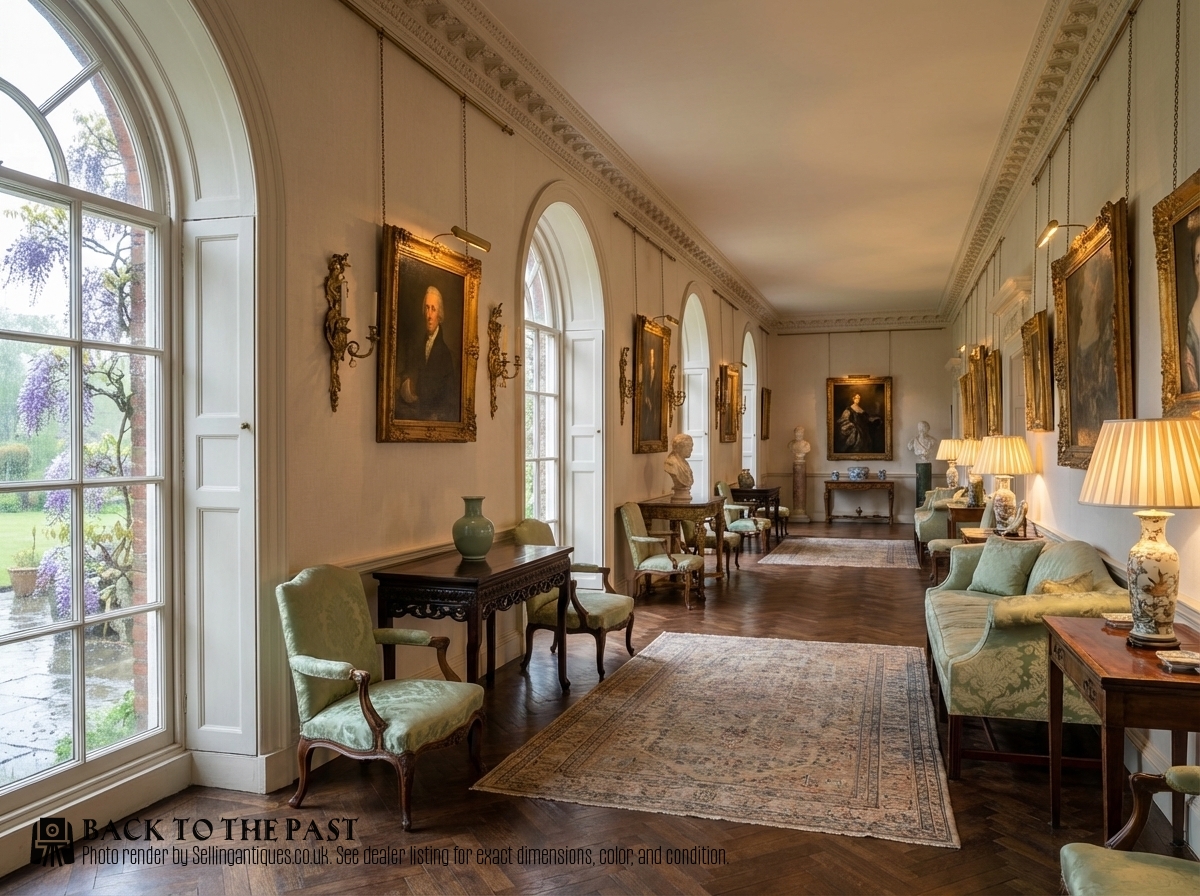
A chinese hardwood console table brings the sculptural lines of Qing Dynasty joinery directly into a hallway or living space.
Chinese Hardwood Console Table
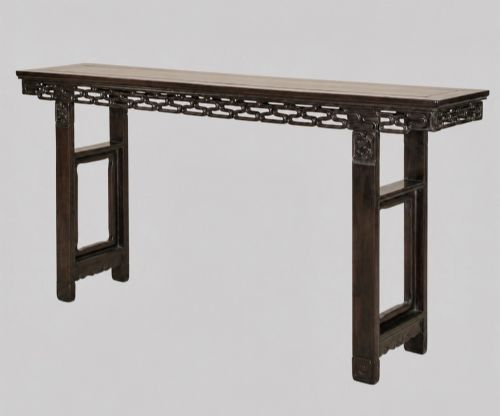
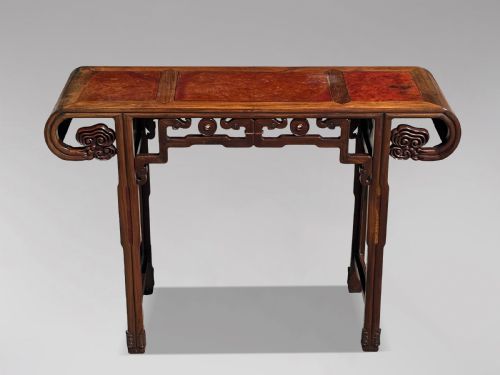
When you search for a chinese hardwood console table, you are looking at heavy timber surfaces designed for display, ritual, or architectural placement against a wall. The examples on this page span the eighteenth and nineteenth centuries, taking the form of long altar tables, demi-lune hall tables, and rectangular centre tables.
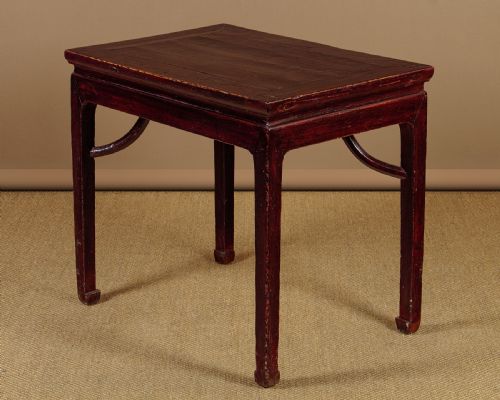
Most pieces date from the nineteenth century, including late Qing Dynasty productions with carved details, scroll ends, and inset marble panels. You will also encounter simpler elm side tables and export pieces made for Western interiors alongside traditional forms.
These tables serve practical functions in modern homes as narrow surface areas for lamps, mirrors, or daily objects, while retaining the presence of museum-grade Asian furniture. Their structural variety ranges from corner-leg framing to trestle supports and heavy hongmu constructions.
How they were made
Joinery relies on traditional mortise and tenon techniques that allow dense timbers to expand and contract without splitting the frame. Artisans utilised heavy hardwoods, elm, and hongmu, often pairing the dark timber with contrasting amboyna wood or smooth marble inset panels.
Carving is deep and deliberate, frequently depicting dragons, scrolling foliage, or geometric borders along the aprons and legs. Surface finishes range from clear rubbed wax highlighting the grain to black lacquer and mother-of-pearl inlay.
Construction prioritises structural rigidity without metal nails or screws, depending entirely on precision woodcraft. The addition of marble inserts provides a cool, durable surface impervious to heat and moisture.
Some tables double as secret conversation pieces when guests discover mother-of-pearl dragons hiding in the dark timber grain.
What varies in quality
The distinction between standard utility furniture and exceptional pieces rests on the density of the timber and the depth of the carving. Heavier hardwoods like hongmu and amboyna command greater respect than softer elm variants due to their durability and fine grain.
Carving execution defines the upper tier of the range, where motifs exhibit sharp undercut details rather than shallow, mechanical tooling. The integration of inset marble panels, particularly smooth rouge or grey varieties fitted flush to the frame, marks superior craftsmanship.
Proportion and structural integrity also separate fine examples from ordinary ones, with well-balanced scroll ends and unaltered legs maintaining the original architectural intent of the maker.
The Chinese Hardwood Console Table Glossary
- Hongmu
- A dense, heavy tropical hardwood prized by Chinese cabinetmakers for its rich colour and ability to take fine carved detail. It is frequently translated simply as red wood.
- Altar table
- A traditional Chinese table form featuring upturned flanges at the short ends, originally designed for ritual offerings in domestic halls or temples. These surfaces now function well as narrow console tables.
- Demi-lune
- A half-moon shape used for console tables designed to sit flush against a wall in hallways or reception rooms. This profile saves floor space while offering a broad surface.
- Amboyna wood
- A highly decorative burr timber with a mottled grain pattern, utilised as a contrasting veneer on nineteenth-century luxury furniture. It adds textural variation to dark hardwood frames.
- Trestle table
- A form supported by upright posts connected to a horizontal foot or base, offering stability without corner legs. This construction allows maximum legroom beneath the top.
Chinese Hardwood Console Table: Frequently Asked Questions
What is the difference between an altar table and a console table?
Altar tables traditionally feature upturned flanges at the short ends and deep recessed legs, originating from ritual furniture used in temples and domestic halls. Console tables generally have flat tops and straight or demi-lune frames designed specifically to stand against a wall.
In modern usage, both function identically as narrow display surfaces in hallways or living areas, and the terms frequently overlap in historical listings.
How do I care for a hardwood table?
Maintain the timber by keeping it away from direct heat sources and rapid humidity changes that can cause dense hardwoods to check or split. Apply a microcrystalline wax occasionally to nourish the surface without building up sticky residues.
Dust regularly with a soft, dry cloth and avoid using liquid polishes or silicone sprays that can degrade traditional finishes.
Are these tables sturdy enough for daily use?
Nineteenth-century hardwood tables are constructed using intricate joinery designed to bear heavy loads without metal fixings. They provide robust support for lamps, books, and decorative objects in busy entryways.
Marble-inset versions offer a durable, heat-resistant top that handles everyday placement of keys and objects safely.
How can I tell the period of a Chinese hardwood table?
Dating relies on examining the timber selection, tool marks, joinery wear, and stylistic indicators such as Qing Dynasty carving motifs. Eighteenth-century examples often display simpler, cleaner lines and lighter wear patterns compared to late nineteenth-century carved pieces.
Compare the patination of the wood and the construction methods underneath to confirm period authenticity.