



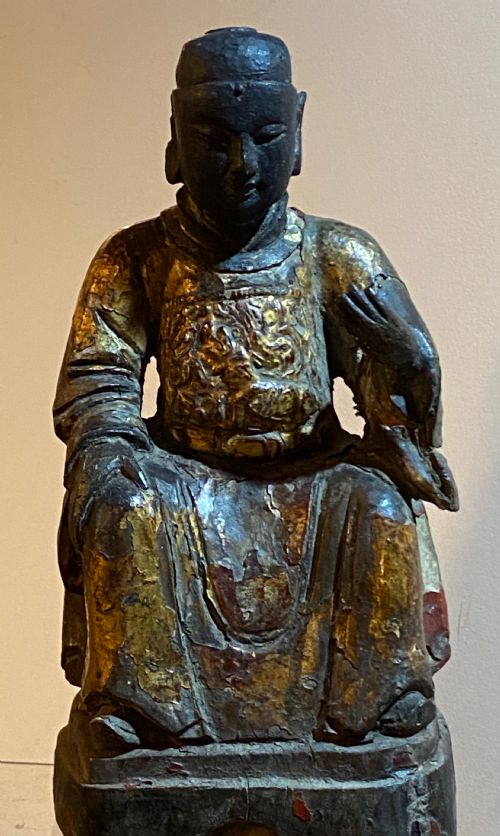


Chinese Gilt Figure
These pieces of Chinese gilt figure range from solid-cast scholar’s desk items to monumental temple guardians, bringing centuries of skilled metalwork and carving into a room.
Chinese Gilt Figure
A Chinese gilt figure encompasses carved wooden temple sculptures, solid-cast bronze scholar’s desk pieces, and decorative metalwork finished with gold leaf or fire-gilding. These works span from the Ming dynasty and Kangxi period through the nineteenth century and into the Edwardian era.
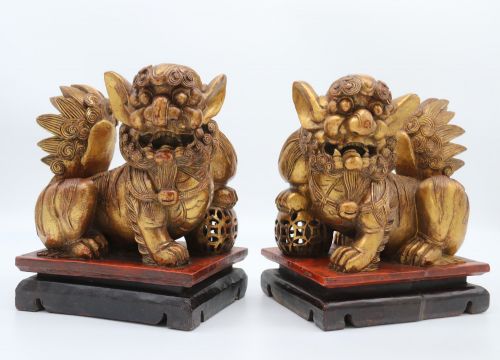
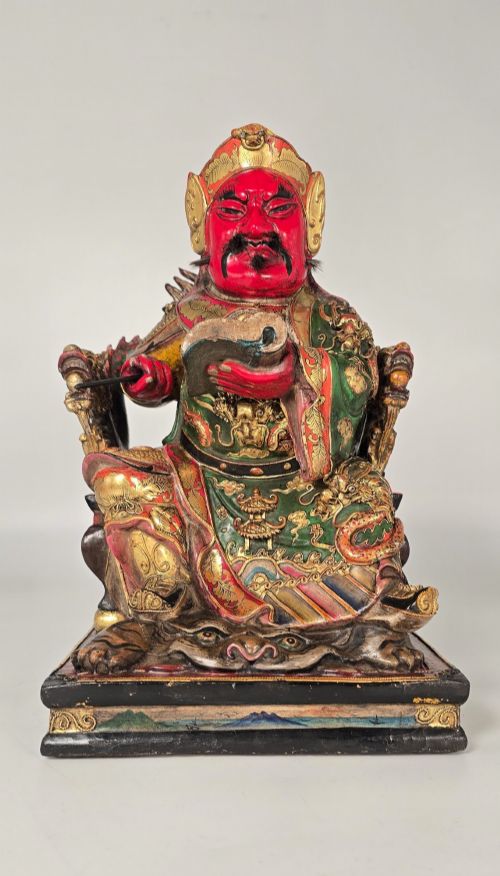
The objects appearing most frequently on this page vary from small gilt-bronze scholar’s paperweights and inkwells to larger wooden temple guardians and Buddhist lions. Many pieces reflect Sino-Tibetan traditions or Qing dynasty aesthetics, alongside later European interpretations such as Chinoiserie revival works.
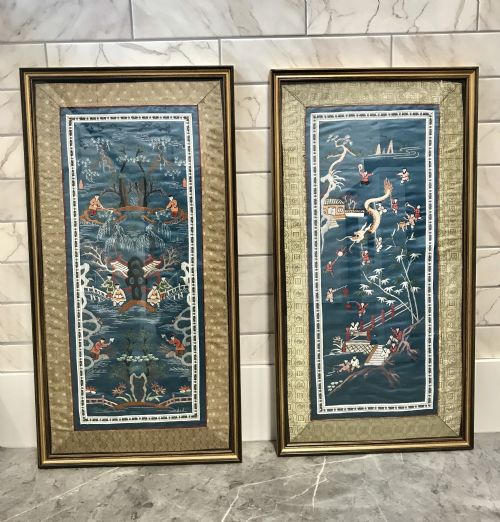
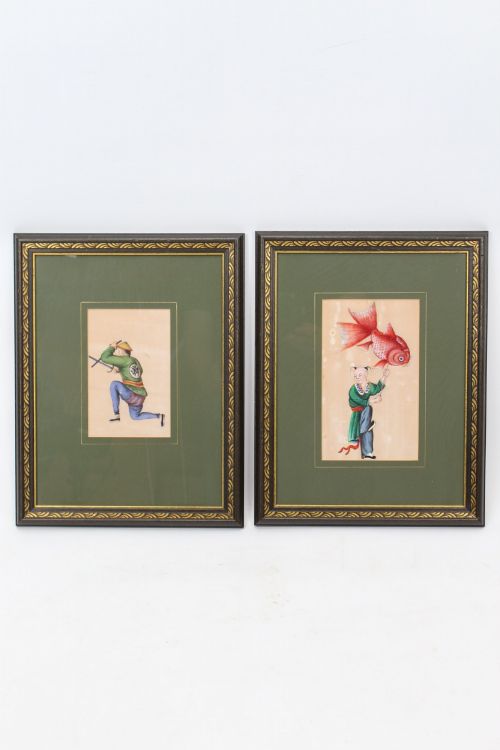
Beyond standalone sculptures, the selection includes framed watercolours, silk embroidery panels under glass, and carved wooden architectural plaques incorporating gilt details. Buyers encounter diverse forms created for both domestic scholar desks and larger religious or decorative settings.
How they were made
Artisans employed traditional casting techniques for bronze pieces, utilising solid-cast methods before applying selective fire-gilding to highlight specific details. Wood figures were typically carved from timber before receiving layers of lacquer, polychrome pigments, and gold leaf.
Chinese Gilt Figure Retail Price Guide 2026
Typical asking prices for chinese gilt figure among the pieces listed under this phrase on Sellingantiques today, from the lower quarter to the upper quarter. They describe what is for sale here now, not the wider market.
The selection includes utilitarian objects like inkwells and paperweights alongside temple guardians, silk panels, and carved architectural plaques.
What varies in quality
The distinction between standard works and exceptional examples lies in the crispness of the original carving or casting and the retention of the original surface gilding and polychrome pigments. Finer pieces demonstrate superior control over metal chasing or wood sculpting, preserving intricate anatomical and ornamental details.
Provenance and period integrity heavily influence the standing of an object, with early pieces from the Ming or Kangxi periods exhibiting distinct material density and stylistic depth compared to later nineteenth-century or decorative revival interpretations.
Edmé Samson
The Chinese Gilt Figure Glossary
- Fire-gilding
- A technique where an amalgam of gold and mercury is applied to a bronze base and heated to bond the gold. This historical method produces a rich, durable surface finish.
- Qing Dynasty
- The final imperial dynasty of China, lasting from sixteen forty-four to nineteen twelve. Pieces from this era often show refined decorative arts and diverse regional styles.
- Chinoiserie
- A European artistic style reflecting Chinese motifs and techniques, popular during various revival periods. It reinterprets Asian aesthetics through Western decorative traditions.
- Sino-Tibetan
- Art reflecting an artistic exchange between Chinese imperial workshops and Tibetan Buddhist traditions. These works frequently depict deities and temple guardians.
- Kangxi Period
- The reign of the Kangxi Emperor from sixteen sixty-one to seventeen twenty-two. Ceramics and metalwork from this time are noted for technical excellence.
Chinese Gilt Figure: Frequently Asked Questions
What is a Chinese gilt figure?
A Chinese gilt figure is a sculpture, desk object, or decorative piece made from materials like bronze, wood, or metal, finished with gold leaf, fire-gilding, or gilt paint.
These objects include Buddhist lions, temple guardians, scholar figures, and inkwells originating from periods spanning the Ming dynasty to the early twentieth century.
How do I care for a gilt wooden figure?
Wooden figures with gilt and lacquer surfaces require stable indoor humidity and protection from direct sunlight to prevent timber movement and flaking.
Dusting should be done gently with a soft, dry brush, avoiding liquid cleaners or harsh chemicals that could damage the delicate gold leaf layers.
How do I identify a Ming dynasty piece?
Ming dynasty metalwork often displays heavier casting, denser materials, and distinct stylistic conventions associated with sixteenth-century scholar objects.
Expertise in patina, tool marks, and specific iconography helps separate these earlier items from later nineteenth-century or revival works.
Where were these figures displayed?
Smaller gilt bronze figures and paperweights were typically placed on scholar desks or within private scholar studies for contemplation and writing use.
Larger wooden temple figures and guardians originally stood in religious halls or ancestral shrines before entering private collections.