







Chinese Flower Vase
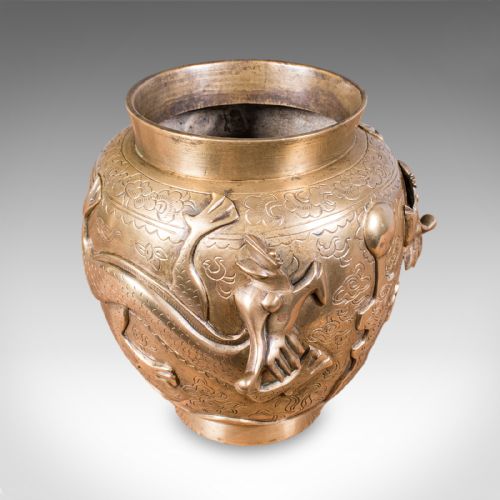
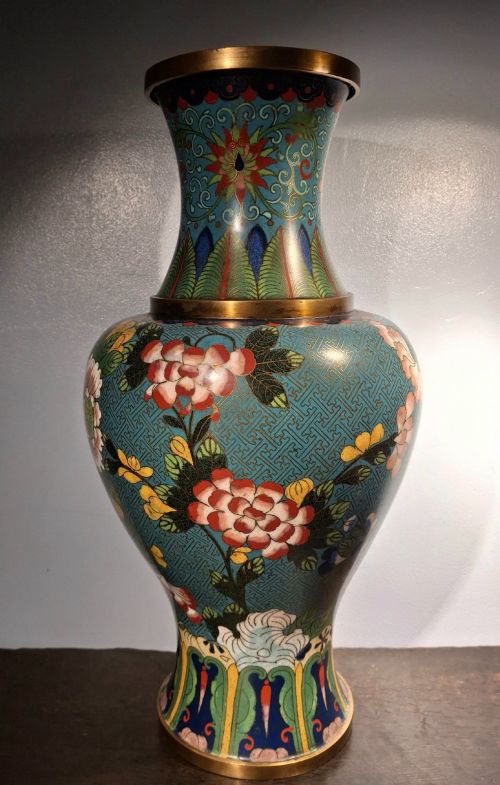
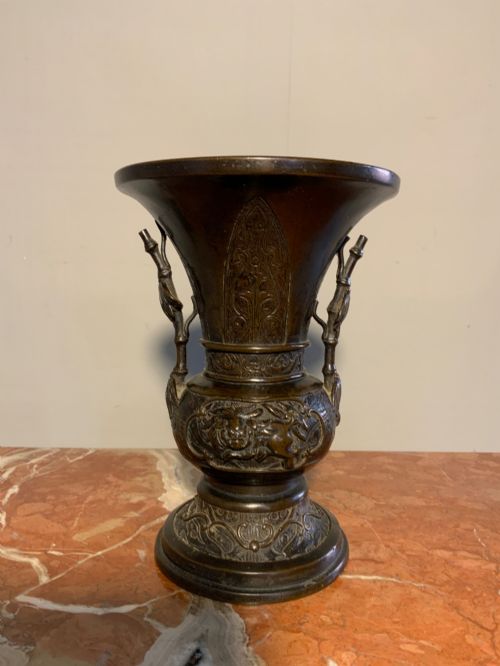
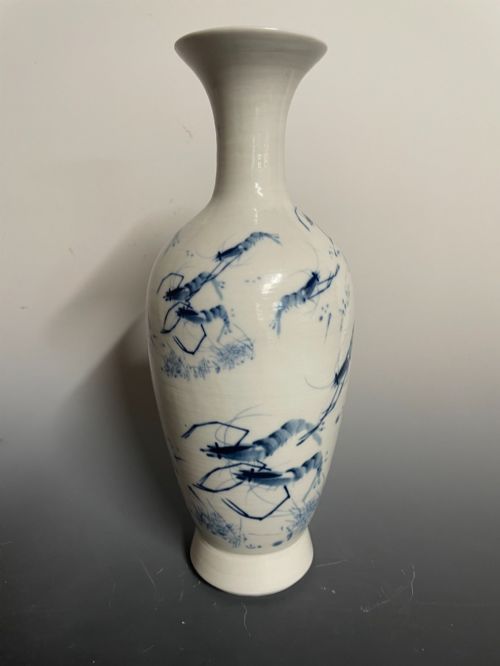
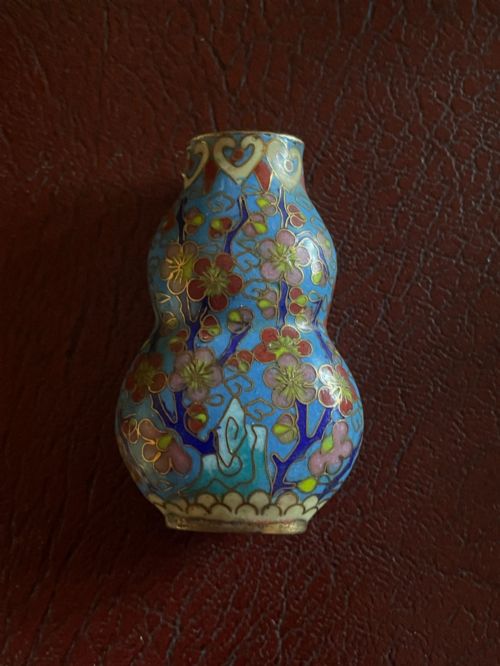
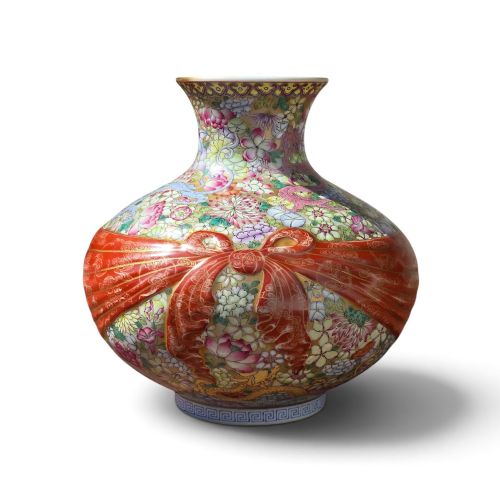
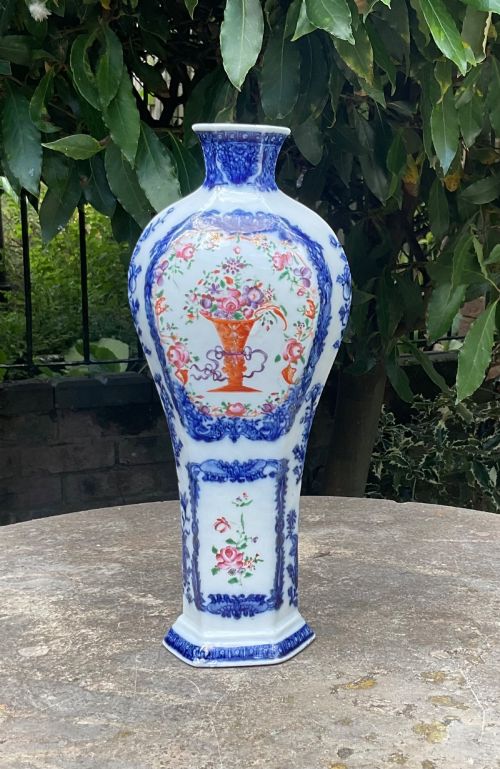
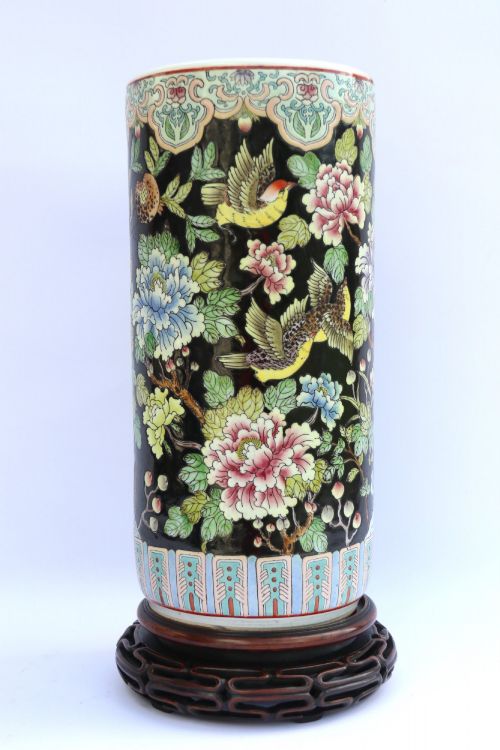
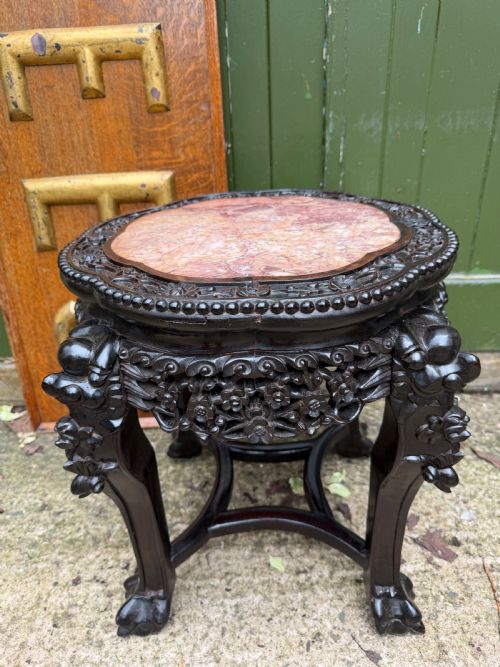
These pieces of chinese flower vase encompass porcelain, bronze and cloisonne vessels alongside carved hardwood stands.
Chinese Flower Vase
A chinese flower vase covers ceramic vessels, bronze urns and cloisonne miniatures intended for floral display or interior decoration. Buyers searching this phrase meet nineteenth century porcelain, bronze vessels and carved wooden stands designed to support them.
The selection ranges from large famille rose and canton porcelain pieces to bronze hu vases and small cabinet items. Alongside ceramic and metal vessels, the listings include hardwood plant stands and jardiniere tables that form part of the same decorative group.
Materials and construction
Porcelain and bronze serve as the primary media, shaped into baluster, rouleau and trumpet forms. Artisans applied famille rose enamels, iron-red pigments and gold leaf to ceramic surfaces, while metalworkers utilised cloisonne wirework and bronze casting.
Carved hongmu and other hardwoods provide structural support for the vessels through low jardiniere stands and plant tables featuring inset marble tops.
Chinese Flower Vase Retail Price Guide 2026
Typical asking prices for chinese flower vase among the pieces listed under this phrase on Sellingantiques today, from the lower quarter to the upper quarter. They describe what is for sale here now, not the wider market.
Listings combine porcelain, bronze, enamel, marble and hardwood across the nineteenth and early twentieth centuries.
Distinctions in quality
Quality rests upon the precision of the hand-painted enamels, the crispness of the bronze casting and the depth of the wood carving. Vessels bearing defined imperial marks and controlled ribbon or floral motifs demonstrate superior workshop execution.
The integration between a porcelain vase and its original hardwood stand adds structural and aesthetic completeness to the ensemble.
The Chinese Flower Vase Glossary
- Famille Rose
- A palette of opaque rose-pink enamel introduced to Chinese ceramics during the Qing dynasty. This colouring allows for delicate shading on floral and bird motifs.
- Cloisonne
- A metalwork technique where flat wires form raised barriers on a bronze or brass body to contain coloured enamel pastes. The entire surface is then fired and polished smooth.
- Hongmu
- A dense, dark tropical hardwood utilised by Chinese cabinetmakers for stands and tables. This timber takes a fine carved relief and often holds an inset marble panel.
- Jardiniere
- A large ornamental pot or stand designed to hold growing plants or flower arrangements. These pieces frequently appear in carved wood alongside ceramic vessels.
- Baluster
- A vase form characterised by a swelling lower body, a narrow neck and a flared rim. This silhouette appears frequently in nineteenth century porcelain production.
Chinese Flower Vase: Frequently Asked Questions
What is a chinese flower vase used for?
These vessels served as display containers for cut flowers, botanical arrangements or blossoming branches within traditional interiors. Many were also manufactured purely as decorative objects for scholar desks and reception rooms.
Larger porcelain jars and bronze urns functioned as substantial focal points on tables or floor stands, while smaller cloisonne pieces sat within cabinets.
How do I identify the period of a vase?
Dating relies upon stylistic markers such as enamel palettes, form proportions and reign marks applied to the base. Nineteenth century pieces often display vibrant canton painting or intricate bronze patination.
Comparing the potting technique and the wear on the base helps separate late Qing production from later copies.
Are wooden stands original to the vases?
Some hardwood stands were carved specifically to match the profile of a particular porcelain or bronze vessel. Others are matched items from the same period that fit the base dimensions.
An original hardwood stand matches the timber grain and wear patterns of the associated vessel.
How should I care for antique porcelain and bronze?
Porcelain and cloisonne surfaces require gentle dusting with a dry, soft cloth to protect the enamel glazes. Bronze vessels benefit from occasional light cleaning without abrasive polishes that remove the historic patina.
Wood stands should be kept away from direct heat sources to prevent timber shrinkage and cracking.