

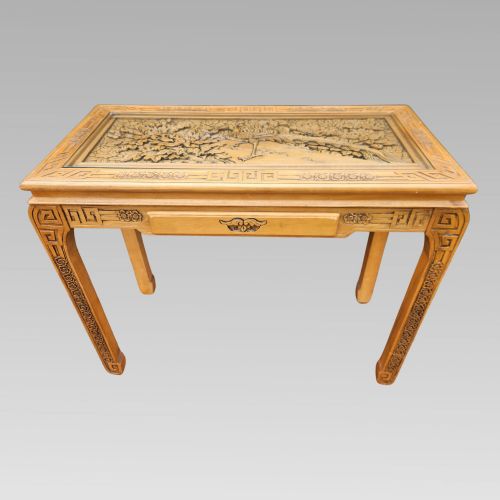


Chinese Export Relief Carving
Chinese export relief carving brings dense, tactile narrative work into domestic spaces through items made for Western markets.
Chinese Export Relief Carving
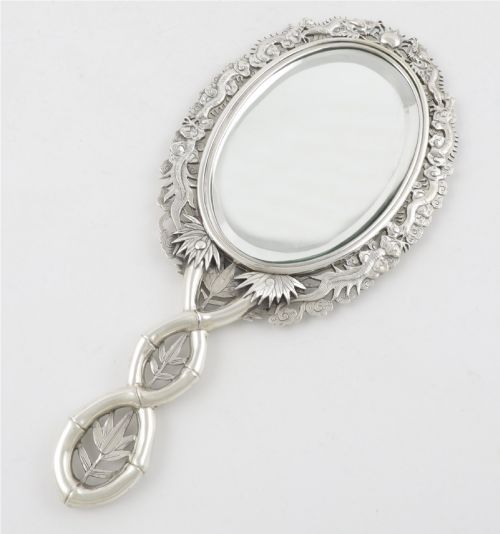
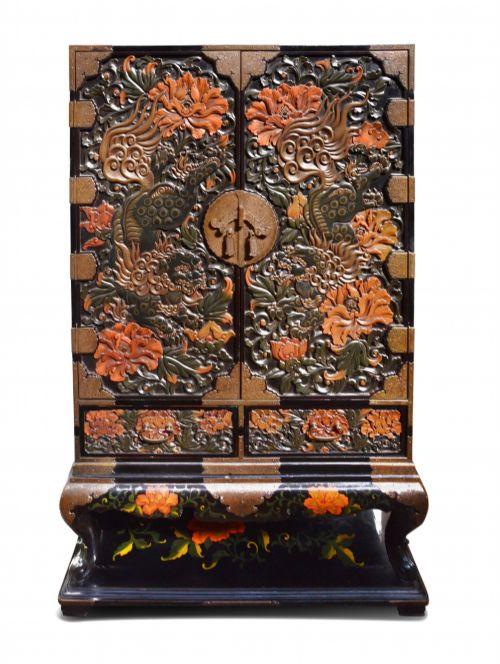
Chinese export relief carving encompasses a distinct category of decorative and functional objects produced for international buyers across the nineteenth and twentieth centuries. These pieces translate traditional motifs into forms suited to Western interiors, ranging from nests of tables and card cases to tea caddies and cabinets on stands.
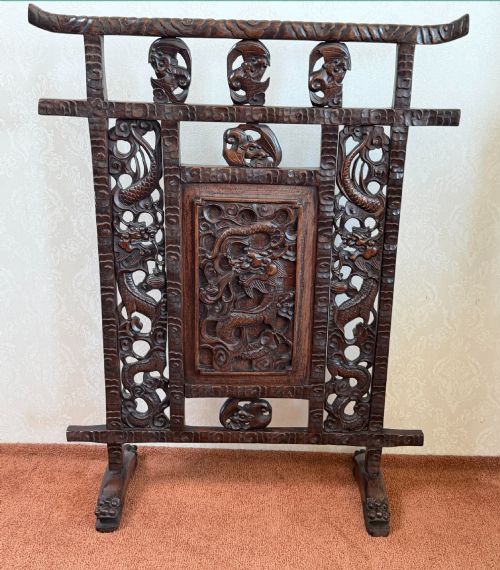
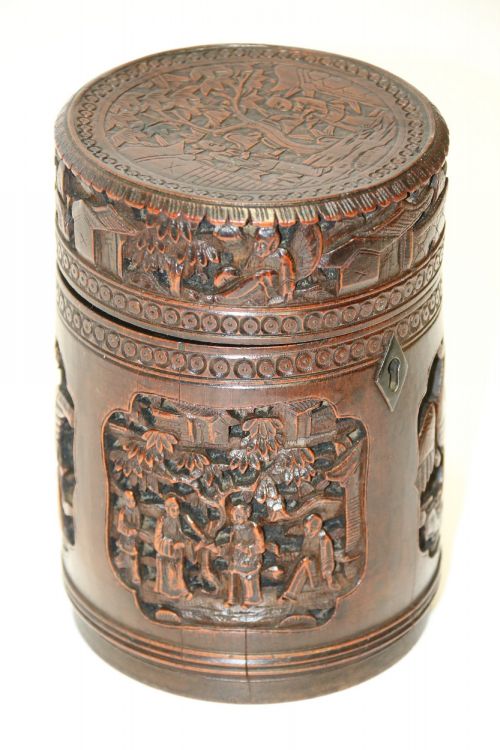
The objects frequently display deep, dimensional work depicting figures in gardens, dragons, and intricate foliage. On this page, buyers most often encounter tables, boxes, and small storage furniture originating from the nineteenth century and the early decades of the twentieth century.
Makers utilised specific regional styles associated with production centres such as Canton alongside broader Asian export traditions. The resulting works combine utility with elaborate surface decoration that marks them out from plain domestic furnishings of the same periods.
Materials and construction
Workshops relied on a selection of dense timbers well suited to intricate chisel work, including hardwood, teak, camphorwood, sandalwood, and elm. These woods permitted the high degree of undercut and layered detailing seen in the surface panels and borders.
Surface treatments vary according to the object type, incorporating clear finishes that highlight the natural grain alongside dark lacquer applications. Metal elements such as brass appear on chests and boxes to reinforce corners and provide functional hardware.
Chinese Export Relief Carving Retail Price Guide 2026
Typical asking prices for chinese export relief carving among the pieces listed under this phrase on Sellingantiques today, from the lower quarter to the upper quarter. They describe what is for sale here now, not the wider market.
Card cases carved from fragrant sandalwood ensured that an afternoon social call left a lingering scent long after the visitor departed.
Assessing quality and depth of work
The distinction between standard commercial output and superior craftsmanship rests on the depth and clarity of the chisel work. Finer pieces demonstrate crisp undercutting where figures and foliage detach visibly from the background plane, rather than remaining flat or shallow.
Condition of the timber and the retention of a natural surface patina play significant roles in the standing of an item. Pieces that retain sharp detail without heavy wear to the highest points of the carving command greater attention from collectors.
The Chinese Export Relief Carving Glossary
- Chinese export
- Goods manufactured in China specifically for Western markets and trade between the seventeenth and twentieth centuries. These items blend traditional Eastern techniques with forms and functions desired by European and American buyers.
- Relief carving
- Sculpture technique where elements remain attached to a solid background of the same material. The depth of this projection determines whether the work is classed as low relief or high relief.
- Chinoiserie
- European artistic style reflecting Chinese motifs and decorative patterns, often produced in the West. It differs from authentic export work made within Asian workshops for overseas sale.
- Patina
- The surface sheen and coloration developed through age, handling, and use over decades. A good patina enhances the visual texture of carved wooden surfaces.
Chinese Export Relief Carving: Frequently Asked Questions
How do I date these carvings?
Dating relies on examining the timber species, construction methods, and stylistic indicators present in the piece. Nineteenth-century examples often display denser hardwoods and deeper, more naturalistic figural work.
Later pieces from the early twentieth century may show machine assistance in initial shaping, though hand finishing remained standard practice for the relief panels.
Where were these items used?
These objects served functional roles in domestic interiors across Europe and America, acting as calling card containers in hallways or display tables in reception rooms.
Tea caddies and chests provided secure storage for valuable commodities while contributing decorative interest to parlour surfaces.
How should I care for carved wood?
Maintain stable humidity levels to prevent the dense hardwoods from splitting along the grain lines of the relief panels. Avoid direct sunlight and artificial heat sources that dry out the timber.
Dust gently with a soft brush to reach into the recesses of the carving without abrading the raised edges or the surface patina.
What is camphorwood used for?
Camphorwood was selected for chests and luggage boxes due to its natural insect-repellent properties and distinct aroma. The timber accepts fine carving well while protecting stored textiles and papers.
Cabinets and larger boxes frequently utilised this wood for internal linings and structural carcases.