



19th Century Chinese Export Wood
These 19th century chinese export wood pieces combine traditional eastern craftsmanship with western utility, offering collectors rich materials and detailed carving.
19th Century Chinese Export Wood
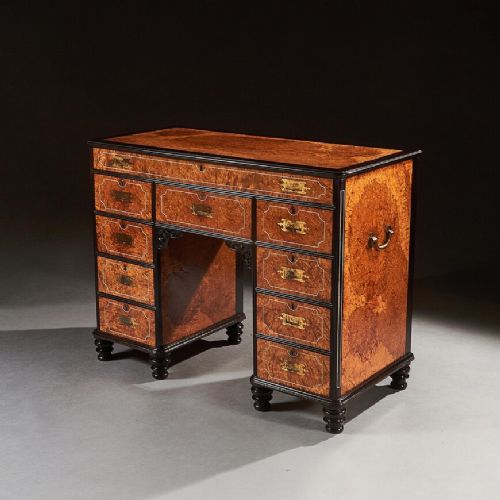
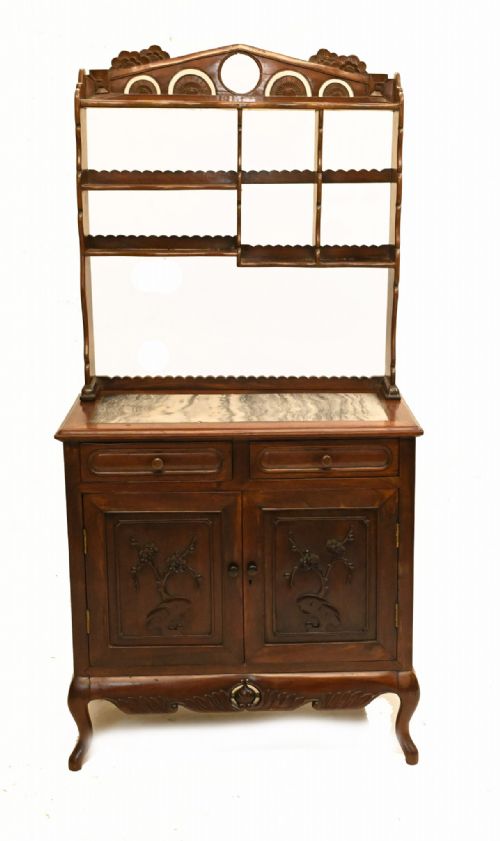
When searching for 19th century chinese export wood, buyers encounter items created specifically for western markets during the Qing dynasty and related periods. The selection spans utilitarian forms and decorative objects, ranging from nests of tables and camphor wood chests to writing desks, side tables, and tea caddies.
The objects frequently reflect a blend of traditional Chinese construction with forms dictated by European or British tastes. Many items served practical functions for travellers and traders operating in the China trade, while others functioned as display furniture in period interiors.
How they were made
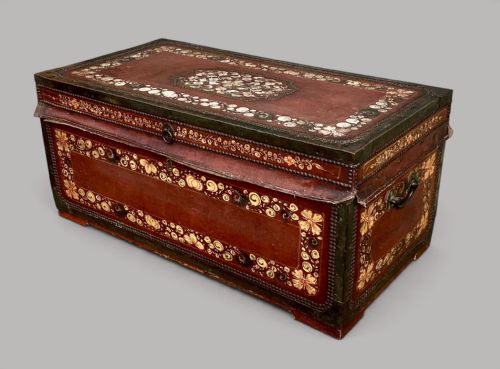
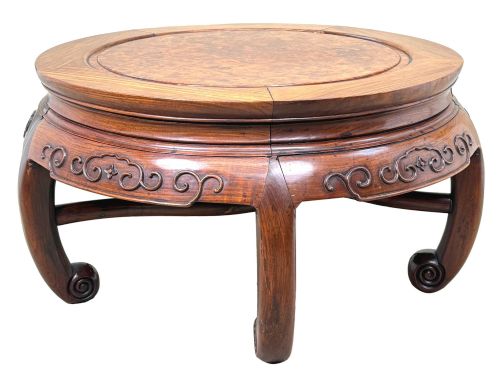
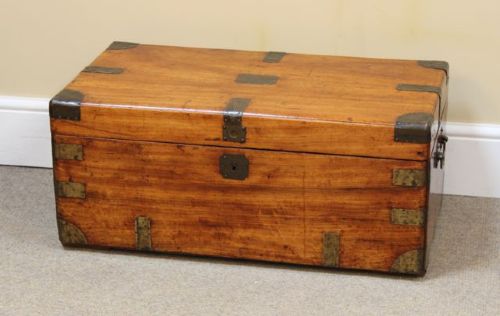
Maker workshops utilised dense regional timbers such as rosewood, padouk, camphor wood, and ebony, often highlighted with brass mounts, leather, or gold leaf. Camphor wood was valued for storage chests due to its insect-repellent properties, whilst hardwoods like rosewood provided stability for intricately carved side tables and nests.
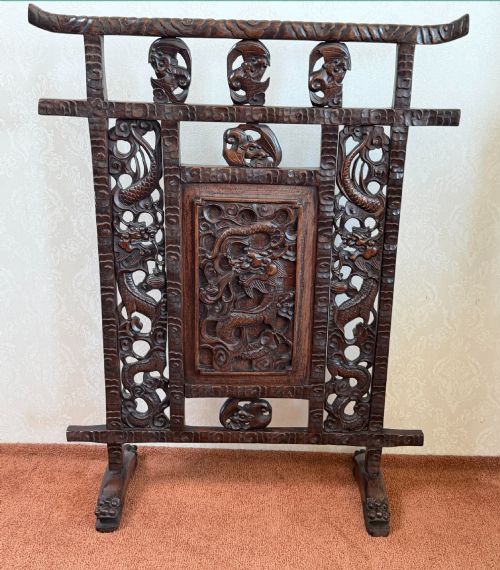
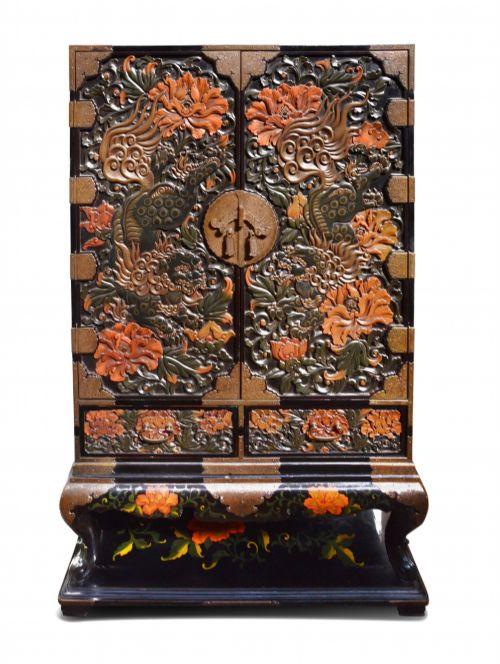
Surface decoration frequently involved deep relief carving depicting figures and dragons, alongside red or black lacquer finishes and reverse-painted mirror-glass. Joinery was executed to withstand long sea journeys, incorporating campaign brass corners and handles on trunks and desks.
19th Century Chinese Export Wood Retail Price Guide 2026
Typical asking prices for 19th century chinese export wood among the pieces listed under this phrase on Sellingantiques today, from the lower quarter to the upper quarter. They describe what is for sale here now, not the wider market.
Carved dragons peer out from walking sticks, gongs, and side tables across the selection.
What varies in quality
Depth and precision of the hand-carving distinguish finer examples from simpler commercial output, particularly on card cases, screens, and furniture frames. Sharpness in floral and figural motifs indicates skilled handwork by master carvers.
The choice of primary timber and the preservation of original lacquer or polish heavily influence the character of each piece. Selection of dense, well-figured rosewood or amboyna elevates an item above standard utility wares.
The 19th Century Chinese Export Wood Glossary
- Chinese Export
- Items manufactured in China specifically for export to western markets during the 18th and 19th centuries. These objects typically fuse Asian materials with European forms.
- Camphor Wood
- A fragrant timber harvested from the camphor tree, widely utilised for trunks and chests because its natural aroma repels moths and insects. It is soft yet durable.
- Lacquer
- A durable resin finish applied in multiple layers to wood and polished to a smooth gloss, often decorated with painted or carved designs. Red and black lacquer are common.
- Padouk
- A heavy, durable tropical hardwood with a distinctive reddish hue, favoured for desks and furniture during the 19th century. It takes a fine carved finish.
- Campaign
- Portable furniture designed to fold or dismantle for military officers or travellers, typically fitted with recessed brass handles and corner brackets.
19th Century Chinese Export Wood: Frequently Asked Questions
What is Chinese export furniture?
Chinese export furniture comprises items made in China during the 18th and 19th centuries to satisfy western demand. These pieces combine traditional eastern woodworking techniques with European shapes and functional requirements.
Craftsmen produced everything from nests of tables to large cabinets and desks, utilising dense local timbers and intricate surface decoration tailored for foreign buyers.
How do I identify camphor wood chests?
Camphor wood chests from this era are recognizable by their distinct aromatic scent and pale, grained timber. They often feature brass bound corners and recessed handles for transport during travel.
These trunks served practical storage functions on ships and in colonial homes, protecting textiles from humidity and pests.
Where were export items used?
These items were utilised in British and European drawing rooms, studies, and colonial residences during the 19th century. They brought an exotic aesthetic to western interiors while serving everyday domestic needs.
Trunks held personal belongings, tea caddies stored valuable leaves, and desks provided writing surfaces for merchants and officials.
What is a nest of tables?
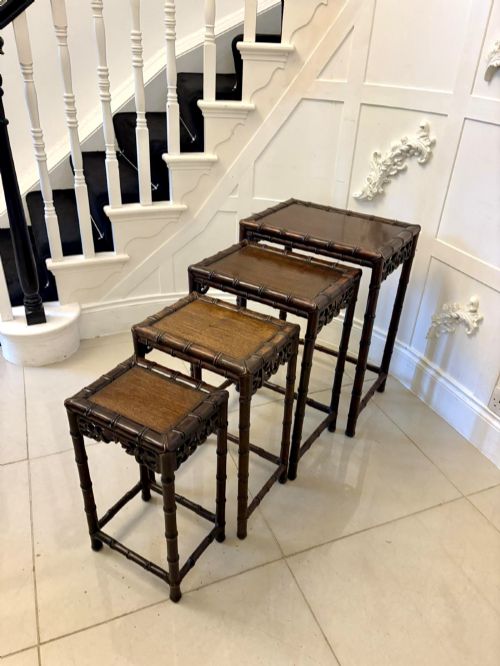
A nest of tables consists of a set of graduating tables designed to slide neatly beneath one another when not in use. 19th century examples in hardwood or bamboo style were popular space-saving accessories.
They allowed households to deploy extra surfaces for tea or card games instantly without cluttering the room.