



Chinese Elm Table
A Chinese elm table brings provincial character and rich timber grain to an interior, moving effortlessly from low coffee forms to imposing altar surfaces.
Chinese Elm Table
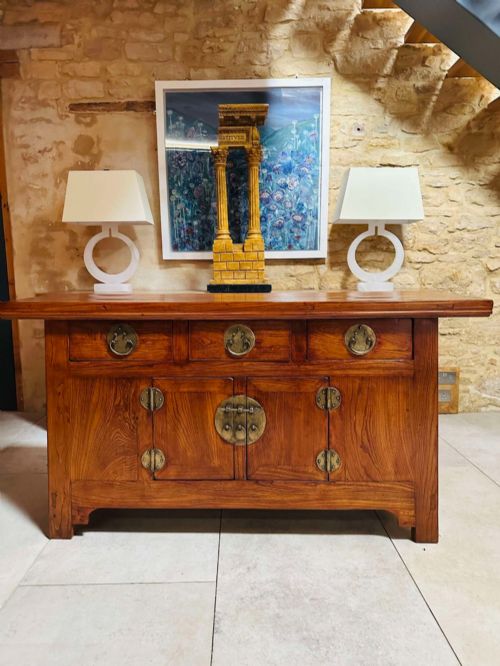
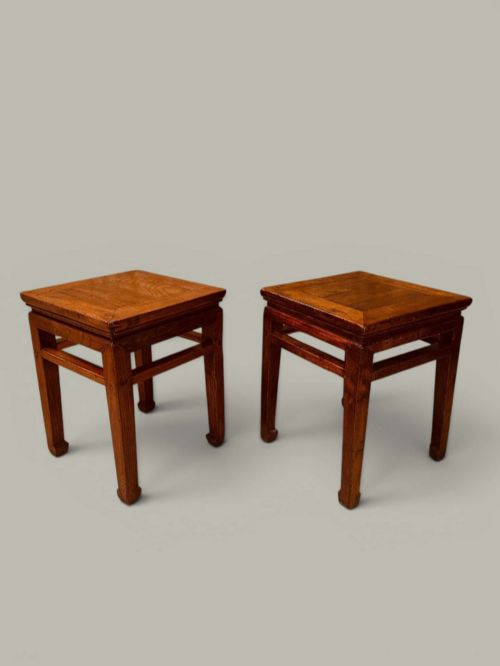
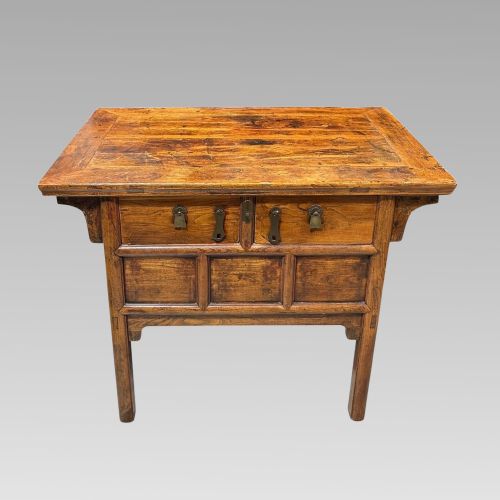
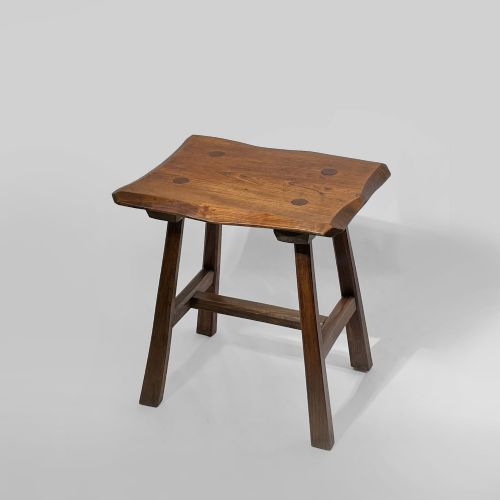
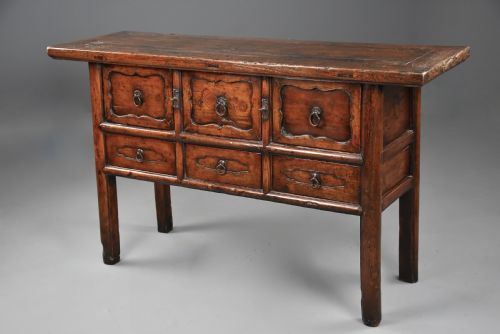
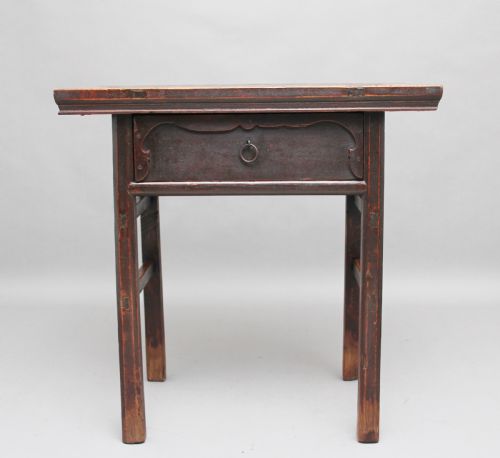
A Chinese elm table encompasses a diverse array of domestic and ceremonial forms, spanning compact side tables, low coffee pieces, and long altar designs. The pieces originate primarily from the nineteenth century and the early decades of the twentieth, reflecting traditional provincial joinery and regional Chinese aesthetics.
Buyers frequently encounter side tables and low coffee variants adapted from traditional kang tables, alongside larger console and altar formats. These items serve multiple functions in modern settings, acting as display surfaces, low writing desks, or central coffee tables.
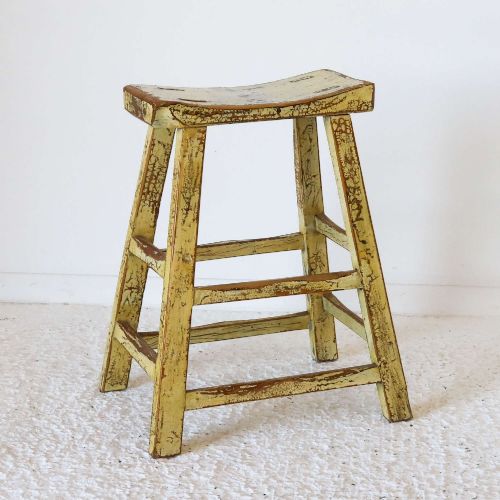
The selection ranges from rustic vernacular items with visible wear to more formal lacquered examples, all sharing the underlying structural warmth of Asian timber.
Assessing Quality and Patina
Quality rests in the depth of the patina and the integrity of the original surface finish, whether bare timber or aged lacquer. Pieces that retain their original joinery without excessive modern intervention command greater appreciation from collectors.
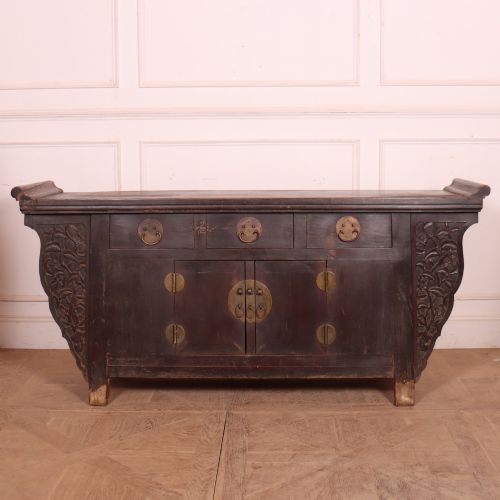
Proportion and structural balance separate standard utility pieces from finer examples, such as altar tables with well-carved aprons or balanced low tables. The handling of the timber grain and the honesty of the wear patterns dictate the overall visual weight.
Chinese Elm Table Retail Price Guide 2026
Typical asking prices for chinese elm table among the pieces listed under this phrase on Sellingantiques today, from the lower quarter to the upper quarter. They describe what is for sale here now, not the wider market.
Object forms recorded here include sideboards, desks, blanket chests, benches, and demilune tables alongside the primary table variants.
The Chinese Elm Table Glossary
- Altar table
- A long, narrow ceremonial table traditionally placed against a wall, characterised by high proportions and often featuring upturned flanged ends.
- Kang table
- A low table designed for use on a heated brick bed, now widely repurposed as a low coffee table in contemporary interiors.
- Patina
- The deep, lustrous surface sheen developed through decades of handling, exposure, and natural ageing of the timber.
- Lacquer
- A traditional protective and decorative coating applied in multiple layers, frequently seen in red or black finishes on provincial furniture.
- Mortise and tenon
- A traditional woodworking joint where a projecting tenon fits snugly into a corresponding mortise hole, securing the frame without reliance on modern adhesives.
Chinese Elm Table: Frequently Asked Questions
How were low Chinese elm tables originally used?
Low tables served primarily on elevated sleeping platforms or kang beds, where households gathered for dining, tea, and writing during colder months.
Today, these low proportions translate easily into modern spaces as coffee tables or accent pieces positioned before low seating.
What is an altar table?
Altar tables were traditionally utilised in domestic or temple settings for ceremonial displays, offerings, and ancestor worship. They are distinguished by their elongated, narrow surfaces and often feature architectural side aprons.
In contemporary homes, their slim profile makes them ideal for narrow hallways, behind sofas, or as console display surfaces.
How do I care for antique elm furniture?
Antique elm requires minimal intervention, benefiting most from a stable indoor environment away from direct heat sources and extreme humidity fluctuations.
Applying a light, natural wax periodically helps nourish the dry timber and maintains the characteristic patina without sealing the wood.
How can I tell the age of these tables?
Dating relies on observing construction methods, tool marks, timber shrinkage, and the natural wear accumulated over generations of daily use. Nineteenth-century examples often display hand-cut joinery and deep surface patination distinct from modern reproductions.
Period markers also appear in the specific styling of the aprons, leg shapes, and the integration of brass or iron hardware.