


Chinese Dragon Urns
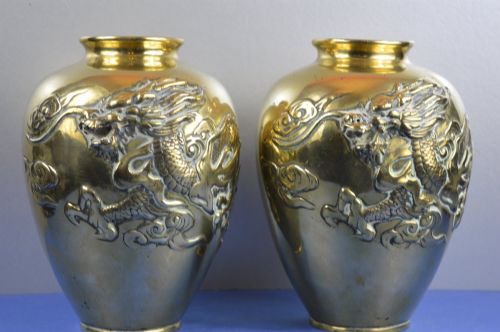
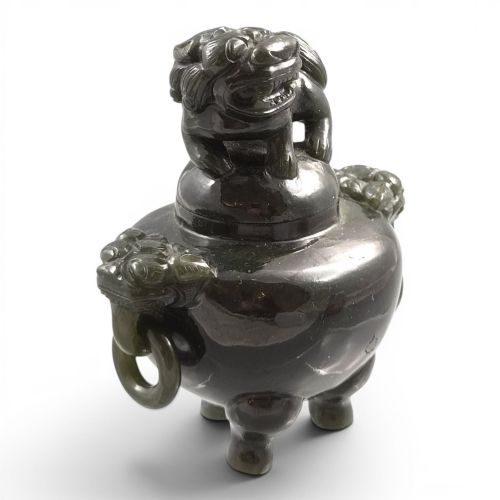
Chinese dragon urns bring heavy cast metal and detailed porcelain into a room, offering a distinct focus of traditional craftsmanship.
Chinese Dragon Urns
Chinese dragon urns encompass heavy metal vessels, porcelain jars, and display pieces created across the nineteenth and early twentieth centuries.
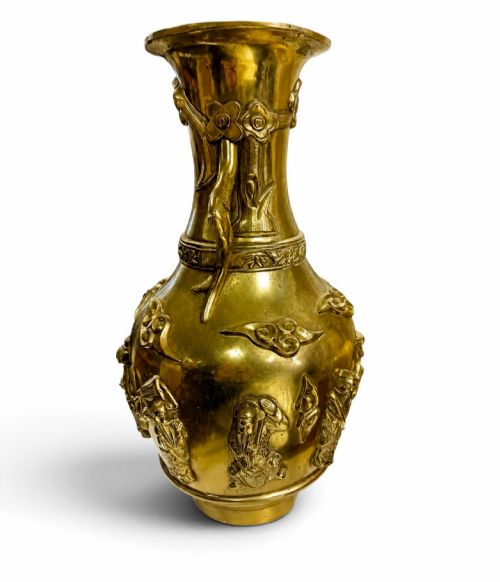
Vessels in this category often take the form of baluster vases, lidded jars, and ritual vessels carrying imperial or symbolic motifs.
Buyers seeking these items will frequently encounter nineteenth-century bronze vases and Canton porcelain pieces on this page.
Materials and construction
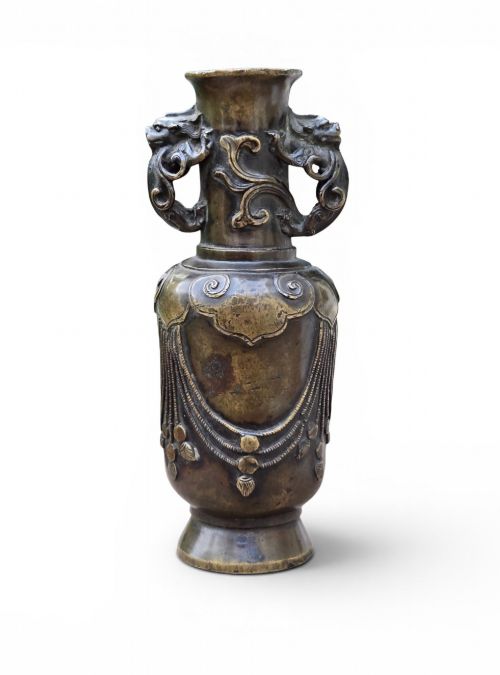
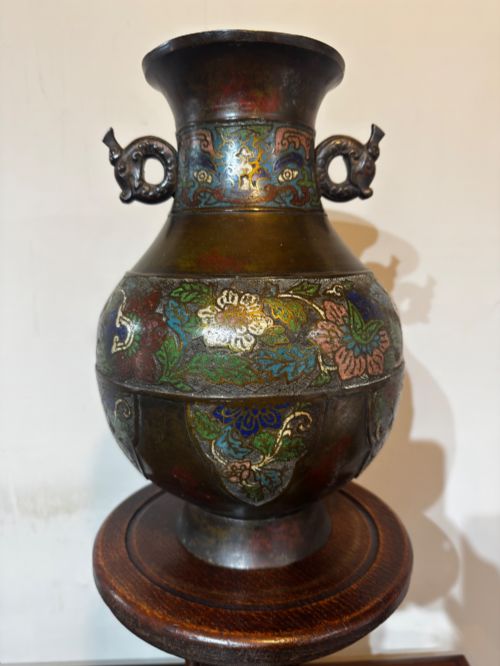
Metal vessels rely on bronze, brass, and copper alloys shaped through casting, often featuring high-relief decorations or champlevé enamel work.
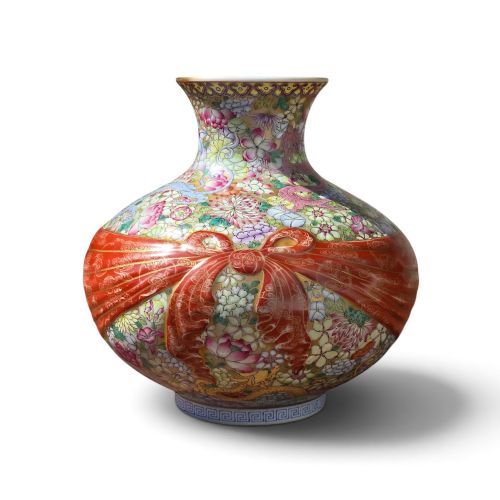
Ceramic pieces combine porcelain bodies with underglaze blue, famille rose enamels, and iron-red pigments fired at high temperatures.
Hardwood components such as stands and tables utilise dense timber paired with inset marble tops.
Listings span bronze, brass, enamel, porcelain, and hardwood across periods ranging from the seventeenth century through to the Edwardian era.
Assessing quality and execution
Quality rests in the crispness of the casting and the depth of relief work, where sharper lines separate superior metalwork from plain production.
Ceramic pieces depend on the precision of the hand-painted details and the clarity of the glaze across the body.
Material weight and the presence of base marks indicate the scale of ambition behind each individual object.
The Chinese Dragon Urns Glossary
- Baluster
- A vase shape with a rounded body and a narrow neck. This form provides a stable base for heavy metal casting.
- Champlevé
- An enamel technique where troughs are dug into a metal surface and filled with vitreous paste before firing. This method creates colourful patterns alongside bare metal lines.
- Famille Rose
- A palette of opaque enamels dominated by pink shades, popular in Qing dynasty porcelain. This style allows for layered floral and figural scenes.
- Doucai
- A technique combining underglaze blue outlines with overglaze enamel infills. The resulting pieces show a distinct contrast between cobalt and bright colours.
- Jardinière
- A large decorative pot designed to hold plants or flowers. These items often match the metal or ceramic style of nearby urns.
Chinese Dragon Urns: Frequently Asked Questions
What are Chinese dragon urns?
These pieces are decorative vessels made from bronze, brass, or porcelain, featuring dragon motifs cast or painted onto the surface.
They originate mainly from the nineteenth and early twentieth centuries, reflecting traditional East Asian metalwork and ceramic traditions.
How were these urns used?
Many served as ornamental display objects in domestic settings, while others functioned as altar vessels or flower holders.
Larger metal examples often stood on hardwood tables or served as floor-standing decorative elements in period interiors.
How do I care for bronze urns?
Metal surfaces require gentle dusting with a soft, dry cloth to prevent the accumulation of grit and dirt.
Avoid using abrasive cleaning products or polishes that might strip away the natural patina accumulated over the decades.
How do I identify porcelain styles?
Porcelain styles depend on the colour palette and glazing technique, such as the pink tones of famille rose or the cobalt hues of blue and white.
Base marks often provide clues to the period and manufacturing context of the ceramic vessel.