




Chinese Decorative Ceramics
Chinese decorative ceramics bring centuries of skilled kiln work and vibrant hand-painted palettes into domestic spaces.
Chinese Decorative Ceramics
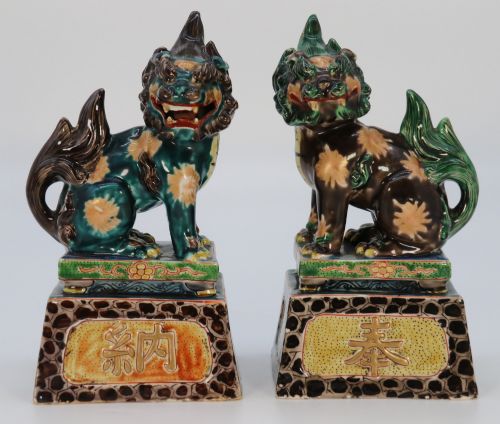
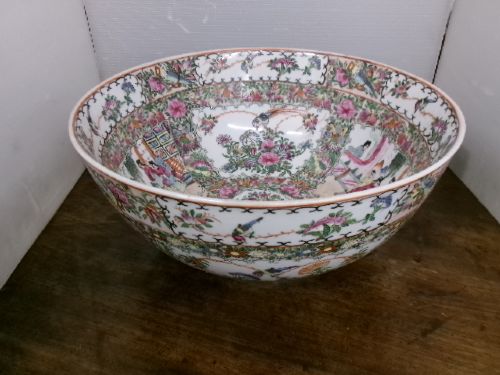
Chinese decorative ceramics encompass a wide range of vessels and figures intended primarily for display and ornament rather than utility alone. When exploring Chinese decorative ceramics, a buyer meets forms such as large punch bowls, garden seats, floor vases, and figural sculptures.
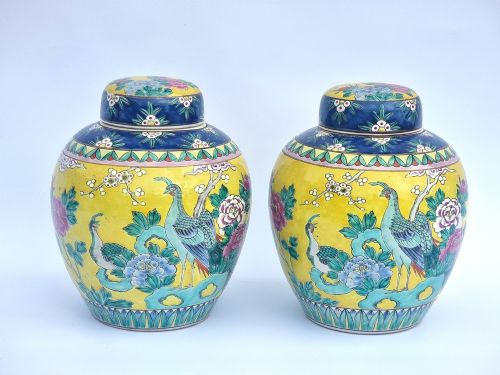
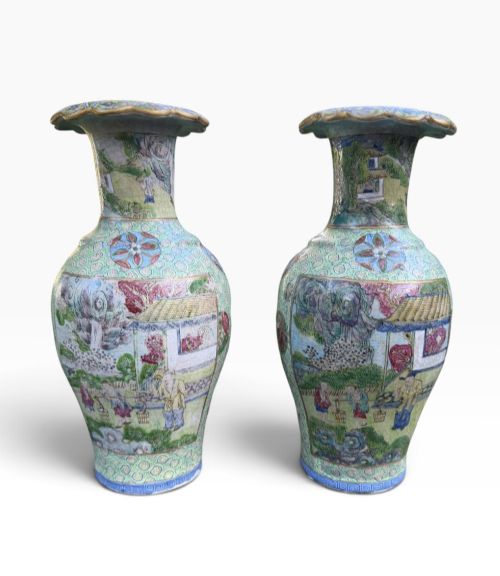
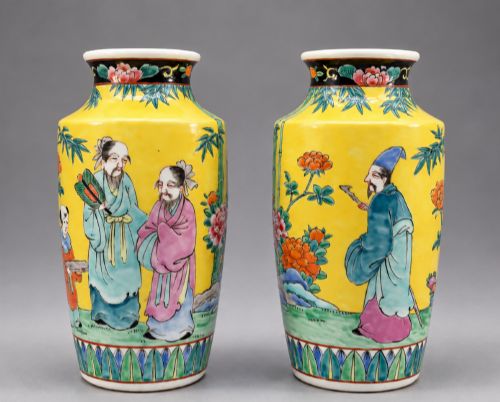
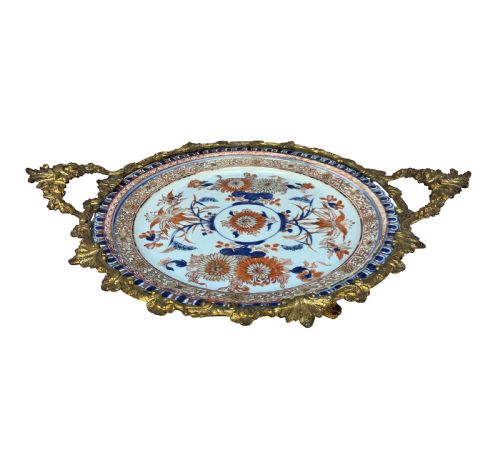
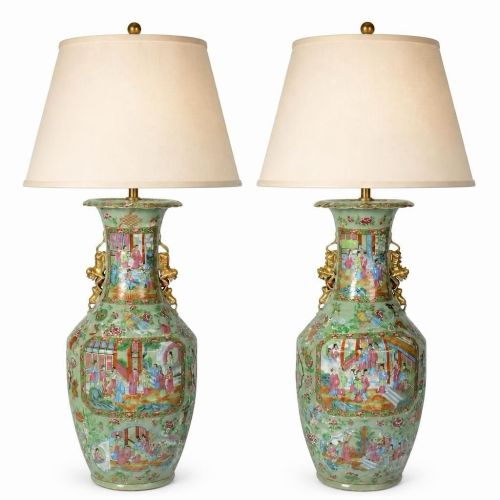
The selection on this page leans heavily toward pieces originating from the eighteenth and nineteenth centuries, alongside twentieth-century Republican period and revival examples. Common formats include matching pairs of vases, scalloped dishes, and ginger jars adorned with traditional motifs.
Vessels range from modest cabinet pieces to monumental floor vases and jardinières, reflecting the diverse output exported to Western markets or kept for domestic imperial use.
How they were made
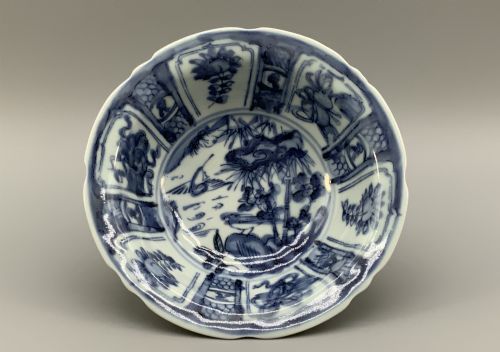
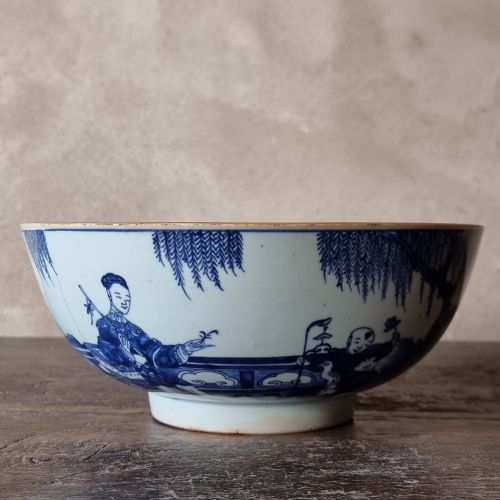
Makers relied on high-fired porcelain, stoneware, and earthenware bodies shaped on the wheel or pressed into moulds before receiving intricate surface treatments. Cobalt blue underglaze painting formed the foundation of many classic blue and white pieces.
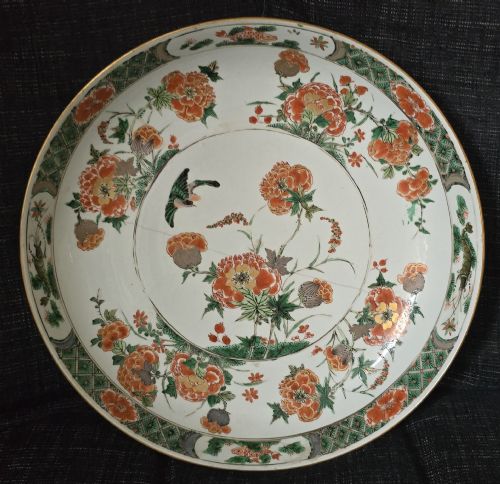
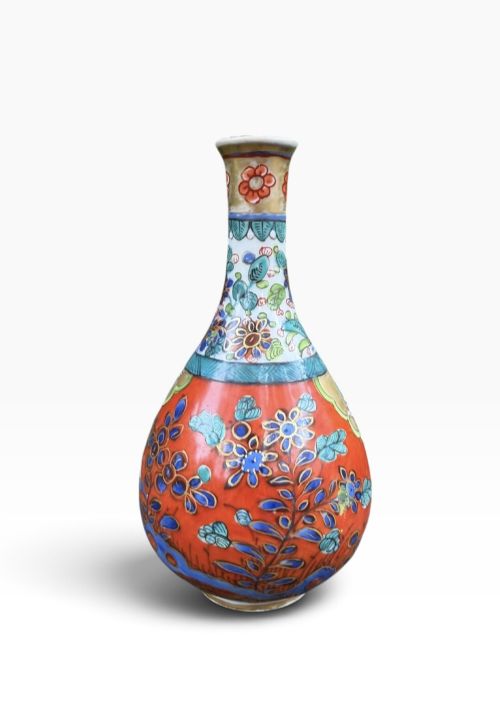
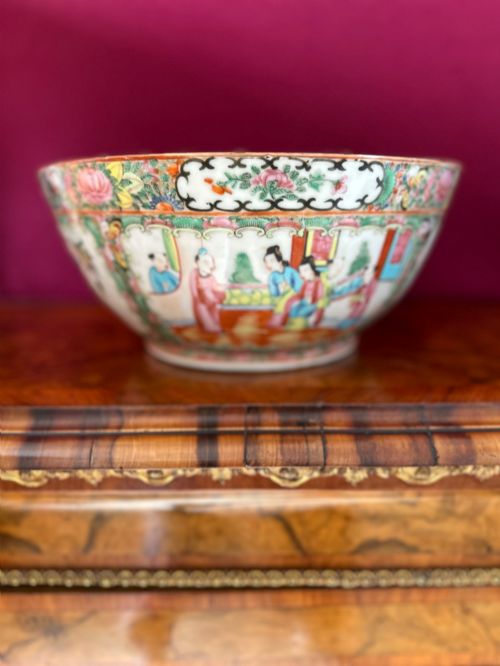
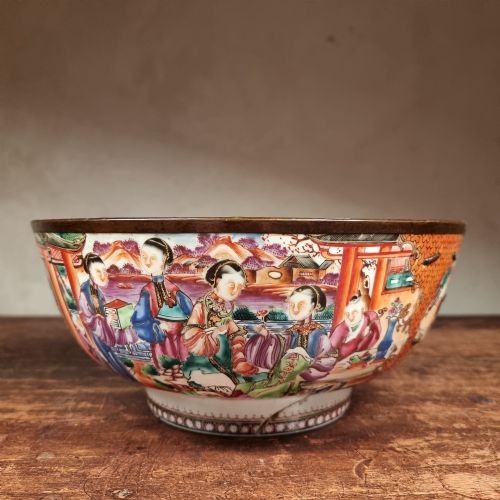
Overglaze enamel palettes, including Famille Rose, Famille Verte, and iron-red applications, were added in subsequent kiln firings to build rich polychrome designs. Gilding, gold leaf, and ormolu mounts frequently accented the finer decorative vessels.
Cloisonné enamel work utilised metal wire partitions soldered to a base to create cells filled with coloured paste, which were then fired and polished smooth.
Chinese Decorative Ceramics Retail Price Guide 2026
Typical asking prices for chinese decorative ceramics among the pieces listed under this phrase on Sellingantiques today, from the lower quarter to the upper quarter. They describe what is for sale here now, not the wider market.
The inventory spans multiple periods, featuring eighteenth-century Kangxi pieces alongside nineteenth-century Canton wares and twentieth-century Republican period items.
What varies in quality
Quality rests primarily in the precision of the hand-painting, where crisp brushwork, balanced composition, and depth of colour separate master works from standard commercial output. Enamels applied with subtle shading and clean outlines demonstrate superior workshop standards.
The refinement of the ceramic body itself, such as the thinness and translucency of the porcelain or the purity of the glaze without excessive pitting, marks the distinction between ordinary and exceptional pieces.
Imperial-marked wares and items retaining original ormolu mounts or fitted stands command greater attention due to their documented provenance and superior finishing.
Zhu Mao Ji·Daisy Makeig-Jones Wedgwood
The Chinese Decorative Ceramics Glossary
- Famille Rose
- A palette of opaque pink and rose enamels introduced during the Qing dynasty. This palette allowed for delicate shading of floral and figural scenes.
- Clobbered
- Refers to earlier blue and white porcelain that received subsequent overglaze painting in Europe, typically adding heavy colours and gold.
- Sancai
- A three-colour glaze technique characteristic of Tang dynasty pottery, using amber, green, and cream or white tones.
- Cloisonné
- An enamelling technique where metal strips are soldered to a body to form compartments for coloured glass pastes before firing.
- Imari
- A style of ceramic decoration featuring deep cobalt blue, iron-red, and gilt highlights, originally inspired by Japanese export wares and later replicated in China.
Chinese Decorative Ceramics: Frequently Asked Questions
How do I date Chinese porcelain?
Dating relies on combining stylistic evidence, such as the palette and form, with any reign marks found on the base.
Secondary indicators include the character of the glaze, the weight of the ceramic body, and the ageing of the foot rim.
What is Famille Rose porcelain?
Famille Rose describes ceramics decorated with a distinctive opaque pink or purple enamel derived from colloidal gold.
This palette gained favour in the eighteenth century and allowed artists to render soft shading on floral and human subjects.
Are these pieces meant for daily use?
Most decorative ceramics were created for display, ritual, or interior ornamentation rather than heavy household service.
Large punch bowls, jardinieres, and vases are best utilised as focal points on sturdy furniture away from busy walkways.
What does clobbered mean on ceramics?
Clobbered porcelain describes older blue and white pieces that were later embellished in Europe with additional enamel colours and gilding.
This secondary decoration often covered parts of the original underglaze design to suit Western tastes.