


Chinese Carved Chest
A Chinese carved chest brings tactile history into a room, offering aromatic storage with heavily worked panels of traditional motifs.
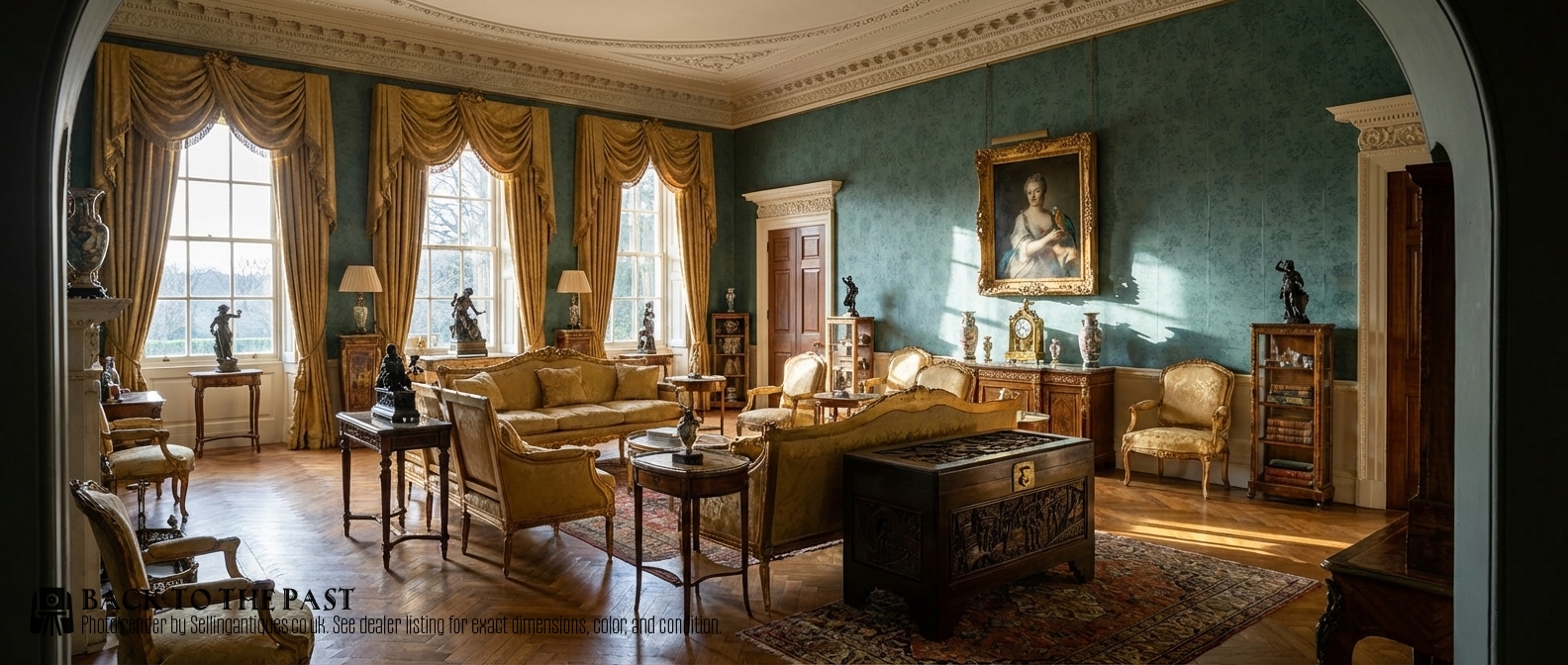
Chinese Carved Chest
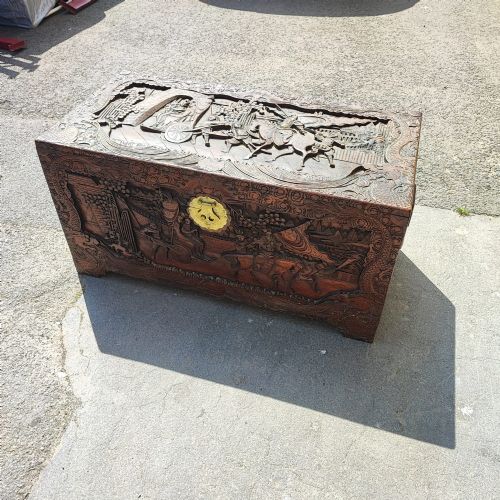
A Chinese carved chest most frequently appears as a camphor wood trunk, blanket box, or coffer dating from the nineteenth and early twentieth centuries. These pieces were built for travel or domestic storage, utilising dense timbers that protected contents from insects and humidity.
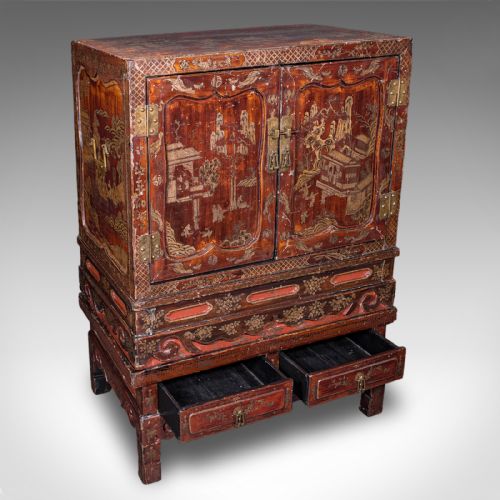
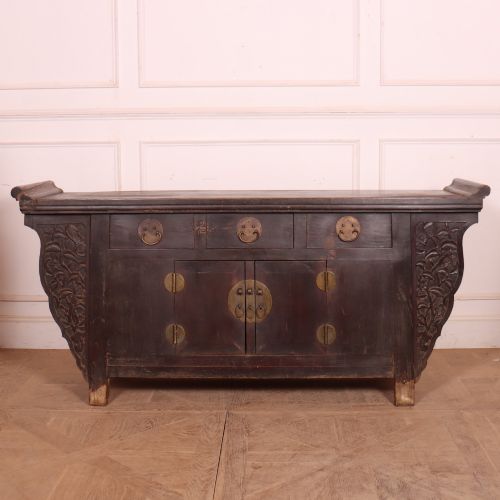
The version you are most likely to meet on this page is the camphor wood trunk, heavily carved with figurative or floral panels across the lid and sides. Alongside these trunks, the listings include cabinets, wedding chests, and campaign pieces spanning the Victorian era through to the 1930s.
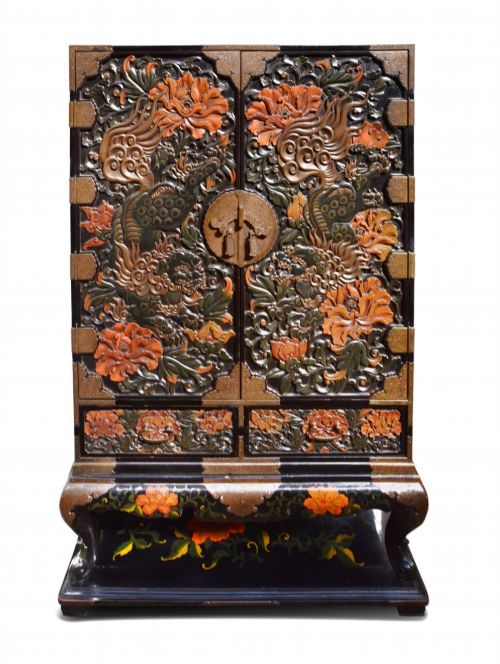
Makers and workshops produced these items for both domestic use and export markets, incorporating styles from the Qing Dynasty alongside Chinoiserie and Art Deco influences. Structural forms range from simple blanket boxes to elaborately fitted cabinets on stands.
Materials and construction methods
Camphor wood and elm form the structural core of these pieces, selected for their durability and distinctive grain. Artisans combined these timbers with brass hardware, including corner brackets, hinges, and heavy padlocks.
Carving technique defines the surface ornamentation, executed in deep relief by hand across lids and panels. Lacquer finishes, sometimes incorporating gold leaf or inlaid mother of pearl, appear on select cabinets and boxes.
Joinery methods relied on traditional interlocking construction to accommodate movement in the wood over decades of changing climates.
Camphor wood keeps its sharp, medicinal scent across the decades, meaning these chests still smell faintly of an international voyage from a century ago.
Assessing quality and execution
Depth and crispness of the hand carving separate standard commercial output from superior examples. Master carvers achieved distinct layering and fine detail in figurative scenes, whereas lesser pieces feature shallow, repetitive stamping.
Condition of the timber and original hardware dictates the integrity of a piece. Intact brass fittings and unwarped camphor panels indicate careful preservation and superior original material selection.
Cohesion of style and finish, whether a polished wood grain or a layered lacquer surface, determines the aesthetic success of the object.
The Chinese Carved Chest Glossary
- Camphor wood
- Aromatic timber native to Asia, prized for insect-repellent properties and distinct fragrance. It forms the primary material for the majority of these storage chests.
- Coffer
- A heavy box or chest used for holding valuables, often featuring a hinged lid and robust construction. In these listings, it frequently doubles in modern settings as a low table.
- Chinoiserie
- European interpretation and imitation of Chinese artistic traditions and motifs, popular across various decorative periods. This style appears on several cabinets and stands listed here.
- Campaign chest
- Portable furniture designed in sections with recessed brass handles for military transport. Examples in the evidence combine campaign formatting with Chinese craftsmanship.
- Lacquer
- Protective and decorative finish applied in multiple layers to wood surfaces, sometimes inlaid or carved. It is seen on nineteenth-century cabinets and red cupboards.
Chinese Carved Chest: Frequently Asked Questions
What were these chests originally used for?
These pieces served primarily as travel luggage or domestic storage for clothing and textiles. Their aromatic wood protected valuable garments from moths and dampness during transport or household storage.
Over time, many functioned as dowry chests or wedding trunks, holding household linens and personal effects for newly married couples. Their sturdy construction also allowed them to double as seating or tables within the home.
How do I date a Chinese carved chest?
Dating relies on examining the timber, hardware, and carving style in combination with any recorded provenance. Pieces from the nineteenth century often display deeper, more organic hand carving and heavier brass mountings.
Later examples from the early twentieth century, including the 1920s and 1930s, may incorporate transitional influences such as Art Deco limed oak or altered proportions. Examining the interior construction and lock plates further clarifies the period of manufacture.
How do I care for camphor wood?
Keep camphor wood furniture away from direct heat sources and strong sunlight to prevent the timber from drying out or splitting. Maintaining a stable room temperature preserves the natural oils and the characteristic aroma of the wood.
Clean the surface gently with a dry or slightly damp soft cloth, avoiding harsh chemical polishes that can damage the carved details. Wax can be applied sparingly to maintain the finish of the exterior panels.
Can I use a chest as a coffee table?
Many owners repurpose these trunks as coffee tables because their flat lids and sturdy proportions suit modern living spaces. Their substantial height and surface area provide both a practical table top and concealed storage underneath.
When using a chest this way, ensure the hinges and lid supports are secure to handle daily interaction. Placing protective glass or coasters on the surface helps safeguard the antique carved wood from spills.