




Childs Nursery Chair
A childs nursery chair brings domestic history to life, offering miniature seating crafted with the same care as adult furniture.
Childs Nursery Chair
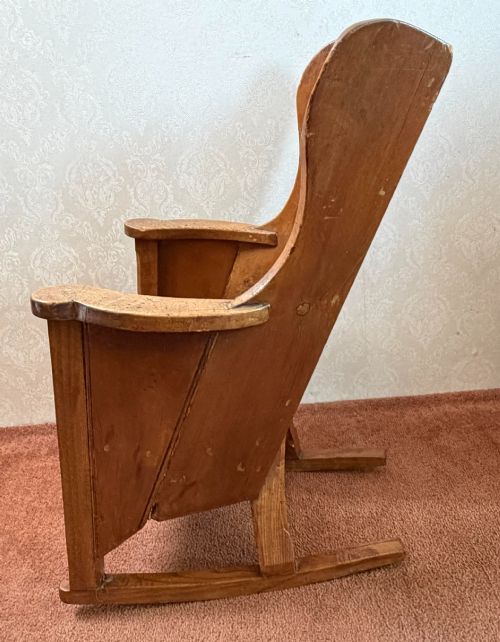
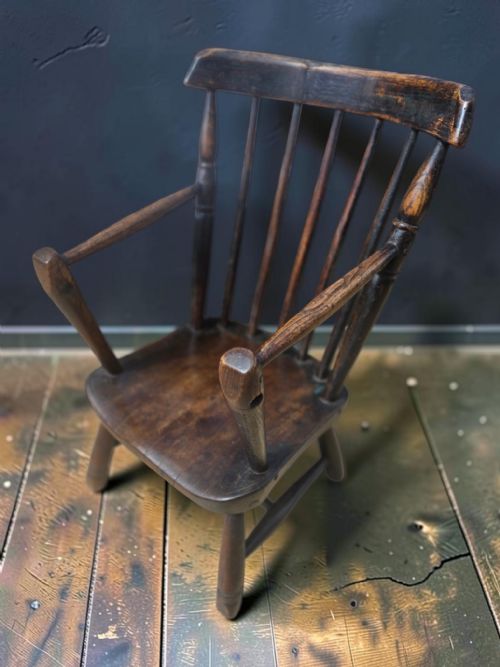
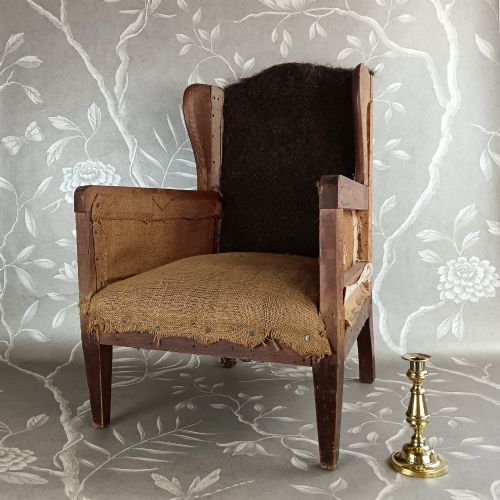
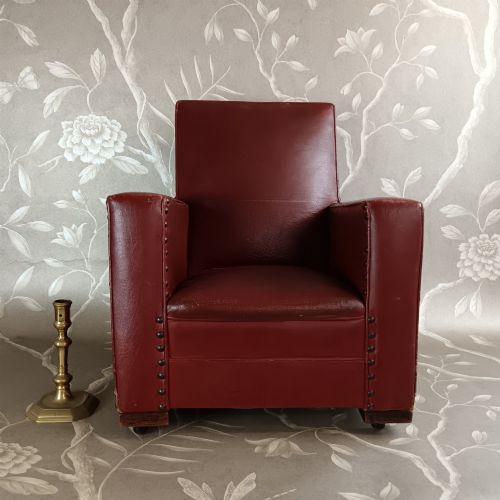
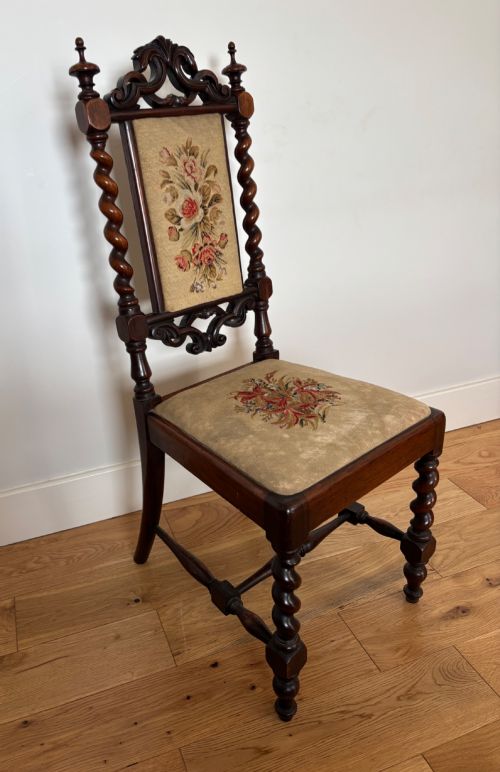
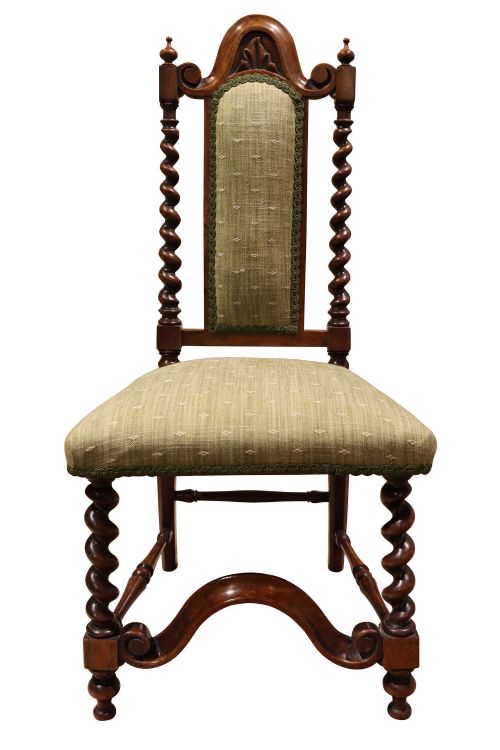
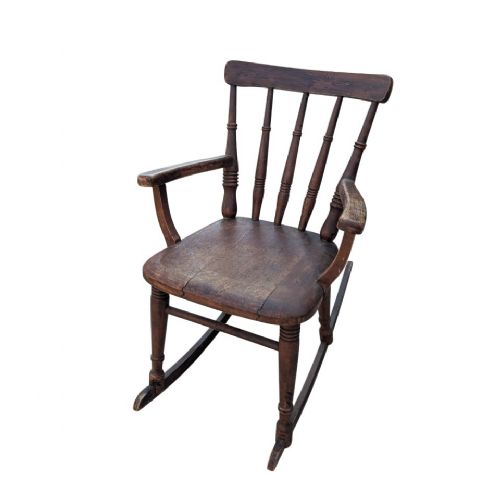
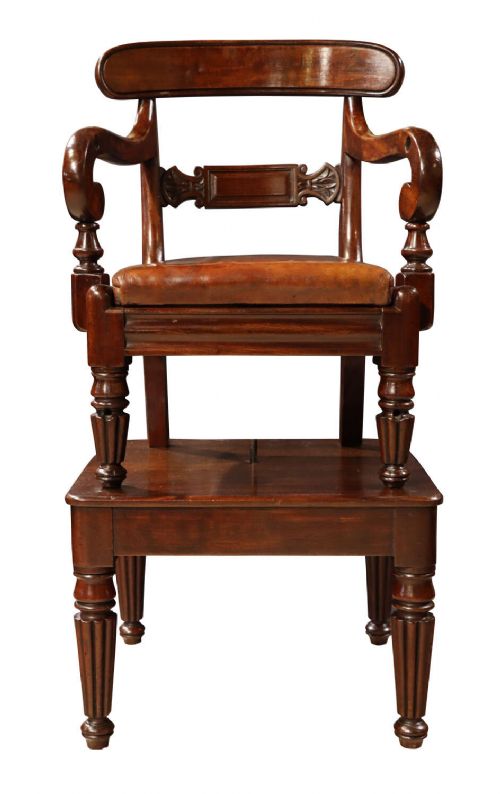
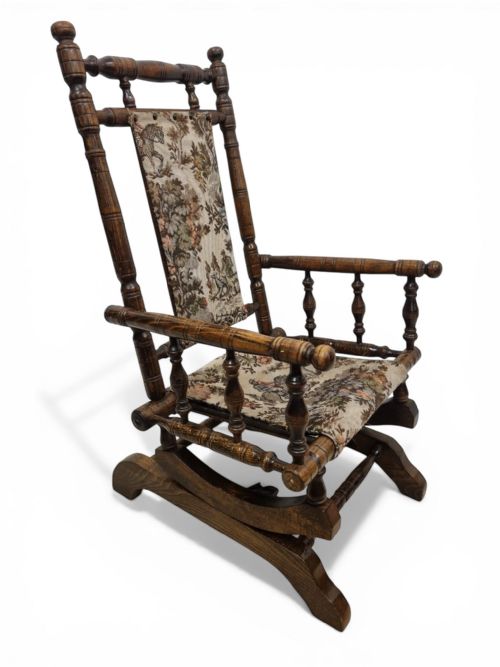
A childs nursery chair encompasses a diverse range of miniature seating designed for domestic use, spanning the Georgian, Regency, and Victorian eras through to the early twentieth century. Buyers encounter everything from simple country windsors and rocking chairs to elaborate mahogany highchairs and upholstered armchairs scaled down for children.
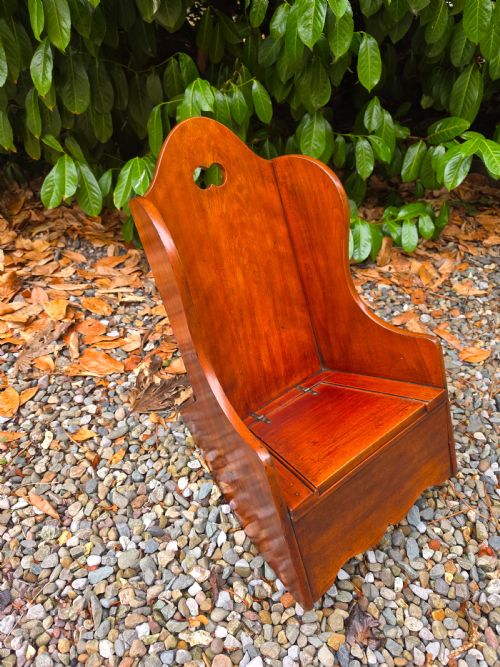
The selection includes specialised pieces such as commode chairs, potty rockers, and metamorphic highchairs that convert into play tables, reflecting the practical domestic requirements of past households. Regional country pieces in ash, elm, and fruitwood sit alongside polished walnut, mahogany, and rosewood examples from urban workshops.
Most pieces date from the nineteenth century, with solid wood construction prevailing in Windsor, rocking, and highchair formats. Smaller numbers of Edwardian, Art Deco, and revival pieces appear alongside Scandinavian country variants and painted European highchairs.
Materials and construction
Cabinetmakers and country joiners utilised native and imported timbers, pairing sturdy framing woods like oak, ash, elm, and yew with decorative hardwoods including mahogany, walnut, and rosewood. Windsor styles relied on steam-bent elements and turned spindles, while highchairs and commodes integrated complex joinery and mechanical folding actions.
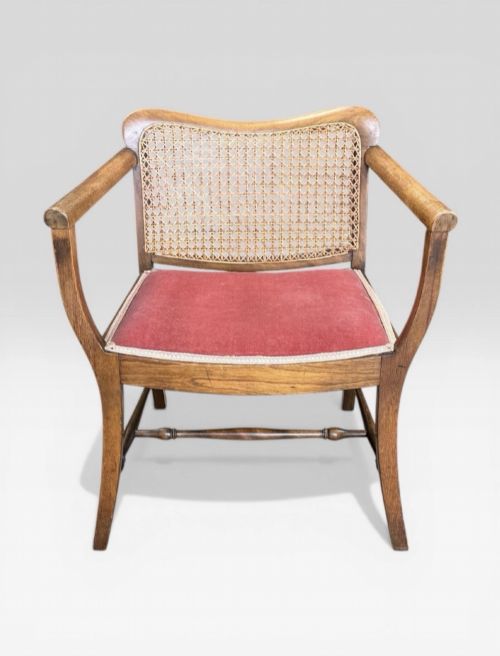
Seating surfaces involved traditional craft methods such as woven cane, rush, and solid timber planking, alongside upholstered pads finished in leather, tapestry, and buttoned fabrics. Turned supports, barley twist legs, and carved details echoed the prevailing furniture styles of each period, from George III to Victorian.
Listings feature solid woods like elm, ash, and yew alongside polished mahogany and walnut across periods from Georgian to the 1930s.
Assessing the work
Quality rests upon the integrity of the timber selection and the fidelity of the miniature scale, where master makers maintained correct proportions rather than merely shrinking a standard chair. Refined details like finely turned spindles, carefully carved armrests, and well-executed joinery distinguish bespoke workshop output from naive country utility pieces.
The survival of original surfaces, whether polished mahogany, patinated fruitwood, or early painted finishes, dictates the character of each piece. Intact original elements such as cane panels, rush seats, and conversion mechanisms carry significant weight in preserving the historical integrity of the seating.
James Shoolbred
The Childs Nursery Chair Glossary
- Windsor
- A chair built with a solid wooden seat into which the legs and back spindles are tenoned directly. These vernacular pieces often feature steam-bent bow backs in elm or yew.
- Metamorphic
- Furniture designed to transform from one functional form into another, such as a highchair converting into a low chair and table combination. This engineering served domestic economy in small spaces.
- Bergere
- An upholstered armchair characterised by an exposed wooden frame and woven cane panels forming the back or sides. It appeared in refined Victorian nurseries.
- Potty rocker
- A low rocking chair fitted with a concealed compartment or chamber pot beneath the seat. These combined infant seating with toilet training convenience in the nineteenth century.
- Tub chair
- An armchair featuring a continuous curved back and arms that form a rounded enclosure. Miniature versions provided secure seating for young children.
Childs Nursery Chair: Frequently Asked Questions
How do I tell a highchair from a standard chair?
Highchairs feature elevated legs, often connected by footrests or enclosed by protective wooden safety bars and tray attachments to keep a small child secure at table height.
Standard nursery chairs sit low to the floor, matching the scale of children or incorporating rocking rails and commode apertures without the extended vertical frame.
Can I use a vintage childs chair for a modern child?
While historic nursery chairs were constructed from durable hardwoods and sturdy joinery, modern safety standards for children's furniture have changed significantly regarding enclosed spaces and tip hazards.
Many collectors prefer to display these pieces as decorative examples of miniature craftsmanship or use them for dolls and teddy bears rather than active infant seating.
What is a metamorphic highchair?
A metamorphic highchair is a dual-purpose piece of furniture engineered with hinges or sliding joints that allow the tall chair frame to separate into a small low chair and a separate play table.
This clever design saved space in nineteenth-century homes by serving two distinct functional needs with a single item of furniture.