

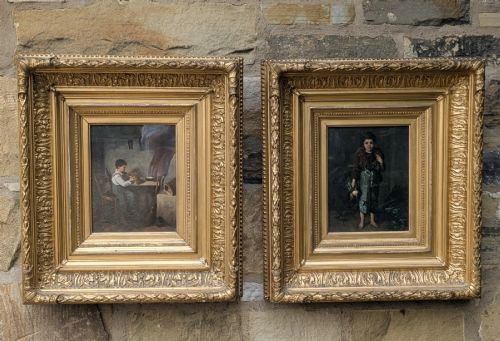
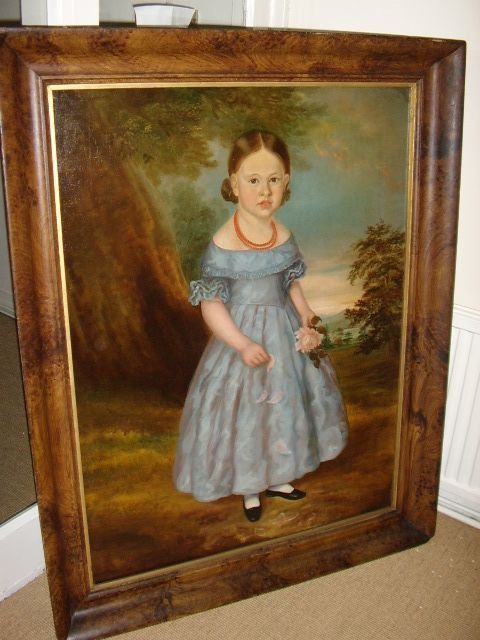
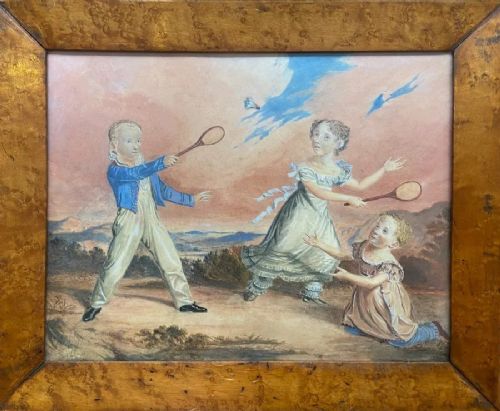



Children in Woods Painting
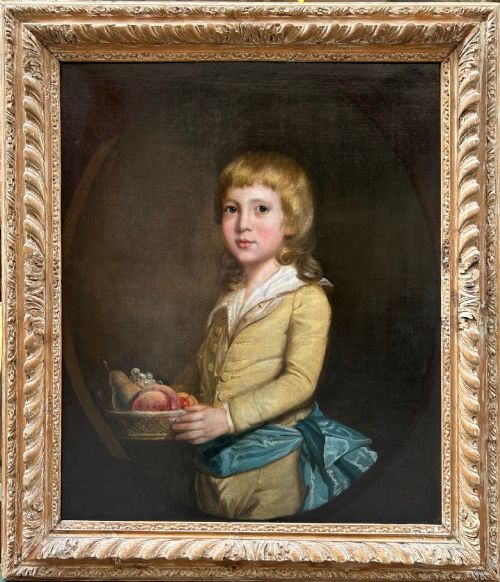
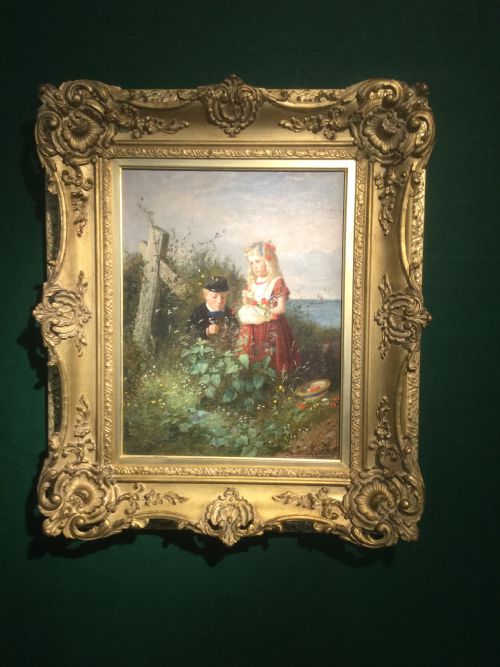
These children in woods painting works capture figures among trees in oil, watercolour and pastel from the eighteenth century to the twentieth.
Children in Woods Painting
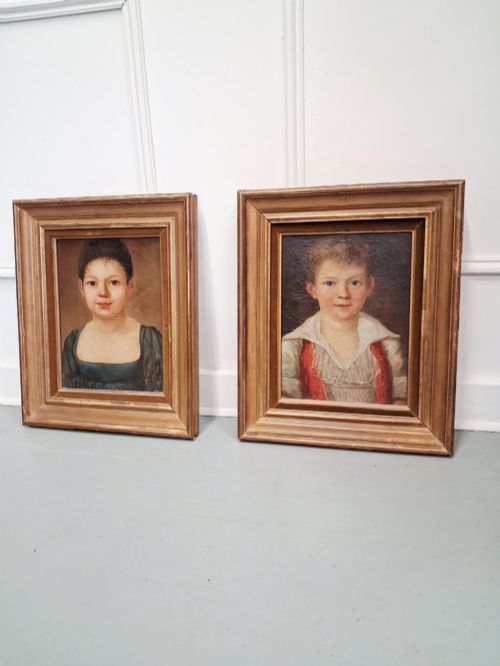
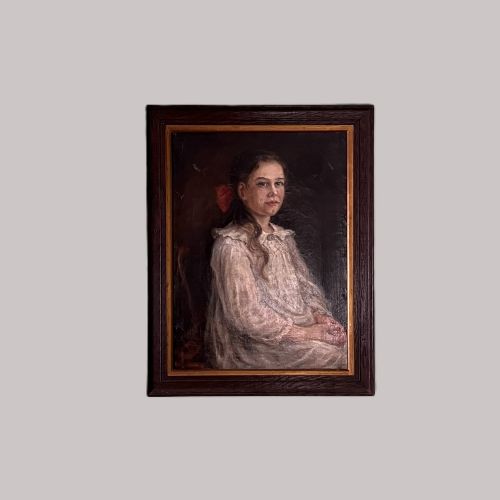
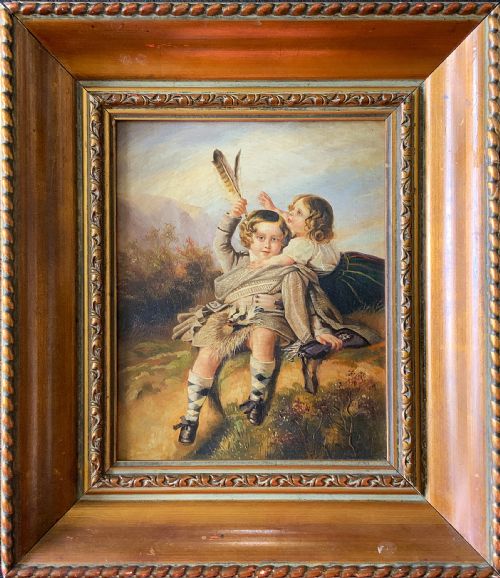
A children in woods painting brings together figures and landscape, often showing subjects picking flowers or playing outdoors. The selections here include works rendered in oil on canvas and watercolour on paper, originating across the nineteenth and early twentieth centuries.
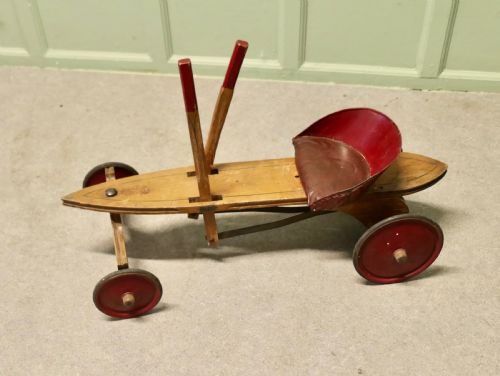
Buyers encounter landscapes by named artists alongside naive and primitive watercolours framed in rosewood or gilt wood. The physical forms span framed pictures and panel works that record historical clothing, toys and pastoral settings.
How They Were Made
Makers applied oil and watercolour pigments onto stretched canvas, prepared wood panels and paper sheets. Frames utilise wood, burr maple, glass and gold leaf to protect and display the image.
Artists worked by hand using brushes and pastels, mounting completed paintings into period frames that frequently retain their original gilding or rosewood surrounds.
Some children share the woods with a dog named Mr Quiz.
What Varies in Quality
Conservation states and frame originality also influence the standing of a piece. Intact original gold leaf frames and stable surfaces on canvas or wood panel elevate the overall integrity.
Emily Eyres·Henry Travis·Thomas Beach·Charles Hunt·Thomas Bromley Blacklock·Robert Eadie·Karl Feiertag·Thomas Hollingsworth
The Children in Woods Painting Glossary
- Oil on Canvas
- Pigment mixed with drying oil applied to a woven fabric support stretched over a wooden frame. This method allows rich colour blending and textured brushwork.
- Watercolour
- A paint consisting of soluble pigments suspended in a water-based solution, typically applied to paper. It produces transparent washes of light.
- Pastel
- A dry painting medium in the form of a stick, made of powdered pigment and a binder. Works executed in this medium require glass protection.
- Gilt-Framed
- Enclosed in a wooden surround coated with a thin layer of gold leaf or gold paint. This finish enhances the visual weight of the picture.
- Primitive
- A descriptive term for art produced by self-taught makers working outside academic traditions. These pieces prioritize direct expression over perspective rules.
Children in Woods Painting: Frequently Asked Questions
How old are these paintings?
The dates span from the eighteenth century through to the early twentieth century, encompassing Georgian, Victorian and Edwardian periods.
Specific dates or stylistic markers noted in individual titles help pinpoint the exact era of creation.
What materials were used?
Makers utilised oil paint, watercolour and pastel on supports of canvas, paper and wood panels. Frames incorporate wood, rosewood, glass and gold leaf.
These materials reflect the standard artist supplies of the eighteenth and nineteenth centuries.
How should I hang them?
Hang these works away from direct sunlight and damp conditions to protect the delicate pigments on paper, canvas and wood. Ensure picture wires and wall fixings match the weight of the original frames.
Grouping them with other period pieces or displaying them individually on neutral walls highlights their distinct framing and subject matter.
Are the frames original?
Many listings specify original frames, such as rosewood surrounds or gilt-leaf mouldings, which match the period of the artwork. Examining the corner joints and backing materials reveals whether a frame has been replaced over time.
Original frames contribute to the historical context of each painting.