
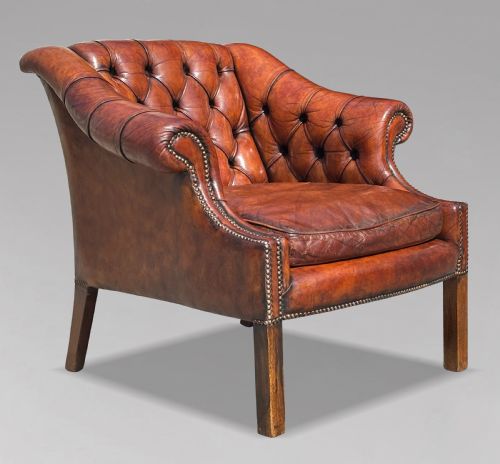
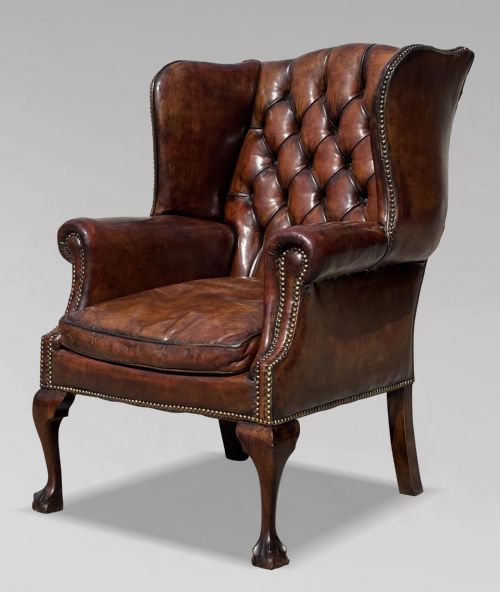
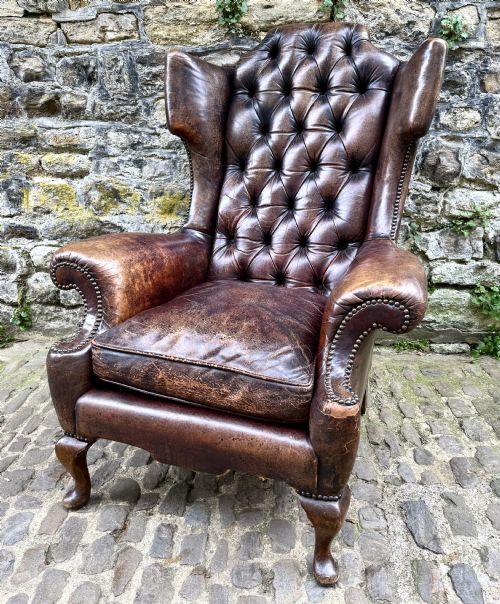

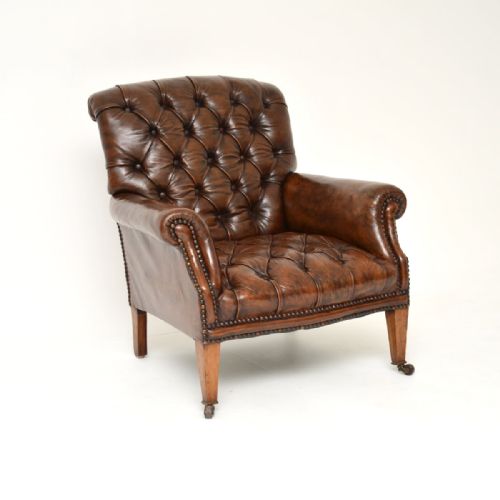
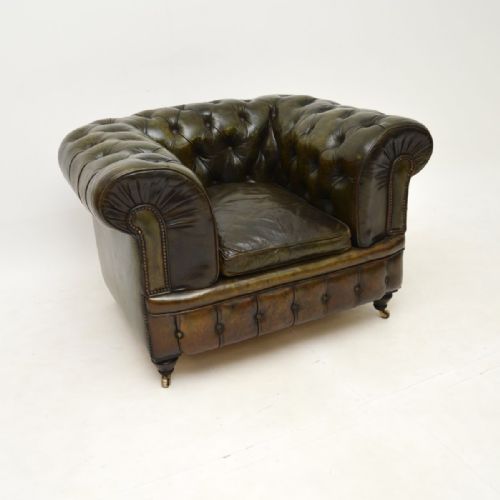


Chesterfield Buttoned Chairs
Chesterfield buttoned chairs bring deep buttoning and robust leather upholstery together, offering enduring support and character for any study or library.
Chesterfield Buttoned Chairs
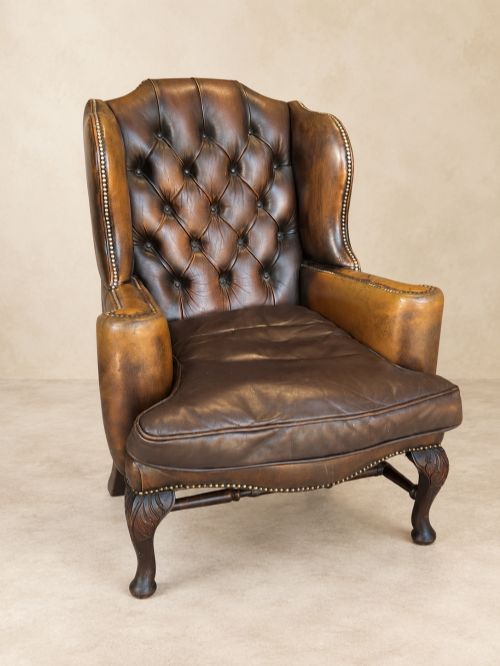
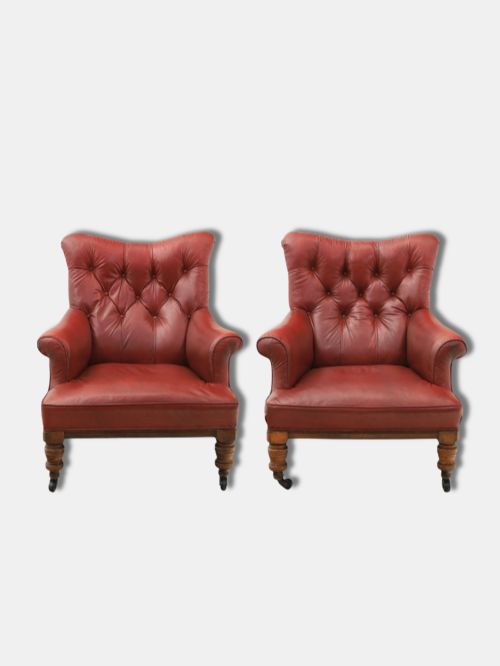
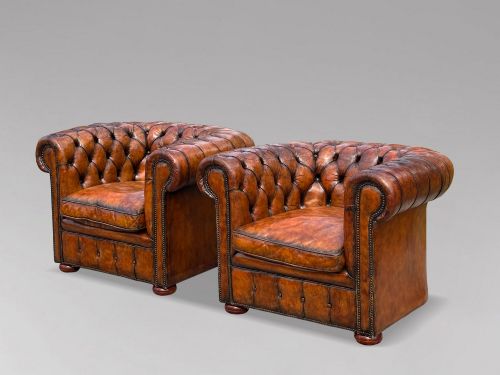
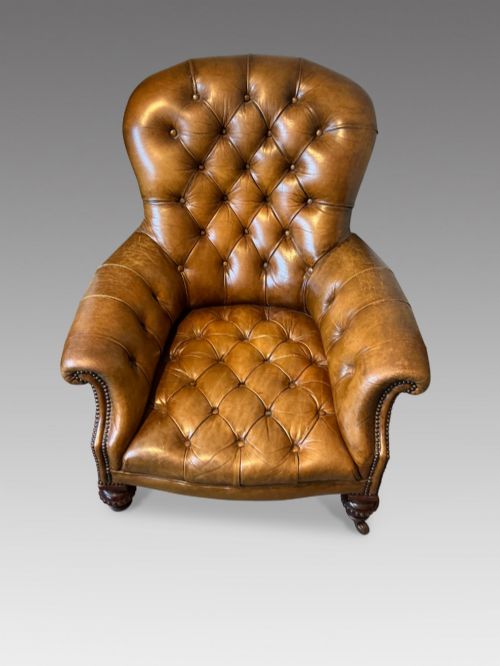
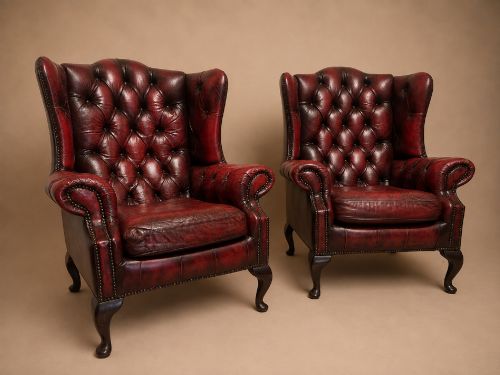
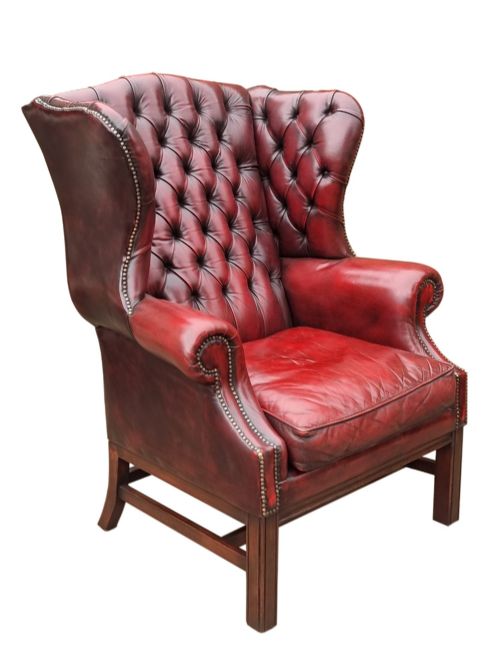
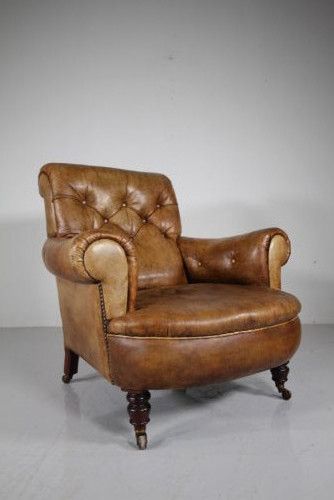
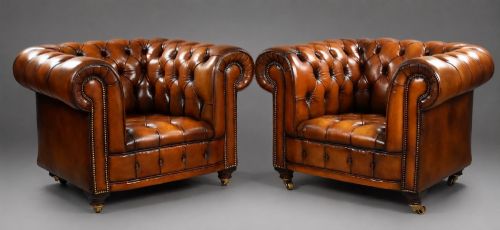
When you search for chesterfield buttoned chairs, you encounter sturdy seating designed around deep upholstery and prominent button tufting. These pieces appear frequently as club armchairs, wingbacks, library chairs, and desk chairs originating from the nineteenth and early twentieth centuries.
The versions you meet most often on this page span Victorian, Edwardian, and later periods up to the nineteen-thirties, alongside revival styles reflecting George III and Georgian aesthetics. They range from compact desk seats to large wing armchairs and chaise longues.
Form follows function closely across these examples, whether built for an office desk, a writing slope, or fireside relaxation. Makers constructed them using substantial timber frames enclosed in durable hide or rexine.
How they were made
Craftsmen built the foundations of these seats using hardwoods such as mahogany and oak, forming robust internal frames that support heavy daily use. They mounted sprung units or webbed bases before layering stuffing to shape the arms and high backs.
Upholsterers finished the exterior using leather or rexine, securing the hides with individual brass tacks and pulling the surface into distinct tufts using deep buttoning techniques. Show frames in mahogany or other timbers often remained visible around the borders of Victorian and Georgian style examples.
Materials recorded across the inventory range from traditional mahogany, oak, and hardwood frames to leather and rexine upholstery.
What varies in quality
Quality rests upon the integrity of the timber frame and the depth of the buttoning work. Superior examples display dense, well-tensioned stuffing that maintains firm support across the seat and back without sagging.
The grade of the leather and the execution of hand-dyed finishes alter the visual depth of the hide. Finer pieces exhibit careful patination and precise placement of brass studwork that complements the proportions of the frame.
Jas Shoolbred
The Chesterfield Buttoned Chairs Glossary
- Chesterfield
- A style of upholstered seating characterised by deep button tufting and rolled arms. These chairs often feature leather upholstery and heavy brass tack detailing.
- Wingback
- An armchair featuring protective side panels attached to the arms and rising to the back. This design originally shielded sitters from drafts by fireplaces.
- Rexine
- A branded artificial leather fabric made from cloth coated with nitrocellulose. This material appears on twentieth-century seating options.
- Show frame
- A wooden structural framework left exposed around the upholstered portions of a chair. Mahogany and oak examples frequently highlight this decorative construction.
Chesterfield Buttoned Chairs: Frequently Asked Questions
What defines a chesterfield buttoned chair?
These seats feature deep button tufting pressed into leather upholstery, often accompanied by rolled arms or high wingback panels. They developed as sturdy library and club seating during the nineteenth century.
Craftsmen built them on substantial hardwood frames using brass tacks to secure the hide. Their proportions prioritise substantial comfort and durable support.
How do I date a leather armchair?
Dating relies upon examining the timber species in the frame, the stitching style, and the method of buttoning. Victorian and Edwardian pieces often show distinct turnings on the legs and specific hide treatments.
Later nineteenth-century examples incorporate firmer spring systems compared to earlier eighteenth-century prototypes. Comparing the frame style with known period designs clarifies the decade of manufacture.
Where were these chairs used?
Owners placed these heavy armchairs in libraries, studies, smoking rooms, and executive offices. Their robust construction suited spaces dedicated to reading, writing, and formal conversation.
Smaller variants served at partners desks and writing slopes, while larger wingback versions stood beside hearths. Chaise longues provided extended lounging options for similar domestic interiors.
How do I care for antique leather?
Maintenance involves keeping leather away from direct heat sources and strong sunlight to prevent the hide from drying out. Applying appropriate leather dressings periodically preserves the flexibility of the material.
Dusting the button folds regularly prevents grit accumulation within the tufts. Gentle cleaning maintains the natural patination built up over decades of use.